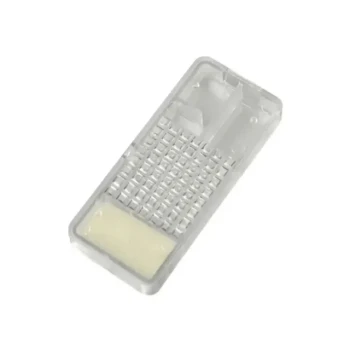
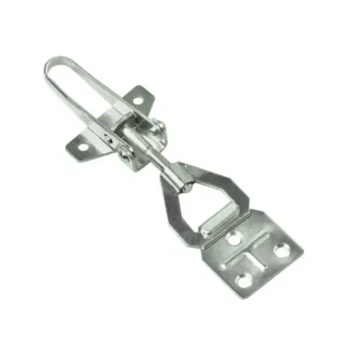
Industrial bee colony transport equipment and reinforced beehive structures function as the critical logistical backbone of mobile beekeeping, enabling the safe and efficient relocation of apiaries across vast distances. These specialized tools are essential for ensuring high colony survival rates during long-distance migration through varying altitudes and vegetation zones, while allowing beekeepers to dynamically align their operations with specific plant flowering periods.
By transforming beekeeping from a stationary practice into a mobile industrial model, this equipment allows operators to chase diverse nectar sources. This maximizes annual harvests and honey variety, offsetting high logistical costs by keeping colonies constantly productive.
Ensuring Colony Survival and Health
Protecting Against Environmental Stress
The primary role of reinforced beehive structures is to shield the colony during transit. As apiaries move through different altitudes and vegetation zones, they encounter shifting weather patterns and physical vibrations.
Maintaining Structural Integrity
Standardized, reinforced hives—often mass-produced using automated manufacturing—provide high consistency and weather resistance. This durability ensures the physical hive does not degrade during frequent loading and unloading, preserving a stable environment for the bees inside.
Reducing Transition Trauma
Specialized transport equipment is designed to minimize the physical shock to the colony. By ensuring a smooth journey, the equipment helps maintain the survival rate of the bees, ensuring they arrive at the new location healthy and ready to work.
Maximizing Yield Through Mobility
Aligning with Flowering Periods
The core economic advantage of mobile beekeeping is the ability to follow the bloom. Transport equipment allows beekeepers to move apiaries precisely when and where plants are flowering.
Increasing Harvest Frequency
By accessing diverse nectar resources throughout the year rather than relying on a single location, beekeepers can significantly increase the number of annual harvests. This dynamic movement transforms the operation from a seasonal activity into a continuous production cycle.
Diversifying Honey Products
Access to different vegetation zones enables the production of a wider variety of honey types. This allows operations to cater to specific market demands for unique or single-source varietals that would be impossible to produce in a stationary apiary.
Operational Efficiency and Scalability
Shortening Transition Times
Time is a critical resource in mobile beekeeping. Efficient transport and handling equipment reduce the downtime between locations, ensuring that bees can quickly begin foraging upon arrival at a new nectar source.
Balancing Labor and Scale
Successful mobility requires matching the number of colonies with available labor and mechanical loading tools. Specialized platforms and trailers streamline the loading process—often performed at night—allowing fewer workers to manage larger numbers of hives effectively.
Standardizing for Expansion
Automated manufacturing of reinforced hives reduces expansion costs for commercial apiaries. By providing a standardized material foundation, these tools facilitate the transition from traditional methods to modern, scalable industrial models.
Understanding the Operational Trade-offs
High Capital Investment
Transitioning to mobile beekeeping requires significant upfront investment in specialized vehicles, trailers, and reinforced hive inventory. This financial barrier is much higher than that of traditional, stationary beekeeping.
The Utilization Imperative
To offset these high transportation and equipment costs, the equipment must be utilized to its maximum potential. Mobile beekeeping is only economically viable if the colonies are moved frequently enough to capture significantly higher yields than stationary hives.
Making the Right Choice for Your Operation
To determine the right level of investment in transport and hive infrastructure, consider your specific operational goals:
- If your primary focus is maximizing volume: Prioritize high-capacity transport vehicles that allow you to move the maximum number of hives to the most productive nectar flows.
- If your primary focus is colony longevity: Invest heavily in reinforced, weather-resistant hive structures to minimize stress and mortality rates during frequent migrations.
- If your primary focus is rapid scalability: Focus on automated manufacturing compatibility to ensure your hive inventory is standardized, consistent, and easy to replace as you grow.
The synergy between robust hive structures and efficient transport logistics is the defining factor that allows modern beekeepers to turn geographical challenges into production opportunities.
Summary Table:
| Key Component | Primary Role | Core Benefit to Apiary |
|---|---|---|
| Reinforced Hives | Structural integrity & weather resistance | Reduced colony stress and higher survival rates during transit |
| Transport Equipment | Efficient relocation across vegetation zones | Ability to follow diverse nectar flows and increase harvest frequency |
| Automated Manufacturing | Standardization of hive components | Lower expansion costs and seamless integration with loading machinery |
| Specialized Trailers | Vibration reduction & rapid loading | Shorter transition times and minimized labor requirements |
Scale Your Apiary with HONESTBEE’s Professional Solutions
At HONESTBEE, we specialize in empowering commercial apiaries and distributors with the industrial-grade tools needed to succeed in modern mobile beekeeping. Whether you require reinforced beehive structures to withstand long-distance transit or automated hive-making and honey-filling machinery to scale your production, we provide a comprehensive wholesale catalog tailored to your needs.
From high-durability hardware to honey-themed cultural merchandise, our portfolio covers the full spectrum of industry consumables. Contact us today to optimize your operation and see how our global supply chain can reduce your costs while maximizing your annual yields.
References
- Fernanda Baena‐Díaz, Luciana Porter‐Bolland. Apis mellifera en México: producción de miel, flora melífera y aspectos de polinización. Revisión. DOI: 10.22319/rmcp.v13i2.5960
This article is also based on technical information from HonestBee Knowledge Base .
Related Products
- Plastic Transporting Bee Packages and Nuc Boxes for Beekeeping
- Durable Plastic Interlocking Hive Connector for Beekeeping
- Portable Queen Bee Incubator with 12V Car Adapter for Safe Transport
- Professional Queen Bee Introduction and Transport Cage
- High-Efficiency Pneumatic Bee Hive Making Machine for Rapid Box Assembly
People Also Ask
- What role do bee package boxes play in the commercial transport and expansion of honeybee colonies? - Logistic Essentials
- What are beekeeping boxes called? A Guide to Hive Bodies and Box Types
- How do standardized bee packages serve as a recovery mechanism for commercial beekeeping? Ensure Business Continuity
- What is the commercial value of using standardized bee packages? Drive Scalability in Large-Scale Apiaries
- Why is the timely introduction of high-quality bee packages critical? Save Your Apiary from Asian Hornet Invasions