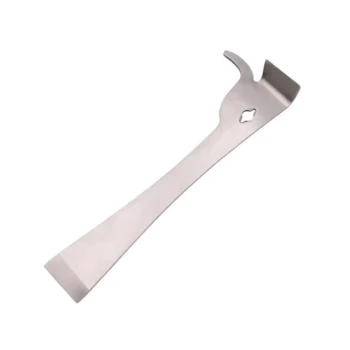
Safe operation of a hive tool relies on a combination of personal protective equipment and disciplined handling techniques. You must always wear appropriate gear—such as a bee suit, gloves, and a veil—to prevent stings, while simultaneously maintaining situational awareness of the tool's sharp edges to avoid physical injury.
Core Takeaway: While protective gear shields you from the bees, your technique shields you from the tool itself. The most frequent hazards are cuts from slipping blades and the spread of disease between colonies; prevent these by minding your hand placement and sanitizing your equipment.
protecting Yourself: Gear and Handling
Prioritize Personal Protective Equipment (PPE)
The foundation of safety is a barrier between you and the colony. Always wear a full bee suit, leather gloves, and a veil.
This gear is non-negotiable. It allows you to focus on handling the tool precisely without the distraction or fear of being stung.
Master Safe Hand Placement
Hive tools must be sharp to cut through propolis and wax. Consequently, never position your free hand in the path of the tool.
If the tool slips while you are scraping frames or boxes, it can cause severe cuts. Always apply force away from your body and your other hand.
Assess Colony Temperament First
Before applying the tool to the hive, pause to observe the entrance. Look for signs of defensiveness, such as loud buzzing or aggressive darting.
If the colony appears agitated, approach with extreme caution. Your usage of the tool should be adjusted—slower and gentler—to match the mood of the bees.
Protecting the Colony: Hygiene and Stress Management
Prevent Pathogen Transmission
A hive tool can act as a vector for disease. To ensure the safety of your apiary, clean the tool thoroughly before moving to a different hive.
Scrape off debris and propolis after every use. Wash the tool with warm soapy water and dry it completely to prevent the spread of pathogens between colonies.
Minimize Colony Disruption
Safety extends to the stress levels of the bees. Use the hive tool gently when prying apart boxes or lifting frames.
Rough handling triggers defensive behavior. By minimizing vibration and disruption, you keep the colony calmer, which in turn makes the environment safer for you.
Common Pitfalls to Avoid
The Danger of Dull Tools
It is a misconception that a dull tool is safer. A tool that isn't sharp requires excessive force to pry or scrape.
Using too much force increases the likelihood of the tool slipping, which is the leading cause of accidental cuts. Keep your tool maintained and sharp to ensure controlled movements.
Neglecting Tool Maintenance
Failing to dry your tool after cleaning leads to rust and degradation. A compromised tool is difficult to use effectively.
Ensure you have a system to avoid losing the tool in the field, as searching for lost equipment often leads to rushing and unsafe shortcuts.
Making the Right Choice for Your Goal
- If your primary focus is personal physical safety: Prioritize "scraping away" from your body and ensuring your leather gloves provide adequate grip on the metal handle.
- If your primary focus is apiary health: rigorous sanitation of the hive tool between every single hive is the most critical step you can take.
Treat your hive tool with the same respect you give a knife; accurate handling protects both the beekeeper and the bees.
Summary Table:
| Safety Category | Key Precaution | Benefit/Goal |
|---|---|---|
| Personal Gear | Wear full bee suit, gloves, and veil | Protection against stings and improved focus |
| Handling Technique | Always scrape away from the body/hands | Prevents deep cuts and injuries from tool slips |
| Tool Condition | Keep blades sharp and rust-free | Reduces force needed, ensuring controlled movements |
| Hygiene | Sanitize tool between different hives | Prevents the transmission of pathogens and disease |
| Bee Management | Minimize vibrations and rough prying | Keeps colony calm and reduces defensive behavior |
Elevate Your Apiary Operations with HONESTBEE
At HONESTBEE, we understand that the right tools are the foundation of a safe and productive apiary. As a premier provider for commercial apiaries and distributors, we offer a comprehensive wholesale range designed to meet every professional need. From precision-engineered hive tools and protective gear to industrial-grade hive-making and honey-filling machinery, our portfolio covers the full spectrum of beekeeping hardware and essential consumables.
Why partner with HONESTBEE?
- Comprehensive Wholesale Offering: A one-stop shop for tools, machinery, and honey-themed merchandise.
- Built for Professionals: High-durability equipment designed to withstand the rigors of commercial use.
- Industry Expertise: We support your growth with reliable supply chains and specialized hardware.
Ensure your team has the best equipment to work safely and efficiently. Contact us today to explore our wholesale catalog and tailored solutions!
Related Products
- Professional Multi-Function Stainless Steel Hive Tool
- Professional Stainless Steel Pry-Bar Hive Tool
- HONESTBEE Professional Long Handled Hive Tool with Precision Cutting Blade
- HONESTBEE Premium Italian Style Hive Tool with Hardwood Handle
- Ergonomic Plastic Frame Spacer Tool for Rapid Hive Management Beekeeping
People Also Ask
- Why are professional hive tools considered indispensable? Master Beekeeping Maintenance with Precision Leverage
- What is the role of professional hive tools in routine apiary maintenance? Expert Tips for Hive Health and Longevity
- What are the benefits of a multi-functional hive tool? Streamline Your Apiary Workflow with One Tool
- What advantages do multi-functional hive tools offer? Maximize Your Apiary Efficiency and Workflow
- What are the common construction features of hive tools? Key Insights for Superior Beekeeping Efficiency