Use sterile, disposable coring tools and a standardized chain-of-custody protocol. For bee bread analysis, collect cores directly from the center of individual honeycomb cells using sterile polyethylene pipette tips or clean, prepackaged sampling straws. Take one core per cell from 5–10 cells across multiple frames, preserve each sample inside the coring device where practical, label it completely, and ship it rapidly to the analytical laboratory.
Core takeaway: Representative sampling and contamination control are as important as the laboratory analysis itself. Use separate, lab-approved handling and transport instructions for fungicide-residue testing and fungal-culture work—especially because samples intended for live fungal enumeration should not be frozen.
Select the Right Sampling Tools
Sterile disposable coring tips
Sterile polyethylene pipette tips are suitable for extracting a small bee bread core from the center of a cell. Their disposable design reduces carryover between colonies, frames, and cells.
Use a new sterile tip for each sampling point, or follow the laboratory’s validated decontamination procedure if reusable equipment is specifically required.
Clean sampling straws
Clean, prepackaged sampling straws can provide a similar coring function. The straw should be sufficiently narrow to enter the cell without unnecessarily damaging the surrounding wax structure.
The sample should remain contained within the straw during handling whenever possible. This helps limit contamination from beeswax, debris, tools, and neighboring cells.
High-purity laboratory consumables
Use contamination-controlled consumables and containers supplied or approved by the testing laboratory. This is particularly important for fungicide-residue analysis, where background contamination can interfere with chemical extraction and measurement.
Do not assume that any plastic bag, foil, tube, or container is suitable for every analyte. Confirm the required material with the laboratory before sampling.
Use a Consistent Collection Protocol
Sample from the center of the cell
Insert the sterile coring tool directly into the center of a bee bread cell. This targets the stored fermented pollen rather than the surrounding wax.
Avoid scraping across the comb surface or collecting excessive wax fragments. Preserving the physical integrity of the frame also helps maintain sample purity and reduces disruption to the colony.
Collect across multiple cells
Collect one core per cell from approximately 5–10 cells. Sampling several cells is more representative than relying on a single location within the comb.
Where the study design requires colony-level interpretation, collect from multiple frames within the same hive. Record the exact frame and cell-area locations rather than treating the frame as a uniform sample.
Sample multiple frames and colonies consistently
Use the same number of frames, cells, and sampling locations for each colony whenever possible. Consistency improves comparisons between colonies, apiary sites, treatment groups, and sampling dates.
If the laboratory requests a composite sample, combine material only according to its instructions. Otherwise, retain the cores as separate, traceable samples so unusual fungal or residue results can be linked to a specific frame or cell area.
Maintain Sample Identity and Traceability
Record essential field information
Each sample label should include, at minimum:
- Apiary or site identification
- Collection date
- Colony identification number
- Frame number or location
- Sampling area or cell coordinates
- Relevant treatment history
- Sampler identification, where required by the laboratory
Treatment history is especially important when investigating fungicide residues or changes in colony fungal levels.
Keep samples physically separated
Prevent contact between samples from different colonies, frames, or apiaries. Use individually identified containers or sealed sample units, and change gloves or clean handling surfaces when moving between colonies.
The objective is to prevent both cross-contamination and loss of provenance. A chemically clean sample that cannot be linked to its colony or frame has limited diagnostic value.
Document the chain of custody
Record when samples were collected, packaged, dispatched, and received. Include the shipping method and any temperature or handling observations requested by the laboratory.
For commercial apiaries and testing programs, standardized labels, preprinted submission forms, and laboratory-compatible packaging can significantly reduce processing delays.
Transport Samples According to the Test
Samples for fungal-level or culture-based analysis
Do not freeze samples intended for live fungal enumeration or culture-based testing unless the receiving laboratory explicitly directs otherwise. Freezing can reduce the viability of some fungi and alter the microbial profile.
Ship these samples rapidly, preferably by an overnight service, directly to the diagnostic laboratory. Follow the laboratory’s instructions for acceptable temperature control and packaging during transit.
Samples for fungicide-residue analysis
Residue testing has different preservation requirements from live fungal culture. Some laboratories may require chilled or frozen shipment, while others may specify a different procedure based on the target compounds and analytical method.
Therefore, obtain the residue laboratory’s written instructions before collection. If the same bee bread is being tested for both fungicide residues and live fungi, discuss whether the sample should be divided into separate, clearly labeled portions at collection.
Avoid unnecessary delays
Extended storage before shipment can change microbial composition and may affect the reliability of both biological and chemical results. Plan collection around the laboratory’s receiving schedule rather than sampling first and determining shipping arrangements later.
Design the Protocol Around the Analytical Objective
For fungicide-residue screening
Prioritize contamination control, accurate site and treatment records, and laboratory-approved sample containers. Avoid tools, packaging, or surfaces that could introduce chemical residues or interfere with extraction.
A consistent multi-cell and multi-frame design provides a stronger basis for comparing residue patterns within and between colonies.
For fungal colony enumeration
Prioritize sterility, sample integrity, and preservation of viable organisms. Use sterile disposable coring tools, minimize handling, and ship promptly without freezing unless the laboratory provides a validated alternative.
The sampling plan should remain consistent across colonies so differences in fungal levels are not caused by different numbers of cells or frames being sampled.
For combined investigations
Coordinate the protocol with both analytical methods before entering the apiary. Chemical residue testing and fungal culturing do not necessarily require identical containers, temperatures, or holding times.
A laboratory-approved split-sample plan is usually more reliable than trying to force one preservation method to serve both objectives.
Understanding the Trade-offs
Representativeness versus sampling effort
A single cell is quick to sample but may not reflect the colony’s broader condition. Sampling 5–10 cells across several frames requires more labor but provides a more defensible representation of bee bread variability.
For distributors and commercial beekeepers, standardized kits can help make this process repeatable across crews, apiaries, and sampling campaigns.
Sample purity versus frame preservation
Aggressive scraping can collect more material but also introduces wax fragments and damages the comb. Controlled coring removes the target material more precisely and protects the surrounding structure.
The goal is not simply to obtain a larger quantity. It is to obtain a traceable, uncontaminated sample that matches the laboratory’s required amount.
Convenience versus fungal viability
Freezing may appear to simplify storage and shipping, but it is unsuitable for culture-based fungal analysis unless validated by the receiving laboratory. Rapid delivery is the safer default for preserving viable fungal communities.
Generic supplies versus validated consumables
Ordinary straws, bags, and pipette tips may not meet analytical requirements. Products should be selected for sterility, chemical cleanliness, compatibility with the target assay, and secure sample containment.
Common Pitfalls to Avoid
Using one tool across multiple samples
A reused coring tool can transfer bee bread, fungi, fungicide residues, or wax between sampling points. Disposable tools are preferred for minimizing this risk.
Omitting frame coordinates
A label that says only “Hive 4” is insufficient for detailed diagnosis. Record the frame and sampling location so results can be interpreted against the colony’s physical layout.
Freezing all samples automatically
Do not apply a generic freezer protocol to samples intended for fungal culture. Confirm preservation requirements separately for microbiological and residue analyses.
Shipping without laboratory confirmation
Analytical laboratories may specify sample quantity, container type, temperature, packaging, and maximum transit time. Confirm these requirements before collection to avoid rejected or compromised samples.
How to Apply This to Your Project
Choose the sampling and fulfillment package according to the analytical objective and the scale of the apiary operation.
- If your primary focus is fungicide-residue analysis: Use sterile, chemically clean coring tools and laboratory-approved containers, and confirm the laboratory’s required preservation and shipping conditions before sampling.
- If your primary focus is fungal colony enumeration: Use disposable sterile tips or clean sampling straws, collect one core per cell across 5–10 cells on multiple frames, avoid freezing, and ship rapidly for culture-based testing.
- If your primary focus is both residues and fungal levels: Arrange a laboratory-approved split-sample protocol so each portion receives the preservation and packaging required for its specific test.
- If your primary focus is repeatable commercial operations: Standardize the tools, labels, frame-location records, packaging, and courier workflow across every colony and sampling event.
A disciplined sampling protocol turns bee bread from an informal hive material into a reliable, traceable sample for residue and fungal assessment.
Summary Table:
| Aspect | Recommended Approach | Key Considerations |
|---|---|---|
| Tools | Sterile disposable coring tips (polyethylene), clean sampling straws, or high-purity lab consumables. | Use new sterile tip per sample; ensure chemical cleanliness for residue analysis. |
| Sampling method | Insert coring tool into center of cell, collect one core per cell from 5–10 cells across multiple frames. | Avoid scraping wax; record frame and cell coordinates for traceability. |
| Sample handling | Keep samples in coring device or clean containers; label with apiary ID, date, colony, frame, etc. | Prevent cross-contamination; maintain chain of custody. |
| Transport | For fungal culture: ship overnight, do not freeze unless lab says so. For residue analysis: follow lab's instructions, may need chilled/frozen. | Confirm with lab before sampling; avoid delays. |
| Protocol consistency | Use same number of frames/cells for all colonies; consider composite samples only if lab requests. | Ensures comparability and reliable results. |
Ready to streamline your bee bread sampling and get accurate results for your apiary? At HONESTBEE, we supply high-quality, sterile sampling tools and consumables, along with expert guidance to optimize your testing protocols. Our comprehensive portfolio includes specialized equipment for commercial beekeepers and distributors. Whether you need reliable lab supplies or full-scale beekeeping equipment, we offer fast delivery and dedicated support. Contact us today to discuss your needs and discover how we can enhance your testing efficiency and operational success!
Related Products
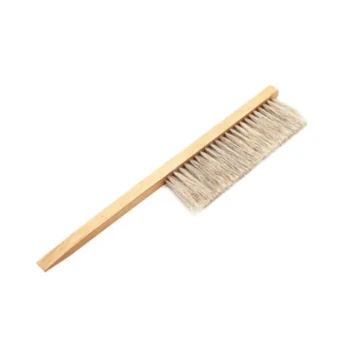
- Wooden Bee Brush with Double-Row Horsehair Bristles
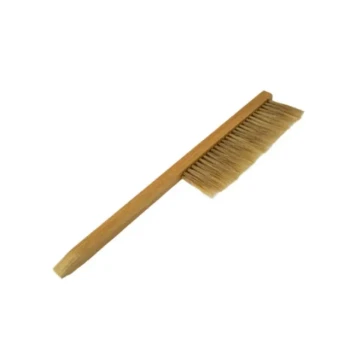
- Classic Wooden Bee Brush with Double-Row Boar Bristles
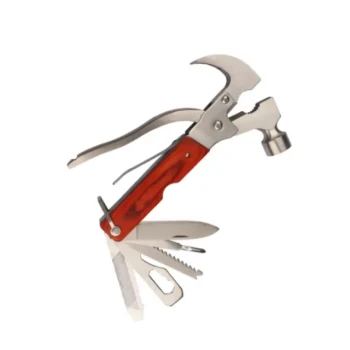
- HONESTBEE 15-in-1 Beekeeper Multi-Tool with Hammer and Pliers for Beekeeping
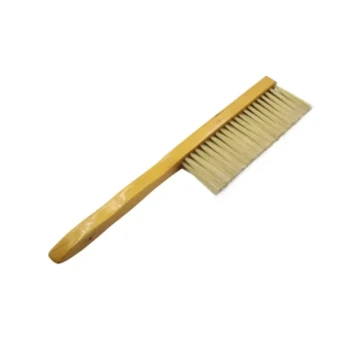
- Wooden Bee Brush with Triple Row Artificial Fiber for Beekeeping
- Ergonomic Plastic Frame Spacer Tool for Rapid Hive Management Beekeeping
People Also Ask
- Why is a bee brush necessary when extracting honeybee hive frames that contain larvae? Protect Your Brood and Colony
- What is the correct way to use a bee brush and what actions should be avoided? Master Gentle Hive Management
- What are the specific functions of the bee brush and the sealed sampling bottle? Optimize Your Parasite Sampling.
- What is a bee brush and what is it used for? Master Precision Bee Removal with Gentle Sweeping Techniques
- What is a bee brush used for in beekeeping? Essential Tool for Safe Hive Inspections & Honey Harvesting