Commercial apiaries should use autumn and winter to inspect, protect, repair, sanitize, and restock every hive asset before spring operations begin. Priorities include protecting stored comb from wax moths, installing mouse guards and other winter hardware, weatherproofing and securing active hives, rendering beeswax, repairing boxes and frames, and auditing inventory for replacement components. Completing this work during the off-season reduces spring delays and helps ensure sufficient equipment for colony expansion, swarm management, and honey production.
Autumn protects equipment already in service; winter creates the opportunity to restore, sanitize, manufacture, and procure the equipment needed for the next production cycle.
Protect Active Hives Before Severe Weather
Inspect hive bodies and stands
Check wooden hive bodies, roofs, floors, and stands for cracks, rot, loose joints, water ingress, and other structural weaknesses. Hive stands should rest on firm, stable ground and elevate equipment away from moisture and pest pressure.
Any damaged or unstable component should be repaired or replaced before prolonged cold weather arrives. A hive that is structurally sound is easier to weatherproof and less likely to expose the colony to drafts or water damage.
Install mouse guards and entrance reducers
Fit entrance mouse guards or reducers in autumn to restrict rodent access while maintaining suitable ventilation. These components protect stored comb, hive materials, and wintering colonies from damage caused by mice.
The opening should remain appropriate for the colony and local conditions. Excessive restriction can interfere with ventilation and bee movement, so hardware should be installed carefully rather than treated as a universal setting.
Add top insulation where appropriate
Install top insulation above the crown board or inner cover in late autumn when local winter conditions justify additional heat retention. The purpose is to reduce heat loss above the brood nest without blocking necessary airflow.
Insulation should be used with adequate ventilation and a watertight roof. Trapping moisture inside the hive can create problems that are as damaging as cold temperatures.
Secure hives against wind
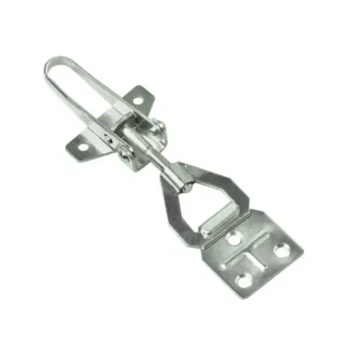
Use heavy-duty ratchet straps to bind the hive body, roof, and stand together. In exposed apiaries or during severe storms, screw-down ground ties can provide additional anchoring, while shallow roofs or nuc boxes may require weights such as stones or bricks.
Securing hardware helps prevent component displacement, roof loss, and the opening of gaps that expose the winter cluster to chilling drafts and precipitation.
Protect Stored Comb and Hive Components
Treat comb against wax moth damage
Inspect stored hive bodies and comb frames for wax moth eggs, larvae, webbing, tunneling, and frass. Brood-reared drawn comb deserves particular attention because it is especially attractive to wax moths.
Store vulnerable drawn comb in suitable freezer equipment or use an appropriate fumigation system according to product instructions and applicable safety requirements. Do not return infested comb to active colonies without first addressing the infestation.
Inspect frames and foundation
Review stored frames for broken top bars, loose wiring, damaged grooves, and warped or missing foundation sheets. Separate repairable frames from those that are uneconomical to restore.
A commercial operation should standardize frame specifications and maintain enough replacement foundation to prevent assembly work from becoming a spring bottleneck.
Render recoverable beeswax
Winter is an efficient period for rendering beeswax from cappings, damaged comb, and other recoverable material. Rendering reduces waste and creates usable wax for foundation, baiting, or other approved apiary applications.
Separate clean cappings wax from darker or contaminated material where product quality matters. The process should also remove debris before wax is stored or sent for further use.
Sanitize and Repair Equipment During the Off-Season
Repair boxes, floors, roofs, and frames
Repair damaged wooden hive bodies and frames before the spring workload increases. Replace weak joints, broken components, and severely warped parts rather than returning unreliable equipment to service.
Commercial apiaries can improve consistency by using hive assembly jigs, frame-making equipment, and standardized repair tools. These systems support repeatable output when large numbers of boxes and frames must be prepared.
Sanitize reusable equipment
Use the dormant season to establish a sanitation workflow for reusable hive assets. Comb frames and fabric warming cushions may require suitable acetic acid vapor treatment, while compatible structural components made from wood or metal may be treated with controlled thermal methods.
Sanitation procedures must match the material and the disease risk. Chemical vapors and flame tools require strict adherence to safety procedures, ventilation requirements, and manufacturer guidance.
Separate serviceable and non-serviceable assets
Create clear categories for equipment that is ready for use, requires repair, requires sanitation, or should be discarded. This prevents questionable boxes and frames from being mixed with production-ready inventory.
A simple asset-status system can make spring deployment faster and help managers identify recurring failure patterns across the operation.
Prepare Inventory for Spring Demand
Audit current stock
Count usable hive bodies, brood boxes, honey supers, frames, foundation sheets, roofs, floors, entrance hardware, stands, straps, feeders, and repair materials. Compare available stock with the expected number of colonies, replacement rates, expansion plans, and honey-production requirements.
Inventory should be reviewed before supplier lead times become critical. Off-season ordering gives commercial buyers more time to consolidate orders and resolve specification or delivery issues.
Pre-order essential replacement equipment
Common spring requirements include replacement frames, foundation sheets, queen-rearing nucleus hives, brood boxes, and honey supers. Order these items early enough to allow for manufacturing, shipping, inspection, and assembly.
A dependable supplier should be able to support one-stop sourcing across standard hive components, specialized equipment, replacement hardware, and maintenance tools. Rapid response and efficient fulfillment are particularly valuable when an inventory shortfall could interrupt seasonal operations.
Build a reserve for peak activity
Do not plan inventory only around the number of hives currently in the yard. Maintain a practical reserve for breakage, swarm management, colony increases, honey-flow surges, and unexpected losses.
The correct reserve depends on the operation’s scale and replacement history, but the principle is straightforward: spring equipment should be available before it is urgently needed.
Maintain the Apiary Environment
Monitor colonies without excessive disturbance
Winter colonies require less intervention than colonies during the active season. Conduct essential checks for hive positioning, storm damage, pest pressure, and other visible problems while avoiding unnecessary disturbance.
Routine inspection frequency should reflect local weather, colony condition, and operational risk. Daily opening of hives is generally inappropriate during winter because repeated disturbance can stress the colony and increase heat loss.
Keep grounds clean and accessible
Remove debris, vegetation, and unused equipment from around hive stands. Regularly maintained apiary grounds improve access, reduce pest harborage, and make inspections and emergency repairs safer.
Cleaning the site also supports faster equipment movement when supers, brood boxes, or replacement components must be deployed during spring expansion.
Address major pest risks
Use appropriate commercial traps to reduce yellowjacket and small hive beetle pressure where these pests are a known local problem. In areas with bear activity, a properly designed solar-powered electric perimeter fence can provide long-term protection for the apiary.
Pest-control hardware should be selected for the actual threat, site conditions, and applicable regulations. No single accessory replaces sound colony management and secure apiary design.
Understanding the Trade-offs
Balance insulation with ventilation
Adding insulation may help retain heat, but excessive sealing can trap condensation. Winter protection should preserve a dry, stable hive environment rather than simply maximizing insulation.
Inspect roofs, covers, and ventilation paths together. Weatherproofing is most effective when water is excluded and moisture has a controlled route out of the hive.
Balance inspections with colony stability
Frequent checks can identify problems early, but opening hives in cold or windy conditions can disrupt the winter cluster. Use external observations and targeted inspections whenever possible.
The objective is not maximum inspection frequency; it is sufficient oversight with minimum unnecessary disturbance.
Balance repair with replacement
Repairing boxes and frames can reduce costs and preserve useful assets, but labor-intensive repairs may not be economical for severely damaged equipment. A consistent replacement threshold helps commercial operations control both labor and material costs.
Damaged equipment that compromises strength, hygiene, or weather resistance should not be returned to production merely because it is technically repairable.
Balance bulk purchasing with cash flow
Buying replacement equipment early and in larger quantities may improve availability and order efficiency. However, excessive stock ties up capital and creates storage requirements.
Use colony forecasts, historical breakage rates, and expected expansion to determine purchasing quantities. A responsive supplier can help fill urgent gaps without forcing every purchase to be made far in advance.
How to Apply This to Your Operation
Use autumn for protection and winter for restoration, sanitation, manufacturing, and procurement.
- If your primary focus is winter colony protection: Inspect hive structures, install mouse guards and suitable insulation, improve ventilation, and secure hives against wind and severe weather.
- If your primary focus is equipment longevity: Treat stored comb against wax moths, render recoverable beeswax, repair damaged boxes and frames, and separate serviceable assets from scrap.
- If your primary focus is spring readiness: Audit inventory early and order replacement frames, foundation, brood boxes, nucleus hives, honey supers, and essential hardware before seasonal demand peaks.
- If your primary focus is commercial efficiency: Standardize repair and sanitation workflows, use assembly equipment where appropriate, and consolidate sourcing through suppliers capable of rapid response and dependable fulfillment.
- If your primary focus is apiary security: Maintain firm hive stands, secure equipment with straps or ground ties, manage pest threats, and keep the surrounding grounds clean and accessible.
A disciplined off-season maintenance program turns winter downtime into reliable capacity for the next production season.
Summary Table:
| Area | Key Actions | Benefits |
|---|---|---|
| Active Hives | Inspect structures, install mouse guards, add insulation, secure against wind | Prevents damage and colony stress |
| Stored Comb | Treat wax moths, inspect frames, render beeswax | Protects valuable assets |
| Equipment | Repair and sanitize boxes/frames, separate serviceable from scrap | Ensures readiness |
| Inventory | Audit stock, pre-order supplies, build reserve | Avoids spring delays |
| Environment | Monitor colonies, keep grounds clean, manage pests | Maintains apiary health |
Prepare your apiary for winter with high-quality equipment from HONESTBEE. Our comprehensive wholesale supply includes hive-making machinery, honey-filling machines, and all essential beekeeping tools. With rapid response, dedicated service, and ultra-fast delivery, we ensure your operation stays ready for spring. Contact us today for a tailored quote and keep your hives thriving year-round. Get in touch!
Related Products
- Ergonomic Plastic Frame Spacer Tool for Rapid Hive Management Beekeeping
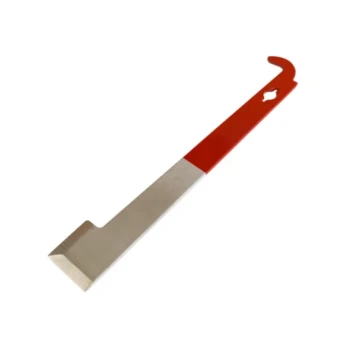
- Professional Stainless Steel J-Hook Hive Tool
- Stainless Steel J Hook Hive Tool for Beekeeping
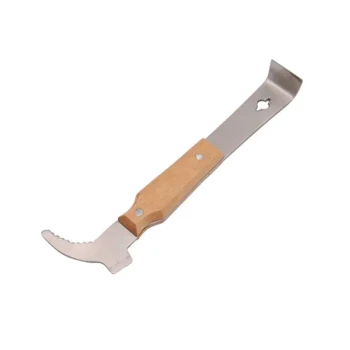
- HONESTBEE Professional Multi-Functional Hive Tool with Ergonomic Wood Handle
- Multi-Function Plier-Style Frame Grip Hive Tool
People Also Ask
- What specific challenges do beekeeping hive tools address during hive maintenance? Essential Solutions for Apiaries
- How do specialized beehive management tools assist in the routine maintenance of bee colonies? Boost Hive Efficiency
- How do specialized beehive management tools support high-purity honey production? Master Monofloral Isolation
- How do spring inspections for honeybee starvation symptoms guide apiary management? Optimize Colony Survival & Growth
- What are the approximate costs of basic beekeeping tools? Start Your Apiary for Under $85