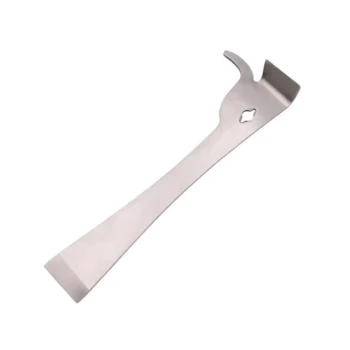
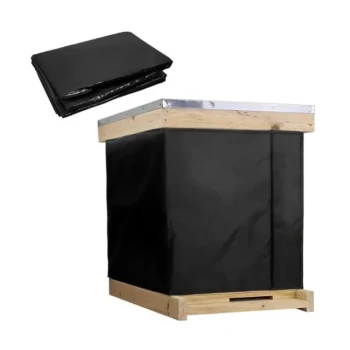
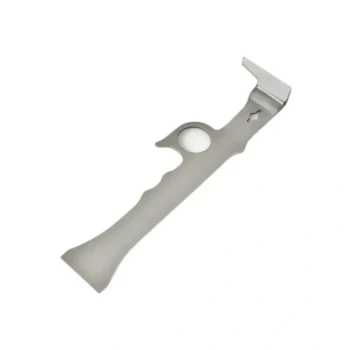
Winter is the apiary’s equipment-recovery and preparation season. Beekeepers should use the low-activity period to render beeswax, clean and sanitize stored equipment, repair or repaint hive parts, inspect frames, and build replacement boxes, supers, and frames. The essential tools range from a hive tool and bee brush to wax-rendering equipment, scrapers, assembly tools, replacement hardware, and protective storage supplies.
Winter maintenance protects equipment from deterioration and ensures that enough clean, functional brood boxes, frames, and honey supers are available for spring swarm management and honey production.
What Winter Hive Maintenance Should Achieve
Protect equipment from deterioration
Woodenware, bottom boards, covers, and frames should be checked for rot, cracks, loose joints, water damage, and excessive propolis or wax buildup. Damaged components should be repaired or removed from service before they compromise a colony during spring expansion.
Prepare for rapid spring deployment
Winter downtime should result in ready-to-use equipment, not merely an inventory of parts. Clean, repaired, assembled, and correctly stored boxes and frames allow distributors, commercial apiaries, and beekeepers to respond quickly to swarm control, colony splits, and incoming nectar flows.
Improve inventory control
An off-season audit should identify shortages of replacement frames, foundation sheets, hive bodies, supers, queen-rearing nucleus hives, feeders, and hardware. Early purchasing helps commercial operators coordinate supplier lead times and avoid spring shortages.
The Core Winter Maintenance Tasks
Render and reuse beeswax
Old comb and wax scraps should be collected and rendered to separate usable beeswax from debris. Clean wax can be used for candles, wax wraps, lip balms, or other products, while rendering also reduces waste and helps remove old, unsuitable comb from circulation.
Required tools and supplies:
- Wax melter, solar wax melter, or double-boiler rendering setup
- Filtering cloth or wax filters
- Heat-safe containers and molds
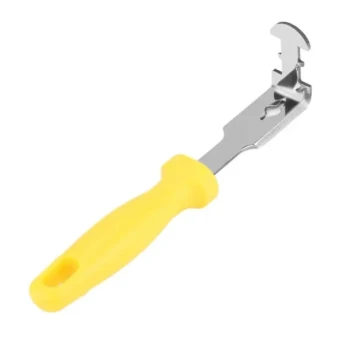
- Scraping tool or hive tool
- Protective gloves and heat-resistant handling equipment
Wax should be processed in a controlled area because hot wax can cause serious burns and presents a fire risk.
Scrape and clean hive components
Hive bodies, bottom boards, covers, frame rests, and other woodenware should be scraped free of excess propolis, burr comb, mud, and debris. Equipment must then be sanitized using the method appropriate for its material and stored dry.
Required tools and supplies:
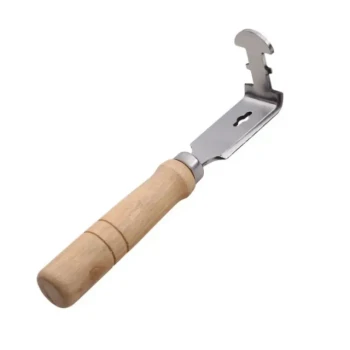
- Hive tool or dedicated hive scraper
- Stiff cleaning brush
- Appropriate sanitation supplies
- Drying racks or a well-ventilated storage area
- Labels or inventory tags for tracking cleaned equipment
Cleaning should not damage hive surfaces or leave residues that could affect bees. Equipment should be completely dry before storage or repainting.
Inspect, repair, and repaint woodenware
Hive boxes, bottom boards, and covers should be checked for structural weakness and water penetration. Loose joints, damaged edges, and deteriorated surfaces should be repaired, while sound woodenware can be scraped, cleaned, and repainted to extend its service life.
Required tools and supplies:
- Measuring and marking tools
- Hammer, screwdriver, drill, or other assembly tools
- Wood adhesive and replacement fasteners
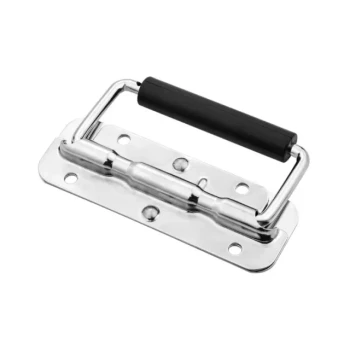
- Replacement handles, cleats, or other hive hardware
- Exterior-grade hive paint and application tools
- Sanding or surface-preparation tools
The hive lid deserves particular attention because it must remain rain-resistant and help manage moisture and temperature within the hive.
Inspect and prepare frames
Wooden and plastic frames should be inspected for breakage, distortion, excessive propolis, old comb, and insecure joints. Frames that remain serviceable should be cleaned and fitted with fresh comb foundation where necessary.
Required tools and supplies:
- Hive tool or frame scraper
- Bee brush
- Frame assembly jig, where used
- Foundation sheets
- Foundation insertion or fitting tools
- Replacement frame parts and fasteners
Uniformly prepared frames make spring assembly and supering more efficient, particularly for operations managing large equipment volumes.
Build replacement hive components
Winter is an appropriate time to construct new hive bodies, brood boxes, frames, and honey supers. Commercial apiaries may use hive-making machinery and assembly tools to produce components consistently and at scale.
Required tools and supplies:
- Hive-making or woodworking machinery
- Assembly benches or jigs
- Drills, drivers, hammers, and measuring tools
- Replacement nails, screws, handles, and frame hardware
- Wood adhesive and finishing materials
- Foundation sheets and frame wire or equivalent components, where applicable
Production should be checked for consistent dimensions. Poorly fitting boxes or frames can create management problems and reduce interchangeability across the apiary.
Sanitize and store feeders and auxiliary equipment
Feeders and other removable equipment should be cleaned thoroughly after autumn syrup or fondant use. They should be dried completely and stored in a clean, dry location so they can be redeployed quickly in early spring.
Required tools and supplies:
- Cleaning brushes and scrapers
- Appropriate sanitation products
- Drying racks or shelving
- Storage containers or covered racks
- Inventory labels
Feeders should be inspected for cracks, leaks, mold, and damaged fittings before being returned to service.
Inspect stored equipment for wax moth damage
Stored hive bodies, supers, and comb frames should be inspected periodically for wax moth activity and other damage. Affected equipment should be separated from clean inventory and managed according to the apiary’s approved storage and treatment procedures.
Required tools and supplies:
- Inspection light
- Hive tool or scraper
- Clean storage racks or containers
- Labels for separating affected equipment
- Approved wax moth control supplies, where required
Comb storage deserves particular attention because damage can spread through a poorly managed storage area.
Winter Tasks That Begin in Autumn
Fit mouseguards and entrance protection
Entrance reducers and metal mouseguards are normally installed before sustained winter conditions, during the autumn preparation period. They restrict rodent entry while preserving suitable ventilation and bee access.
Required tools and supplies:
- Entrance reducers
- Metal mouseguards or entrance guards
- Hive tool
- Fasteners or attachment hardware
During winter inspections, dead bees should be cleared from the entrance if they obstruct airflow or access. An old bee brush or a plastic hanger can often perform this task without disassembling the hive.
Secure hives against wind and moisture
Stacked hive bodies, supers, and covers should be checked to ensure they are firmly assembled and protected from heavy winter winds. Weather-resistant hive straps help secure the equipment to its stand.
The bottom board should be sound, and the lid should be rain-resistant and properly insulated. Top insulation above the crown board can help retain heat around the brood nest, but ventilation and moisture control must be considered together.
Required tools and supplies:
- Weather-resistant hive straps
- Top insulation
- Crown board
- Replacement bottom boards or covers
- Basic fastening and inspection tools
Review feeding equipment and winter stores
Feeders used for autumn supplementation should be removed once feeding ends unless the colony’s management plan specifically requires continued use. Winter store checks should be brief and should avoid unnecessary disturbance to the clustered colony.
Top feeders, fondant supplies, and other feeding components should be cleaned, assessed, and stored so they are available when needed.
Consider winter mite treatment separately
A winter varroa treatment may be conducted during a broodless cluster period, using an approved product and following the product label, local regulations, and the apiary’s treatment records. This is a colony-health operation rather than routine equipment maintenance, but it belongs in the seasonal winter work schedule.
Understanding the Trade-offs
Avoid excessive disturbance
Winter colonies should generally be left undisturbed, particularly during cold weather. Equipment work should focus on external checks and on surplus equipment stored away from the bees.
Do not confuse cleaning with sterilization
Scraping and sanitation improve equipment condition, but not every material or cleaning method is suitable for every component. Plastic frames, painted wood, feeders, and wax-processing tools may require different handling procedures.
Do not over-insulate without managing moisture
Insulation can help retain heat, but trapped condensation can damage equipment and harm colonies. A winter setup must balance heat retention, rain protection, and adequate ventilation.
Replace unsafe equipment rather than repeatedly repairing it
Repair is economical when the hive body or frame remains structurally sound. Rotting boxes, severely warped frames, and badly damaged covers create avoidable risks and are better replaced.
Plan purchasing around spring demand
A low purchase price does not compensate for inconsistent dimensions, weak hardware, delayed delivery, or incomplete orders. Commercial buyers should evaluate supplier reliability, product consistency, response time, and the ability to provide complete equipment packages.
Building a Winter Equipment Workflow
Separate active and surplus equipment
Keep equipment currently supporting colonies separate from cleaned, repaired, and available inventory. This reduces accidental deployment of damaged or untreated components.
Use a repair-and-release process
Each item can be inspected, cleaned, repaired, finished, and marked as ready for use. This approach gives commercial apiaries a clearer view of available stock than storing mixed-condition equipment in one location.
Standardize components where possible
Using compatible hive bodies, frames, foundation, covers, and hardware simplifies maintenance and improves interchangeability across colonies. It also makes bulk procurement and fulfillment more predictable.
Source the full equipment package
For distributors, wholesalers, and B2B resellers, a useful supply program should cover woodenware, frames, foundation, hive accessories, feeders, straps, mouseguards, replacement hardware, and maintenance tools. Consolidated sourcing can reduce ordering complexity and support faster spring replenishment.
Making the Right Choice for Your Goal
Winter maintenance is most effective when it combines practical repairs with a structured procurement and storage plan.
- If your primary focus is colony protection: Inspect covers, bottom boards, entrances, mouseguards, insulation, straps, and ventilation before and during winter.
- If your primary focus is spring readiness: Clean and prepare frames, fit fresh foundation, repair hive bodies, and assemble enough brood boxes and honey supers for expected expansion.
- If your primary focus is commercial efficiency: Standardize equipment, maintain an accurate inventory, and source complete product packages from suppliers that can provide reliable quality and rapid fulfillment.
- If your primary focus is equipment service life: Remove wax and propolis, sanitize feeders, repair damaged woodenware, repaint suitable surfaces, and store all equipment dry.
- If your primary focus is sustainable resource use: Render suitable old comb into usable beeswax while removing unsuitable comb from the production cycle.
A disciplined winter maintenance program turns seasonal downtime into dependable equipment availability, stronger operational control, and faster spring execution.
Summary Table:
| Task | Purpose | Key Tools/Supplies |
|---|---|---|
| Render beeswax | Recover usable wax, reduce waste | Wax melter, filters, heat-safe containers |
| Scrape & clean woodenware | Remove propolis, debris, sanitize | Hive tool, brushes, sanitation supplies |
| Inspect & repair woodenware | Fix rot, cracks, repaint | Hammer, drill, wood glue, paint |
| Prepare frames | Replace foundation, fix joints | Foundation sheets, assembly jig |
| Build new components | Replace old boxes/supers | Woodworking tools, nails, screws |
| Sanitize feeders & auxiliaries | Ensure clean, ready for spring | Brushes, storage containers |
| Check for wax moth damage | Prevent spread to clean equipment | Inspection light, clean storage |
Ready to streamline your winter maintenance? HONESTBEE offers a complete range of beekeeping tools, machinery, and equipment—from wax melters to hive assembly machinery—plus fast, reliable supply for commercial apiaries and distributors. With our one-stop sourcing, rapid response, and efficient order fulfillment, you can prepare for spring with confidence. Contact us today to discuss your needs!
Related Products
- Professional Multi-Function Stainless Steel Hive Tool
- Professional Stainless Steel Pry-Bar Hive Tool
- Professional Stainless Steel J-Hook Hive Tool
- Ergonomic Plastic Frame Spacer Tool for Rapid Hive Management Beekeeping
- HONESTBEE Classic Pry Bar Hive Tool with High Visibility Finish for Beekeeping
People Also Ask
- Why are professional hive tools considered indispensable? Master Beekeeping Maintenance with Precision Leverage
- What is the role of professional hive tools in routine apiary maintenance? Expert Tips for Hive Health and Longevity
- What are the benefits of a multi-functional hive tool? Streamline Your Apiary Workflow with One Tool
- What advantages do multi-functional hive tools offer? Maximize Your Apiary Efficiency and Workflow
- What are the common construction features of hive tools? Key Insights for Superior Beekeeping Efficiency