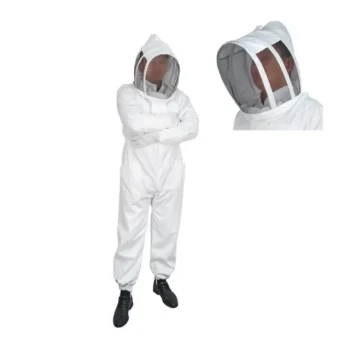
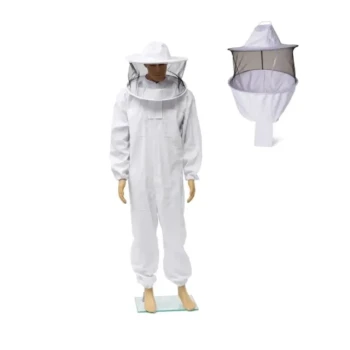
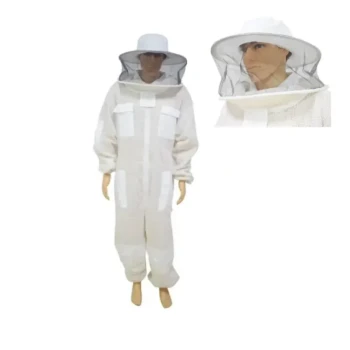
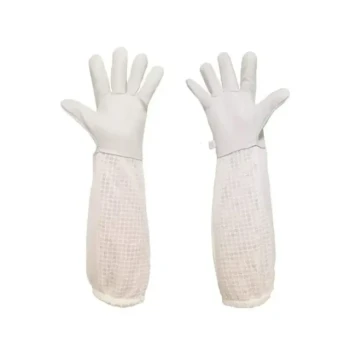
Sizing a beekeeping suit requires prioritizing a loose, protective fit over a tailored look. The general rule of thumb is to select a size larger than your standard everyday clothing. This ensures the suit remains loose enough to prevent stings from reaching your skin, even when you are bending or stretching.
The Core Principle: A bee suit works best when the fabric "floats" above your skin. If the material is pulled tight against your body, a bee’s stinger can penetrate the fabric and reach you. A loose fit creates a critical safety zone of air.
The Mechanics of a Proper Fit
To ensure safety and functionality, you must look beyond simple chart measurements and consider how the suit performs during active work.
The Necessity of Sizing Up
It is generally recommended to choose a suit one size larger than your standard clothing. You must account for the clothes you will wear underneath the suit.
If the suit fits perfectly over a t-shirt, it will likely be dangerously tight if you need to wear a sweater or thick jeans during cooler weather.
The "Bend Test"
The most vulnerable moment for a beekeeper is often when bending over a hive box. This action pulls fabric tight across the back and shoulders.
If your suit is sized exactly to your body measurements, bending removes the protective air gap. Sizing up provides extra fabric across the back, ensuring the material remains loose even when you are in a working posture.
Freedom of Movement
Beekeeping involves lifting heavy boxes and awkward reaching. A suit that is too fitted will restrict your range of motion.
You must be able to move your arms and legs freely without the fabric binding at the armpits or crotch.
Critical Seal Points
While the body of the suit should be loose, the openings must be the exact opposite.
Snug Extremities
Regardless of how large the suit is, the wrists and ankles must be tight. Ensure the suit features strong elastic or Velcro closures at these points.
If the sizing is too large at the extremities, gaps will form, allowing bees to crawl inside the suit.
Thumb Loops and Waistbands
When sizing, look for features that manage the excess fabric of a larger suit. Thumb loops are essential to prevent loose sleeves from riding up your arm while you work.
Similarly, an elasticized waistband helps gather the loose material at the torso, keeping the fit comfortable without sacrificing the protective bagginess.
Common Pitfalls to Avoid
Choosing the right size involves balancing protection with usability.
Avoid Excessive Bulk
While "loose" is the goal, the suit should not be cumbersome. If the suit is vastly oversized, the excess fabric can snag on hive tools or hive corners.
Excessively long pant legs can also create a tripping hazard, which is dangerous when carrying heavy frames.
Material Thickness Variables
Be aware that cotton suits rely heavily on the "air gap" for protection because stingers can penetrate the fabric.
Thicker, ventilated suits (often made of layers of mesh) have inherent thickness. While you still need a loose fit for movement, the sizing tolerance on a thick 3-layer suit is slightly more forgiving than on a thin cotton suit.
Making the Right Choice for Your Goal
Select your size based on your specific environment and the layers you intend to wear.
- If your primary focus is safety during active work: Choose a size that leaves ample fabric across the back when you touch your toes, preventing the "tight fabric" danger zone.
- If your primary focus is cold-weather beekeeping: aggressive sizing up is mandatory to accommodate heavy sweaters or coats without compromising the protective air gap.
Your safety depends on the suit acting as a barrier, not a second skin; when in doubt, choose the size that offers more room.
Summary Table:
| Factor | Sizing Requirement | Purpose |
|---|---|---|
| Overall Fit | 1-2 sizes larger than normal | Creates a protective air gap to prevent stings. |
| Back & Shoulders | Loose during 'Bend Test' | Prevents fabric from pulling tight against skin while working. |
| Wrists & Ankles | Snug (Elastic/Velcro) | Stops bees from crawling inside the suit openings. |
| Torso/Waist | Elasticized | Manages excess fabric to prevent snagging on equipment. |
| Limb Length | Roomy with Thumb Loops | Ensures coverage when reaching; prevents sleeves riding up. |
Scale Your Beekeeping Success with HONESTBEE
At HONESTBEE, we specialize in supporting commercial apiaries and distributors with high-quality, professional-grade protective gear and equipment. Whether you are looking for thick ventilated suits to ensure worker safety or advanced honey-filling machinery to optimize production, we provide the full spectrum of industry essentials.
Our Value to Your Business:
- Comprehensive Wholesale Range: From hive-making machines to honey-themed merchandise.
- Durable Protection: Gear designed for the rigors of commercial beekeeping.
- Reliable Supply Chain: We ensure your operations never miss a season.
Ready to upgrade your equipment or stock your distribution center?
Contact us today to explore our wholesale solutions!
Related Products
- Premium Cotton Beekeeper Suit with Reinforced Fencing Veil
- Professional Cotton Beekeeper Suit with Round Veil Design for Commercial Apiaries
- Professional Beekeeper Suit with Square Folding Cotton Veil
- Vented Beekeeping Jacket with Hood and Veil for Beekeepers
- White Cotton Beekeeping Jacket and Veil for Bee Keepers
People Also Ask
- What material and design specifications are recommended for a high-quality beekeeper suit? Top Gear Selection Guide
- How to Pre-treat Propolis Stains on Beekeeping Suits? Master Advanced Fabric Care and Soil Removal
- What features should be considered for sting protection in a beekeeping suit? Ensure Total Safety and Comfort
- What are the differences between full suits and jackets with veils in beekeeping? Choose Your Best Protection
- What features should be looked for in a beekeeping suit for maximum comfort? Prioritize Ventilation and Fit