To ensure the longevity and precision of your honey refractometer, you must strictly avoid cleaning the device with organic solvents such as gasoline, paint thinner, or benzene. These substances can cause severe, irreversible damage to the instrument's casing.
Furthermore, you should never use metal objects to apply honey to the prism, as even slight contact can scratch the delicate optical glass and ruin the device's accuracy.
The reliability of a refractometer relies on maintaining a pristine optical interface; chemical aggression destroys the housing, while physical abrasion compromises the light refraction necessary for accurate measurement.
Hazards to the Physical Structure
Organic Solvents
You must explicitly avoid harsh chemicals when cleaning the exterior or the prism.
Specifically, gasoline, paint thinner, and benzene are prohibited. These solvents attack the materials used in the casing, leading to structural degradation.
Metal Application Tools
The prism is the most critical and sensitive component of the refractometer.
Avoid using metal spoons, knives, or spatulas to place honey on the plate. Metal is harder than the optical glass and will leave permanent scratches, which distort light paths and result in erroneous readings.
Hazards to Measurement Accuracy
Debris and Impurities
While not a tool, specific substances within the honey itself should be avoided during testing.
Ensure the sample is free from propolis, wax, or other debris. The presence of these solid impurities creates physical barriers on the prism, leading to false readings regarding water content.
Air Bubbles
When closing the cover plate, you must avoid trapping air between the honey and the prism.
Air bubbles interfere with the refraction of light. To prevent this, gently wiggle the panel after application to force bubbles out and ensure a uniform thin layer.
Temperature Fluctuations
Avoid taking measurements in an environment where the temperature is unstable or significantly different from the device.
For accurate results, both the honey sample and the refractometer should be at ambient room temperature. Thermal shock or disparity can skew the refractive index, rendering the calibration invalid.
Common Pitfalls to Avoid
Stratified Samples
A common mistake is testing honey straight from a jar without preparation.
Avoid testing unmixed honey, as moisture content often varies within the same container. Always stir the honey thoroughly to ensure the small drop you test represents the entire batch.
Improper Cleaning Materials
While you must avoid solvents, you also cannot simply wipe the prism with a rough material.
Avoid abrasive towels or paper products. Use only a soft, damp cloth and lukewarm water to clean the prism between uses to prevent cross-contamination without scratching the surface.
Making the Right Choice for Your Goal
To maximize the utility of your refractometer, align your maintenance habits with your specific objectives:
- If your primary focus is Equipment Longevity: Strictly ban organic solvents and metal tools from your workstation to preserve the casing and optical glass.
- If your primary focus is Data Accuracy: Eliminate variables by removing debris from samples, ensuring temperature stability, and taking the average of multiple readings.
Treat the optical prism with the same care you would give a camera lens.
Summary Table:
| Hazard Category | Items to Avoid | Potential Impact |
|---|---|---|
| Cleaning Agents | Gasoline, paint thinner, benzene | Structural degradation and casing damage |
| Application Tools | Metal spoons, knives, spatulas | Scratches on the delicate optical prism |
| Sample Impurities | Propolis, wax, debris, air bubbles | Distorted light refraction and false readings |
| Environmental | Temperature fluctuations, unmixed honey | Measurement inaccuracy and invalid calibration |
| Cleaning Materials | Abrasive towels, rough paper products | Surface micro-scratches on glass |
Elevate Your Beekeeping Operations with HONESTBEE
Maintaining precision is vital for commercial apiaries and distributors. At HONESTBEE, we provide more than just expert advice; we offer a full spectrum of high-quality beekeeping tools, specialized honey-filling machinery, and essential consumables designed for the professional market.
Whether you are scaling your production with hive-making machines or seeking reliable wholesale equipment, our portfolio is built to ensure your success. Partner with us to secure the best-in-class hardware for your business.
Contact HONESTBEE Today for Wholesale Inquiries
Related Products
- Digital Honey Refractometer for Precision Measurement of Optimal Honey Quality
- Precision Honey Refractometer Instrument for Quality Assessment
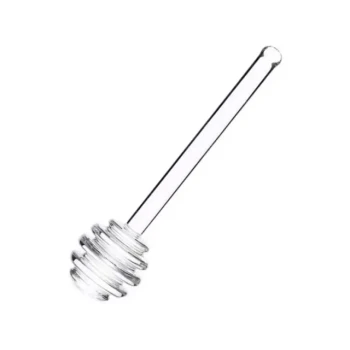
- Premium Heat-Resistant Glass Honey Dipper
- Professional Honey Filter with Tripod Support Stand
- Professional Stainless Steel Honey Filtering Machine with Water Bath Heating for Beekeeping
People Also Ask
- What role do high-precision refractometers play in determining the maturity and quality of honey? Ensure Honey Purity.
- Do the color and viscosity of honey affect its refractometer reading? Mastering Moisture Measurement Accuracy
- How do refractometers ensure technical precision when measuring honey moisture? Secure Quality and Prevent Fermentation
- What is the best way to store a honey refractometer? Preserve Accuracy and Extend Its Lifespan
- What is a honey refractometer? The Essential Tool for Perfect Honey Quality