Machined wood cylindrical hives technically improve upon natural hollow logs by introducing precise geometric standardization. By constructing the hive from uniform components—specifically twelve 10cm x 100cm planks—beekeepers gain the ability to stack, shade, and manage colonies with industrial efficiency while retaining the biologically preferred cylindrical interior.
The core technical leap is the transition from irregular natural shapes to modular precision. This allows apiaries to scale operations through uniform stacking and shading techniques without sacrificing the cylindrical nesting environment that bees naturally favor.
The Power of Geometric Standardization
Eliminating Irregularity
Natural hollow logs are inherently variable in wall thickness, diameter, and curvature. Machined wood hives replace this unpredictability with strict specifications.
By utilizing twelve standardized planks to form the cylinder, every hive possesses identical dimensions. This consistency removes the "guesswork" regarding internal volume, ensuring the space is always conducive to nest building.
Optimized for Stacking
The irregular shapes of natural logs make vertical integration impossible. Machined hives are designed with a precise geometry that facilitates stable stacking.
This technical improvement allows apiarists to maximize vertical space, significantly increasing the density of hives possible within a single location. This is a critical factor for moving from subsistence beekeeping to commercial scales.
Improved Environmental Control
Standardized dimensions allow for the implementation of uniform shading systems. Protecting colonies from thermal stress is far simpler with machined hives.
Because the hives align perfectly when stacked or arranged, beekeepers can apply mass shading solutions rather than customizing protection for each individual, oddly shaped log.
Industrial Management Capabilities
Bridging Nature and Industry
The primary technical advantage is the hybrid nature of the design. It retains the biological benefits of the hollow log while permitting industrial management.
Bees prefer a cylindrical interior for natural comb construction. Machined hives respect this biological imperative but encase it in a structure that fits modern logistical workflows.
Scalability of Operations
Natural log hives restrict beekeeping to a "gathering" model due to the difficulty of inspection and handling. The uniformity of machined hives enables a transition to large-scale management.
While standard rectangular hives are known for movable frames, the machined cylindrical hive offers a similar leap in efficiency compared to logs by allowing for standardized equipment and predictable handling procedures.
Understanding the Trade-offs
Manufacturing Complexity vs. Availability
The shift to machined hives introduces a dependency on processing. You lose the "found" resource advantage of natural logs.
While hollow logs can often be sourced from existing forestry waste at little cost, machined hives require precise lumber (10cm x 100cm planks) and labor for assembly. The technical improvement in management comes at the cost of increased initial material and fabrication effort.
The Limits of Standardization
While an improvement over logs, machined cylindrical hives may still lack the full ecosystem of accessories available for rectangular Langstroth hives.
The standardization here improves stacking and shading specifically. However, unless specific cylindrical frames are utilized, they may not offer the same ease of honey extraction and wax separation as fully modular box hives described in broader modern beekeeping contexts.
Making the Right Choice for Your Goal
To decide between maintaining traditional log hives or upgrading to machined cylindrical versions, consider your end-game:
- If your primary focus is Commercial Scalability: Switch to machined cylindrical hives to utilize vertical space (stacking) and streamline environmental protection (shading).
- If your primary focus is Biological Fidelity: Both options work, but machined hives provide the necessary consistency to ensure every colony has the optimal internal volume for nest building.
- If your primary focus is Low-Cost Entry: Natural hollow logs remain superior as they require no manufacturing or precise lumber specifications.
Ultimately, machined wood cylindrical hives represent the professionalization of traditional methods, trading the zero-cost irregularity of nature for the high-efficiency predictability of engineering.
Summary Table:
| Feature | Natural Hollow Log Hives | Machined Cylindrical Hives |
|---|---|---|
| Geometry | Irregular and unpredictable | Standardized (12-plank construction) |
| Stackability | Impossible/Unstable | Designed for high-density vertical stacking |
| Management | Individual/Subsistence | Scalable industrial workflows |
| Environment | Variable insulation/shading | Uniform shading and thermal control |
| Internal Shape | Natural cylinder | Biologically optimized cylinder |
| Cost/Effort | Low (found materials) | Higher (requires precise manufacturing) |
Elevate Your Commercial Apiary with HONESTBEE
Transitioning from traditional log hives to high-efficiency machined systems requires the right partner. HONESTBEE specializes in supporting commercial apiaries and distributors by providing the industry's most comprehensive range of beekeeping tools, machinery, and consumables.
Whether you are scaling your operations with hive-making and honey-filling machines or sourcing specialized hardware for a growing distribution network, we offer the technical expertise to optimize your productivity.
Ready to professionalize your honey production?
Contact HONESTBEE Today to explore our wholesale solutions and industrial-grade equipment tailored to your business needs.
References
- Ahmed Alghamdi, Nuru Adgaba. Beekeeping in the Kingdom of Saudi Arabia Past and Present Practices. DOI: 10.1080/0005772x.2013.11417527
This article is also based on technical information from HonestBee Knowledge Base .
Related Products
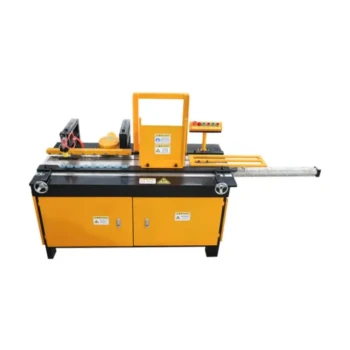
- Beehive Handle and Frame Rest Cutting Machine: Your Specialized Hive Machine
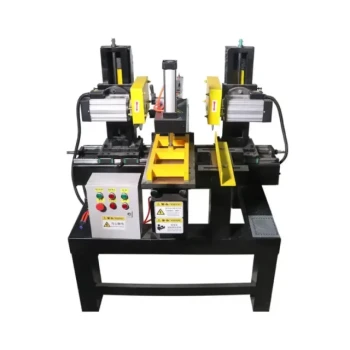
- Beehive Machine Double End Saw for Precision Hive Component Manufacturing
- Wholesales Dadant Size Wooden Bee Hives for Beekeeping
- HONESTBEE Premium Italian Style Hive Tool with Hardwood Handle
- Wooden Bee Hive Frames for Beekeeping and Wholesale
People Also Ask
- What is the importance of specialized beehive-making machinery? Ensure Precision for Sensor-Based Hive Monitoring
- How do bee hive handles facilitate the evaluation of food stores? Use the Lift Test for Winter Survival
- How do specialized beehive handling machines contribute to efficiency? Streamline Your Mobile Beekeeping Logistics
- How do professional beehive and frame manufacturing machines contribute to commercial apiary management? Boost Efficiency
- What are the standard dimensions for frame rests in a beehive? Essential Guide for Perfect Bee Space