Honey extraction requires a coordinated system of tools designed to remove bees, open wax cells, and separate liquid honey from the comb efficiently. At a minimum, you will need protective gear, specific tools to clear bees from frames (such as a bee brush or escape board), uncapping equipment (like a heated knife or scratcher), and a filtration system consisting of a sieve and a bottling bucket.
Core Takeaway While the specific hardware varies depending on your scale, the extraction process relies on maintaining a strict hygiene protocol and choosing an extraction method that aligns with your resources. Your choice of tool determines whether you destroy the honeycomb to harvest the honey or preserve the comb for immediate reuse by the colony.
Essential Preparation and Safety
Before handling the hive, you must establish a secure and sanitary environment.
Personal Protective Equipment
Standard beekeeping safety gear is mandatory during the extraction setup. This includes a suit or veil and strictly utilized gloves to prevent stings while handling agitated bees.
Hygiene Maintenance
Honey is a raw food product, making strict sanitation critical. The workspace must be free of dirt, and personal hygiene—including clean hands and tied-back hair—is essential. Avoid smoking or other activities that could contaminate the air quality in the processing area.
Clearing and Uncapping the Frames
Once you are ready to harvest, you must remove the bees and open the wax seals on the honeycomb.
Bee Removal Tools
To clear bees from the frames without harming them, you need specialized tools. A bee brush allows for manual removal, while a triangle escape board or fume board can clear supers passively before you remove them.
Uncapping Equipment
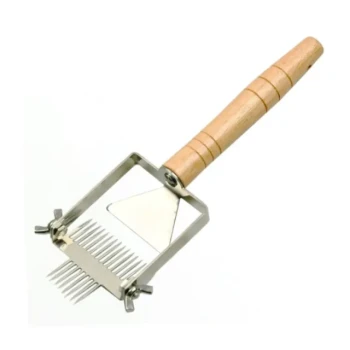
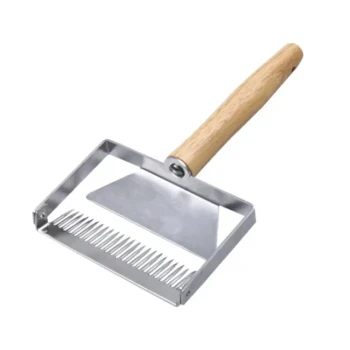
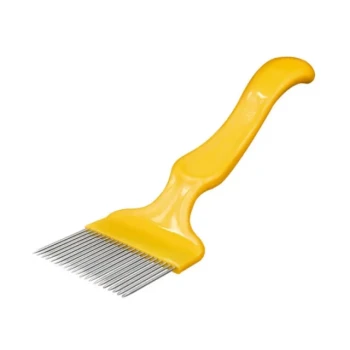
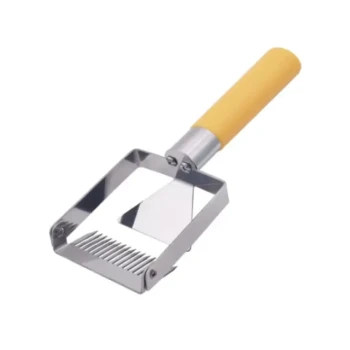
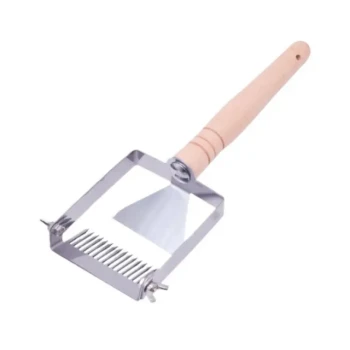
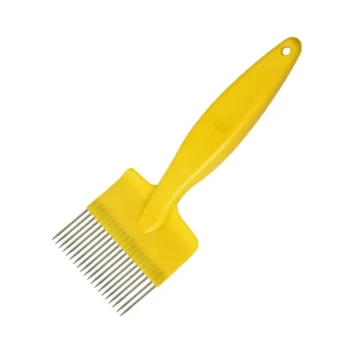
Honey is sealed behind beeswax caps that must be removed. Common tools for this include a heated or cold uncapping knife to slice off the caps, or an uncapping roller to puncture them. A cappings scratcher is essential for reaching low spots the knife misses.
Catching the Wax
You will need a vessel to hold the frames while you work and to catch the falling wax. An uncapping tank or a simple bucket serves this purpose, collecting the dripping honey and wax cappings for later processing.
The Separation Process
This stage involves the actual removal of fluids from the solid structure of the frame.
Centrifugal Extractors
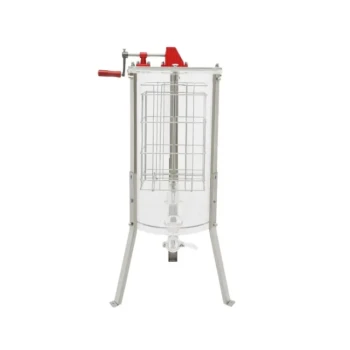
The industry standard is the extractor, a drum containing a rotating basket. By spinning the frames, centrifugal force pulls the honey out without destroying the wax comb. These can be manual (hand-cranked) or motorized.
The Press Method
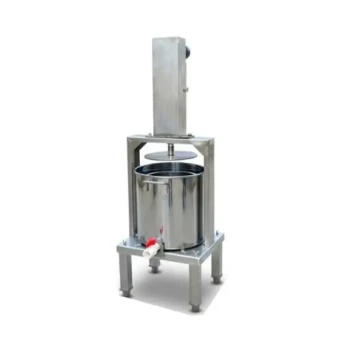
Alternatively, for small-scale operations without an extractor, you can use a honey press or manual squeezing. This requires cutting the comb out, wrapping it in calico or cheesecloth, and applying pressure to force the honey through the fabric.
Filtration and Storage
Once extracted, the honey must be cleaned. A sieve or distinct honey extractor filters remove wax particles and debris. The final liquid is typically collected in a bottling bucket equipped with a honey gate (spout) or a settling tank to allow air bubbles to rise before bottling.
Understanding the Trade-offs
Selecting your tools involves balancing equipment costs against labor and hive health.
Comb Preservation vs. Low Cost
Using a centrifugal extractor is an investment, but it preserves the honeycomb structure. This allows you to return empty frames to the hive, saving the bees the massive energy expense of rebuilding wax. Conversely, the press method is cheaper initially but destroys the comb, forcing the colony to restart construction, which lowers future honey yields.
Manual vs. Electric Power
Manual extractors offer high control over rotation speed, reducing the risk of damaging delicate combs, but they require significant physical labor. Electric extractors maximize efficiency and recovery rates but represent a higher upfront cost and consume more energy.
Making the Right Choice for Your Goal
To determine which tools belong in your kit, consider your end-game.
- If your primary focus is preserving colony energy: Prioritize a centrifugal extractor, as it allows you to return intact combs to the hive for immediate reuse.
- If your primary focus is low-cost entry: Utilize the press method with cheesecloth and a simple bucket, accepting that you will sacrifice the comb.
- If your primary focus is product purity: Invest heavily in uncapping tanks and multi-stage sieves to ensure all wax cappings and debris are removed before the honey settles.
The right tools do not just extract honey; they protect the integrity of your harvest and the future productivity of your hive.
Summary Table:
| Tool Category | Essential Equipment | Purpose |
|---|---|---|
| Preparation | Veil, Suit, Gloves | Bee protection and hygiene |
| Bee Removal | Bee Brush, Escape Board | Safely clearing bees from frames |
| Uncapping | Heated Knife, Cappings Scratcher | Removing wax seals from honeycomb |
| Extraction | Centrifugal Extractor or Press | Separating liquid honey from the comb |
| Filtration | Sieve, Bottling Bucket | Removing debris and air bubbles |
| Collection | Uncapping Tank | Capturing wax cappings and drips |
Elevate Your Commercial Honey Production with HONESTBEE
Maximize your harvest efficiency and preserve the health of your colonies with professional-grade equipment. HONESTBEE specializes in catering to commercial apiaries and distributors, providing a comprehensive wholesale catalog that covers every stage of the beekeeping lifecycle.
Our Value to You:
- Industrial Machinery: From high-capacity honey-filling machines to automated hive-making equipment.
- Precision Tools: Durable centrifugal extractors, heated uncapping tools, and advanced filtration systems.
- Essential Consumables: A full spectrum of high-quality industry consumables and honey-themed merchandise.
Ready to scale your operation or stock your distribution business with the industry's best?
Contact Our Experts Today to receive a tailored quote and discover how HONESTBEE can streamline your production.
Related Products
- Professional Stainless Steel Pry-Bar Hive Tool
- Stainless Steel 3 Frame Manual Honey Extractor Spinner for Bee Honey Extraction
- HONESTBEE 2 Frame Manual Acrylic Honey Extractor Beekeeping Equipment
- HONESTBEE 3-Frame Manual Acrylic Honey Extractor
- Plastic Hand Crank 2 Frame Honey Extractor Low Price
People Also Ask
- What is the function of a professional stainless steel hive tool in IFB? Optimize Your Colony Strength Assessment
- Which technical challenges in hive maintenance are addressed by using a professional stainless steel hive tool?
- What are the primary functions of a stainless steel hive tool? Essential Equipment for Professional Beekeeping
- What are the primary functions of a stainless steel hive tool? Essential Tips for Efficient Apiary Maintenance
- What is the role of professional hive tools in routine apiary maintenance? Expert Tips for Hive Health and Longevity