The most effective bee smoker fuels fall into two distinct categories: starter materials and sustained-burn materials. To successfully operate a smoker, you must use light, easily ignitable tinder like cardboard, newspaper, or untreated burlap to establish a flame, followed by dense, slow-burning fuels like pine cones, wood shavings, or cotton fibers to maintain the smoke.
The ideal smoker fuel produces a thick, cool white smoke without generating excessive heat or releasing toxic chemicals. Success requires a combination of an easily ignitable starter tinder and a dense, slow-smoldering main fuel.
The Two-Stage Fuel Strategy
A common mistake is treating all fuel the same. To maintain a smoker that does not go out, you must build the fire in layers using materials with different burn rates.
Stage 1: Starter Materials (Tinder)
The goal of the starter material is to catch a spark quickly and create enough heat to ignite the denser fuel.
Cardboard and Paper Corrugated cardboard and crumpled newspaper are excellent for the initial light. Pieces of cardboard egg cartons are particularly effective because their structure allows for good airflow.
Untreated Burlap Burlap is a traditional favorite. It ignites easily and produces a clean smoke, provided it is untreated and free of synthetic fibers or chemicals.
Cotton and Lint Cotton fibers, cotton rags, and dryer lint are highly combustible and work well to get the fire established at the bottom of the smoker canister.
Stage 2: Main Fuels (Sustained Burn)
Once the starter fire is established, you need materials that smolder slowly to produce volume without burning up quickly.
Pine Cones and Needles Pine materials are widely considered superior fuels. The high sap content in pine cones and needles creates a heavy, wet, and fragrant smoke that calms bees effectively.
Wood Shavings and Pellets Wood shavings and compressed wood pellets provide a very consistent burn. They are easy to light once the tinder is going and are less likely to contain hidden synthetic debris.
Natural Plant Matter Various dry plant materials work well depending on local availability. Common options include sumac bobs, corn cobs, dry leaves, and punk wood (soft, rotted wood found in forests).
Understanding the Trade-offs
While many combustible materials can produce smoke, not all are safe for the colony or the beekeeper. You must carefully evaluate the side effects of your fuel source.
Heat Generation vs. Cool Smoke
The objective is "cool smoke." Hardwood pellets, while long-lasting, can burn significantly hotter than softer woods.
If the smoke becomes too hot, it can singe the bees' wings. You may need to pack green grass or damp leaves on top of the fuel to cool the smoke before it exits the nozzle.
Chemical Contamination
You must strictly avoid materials that contain synthetic chemicals.
Never use treated wood, glossy paper with colored inks, or synthetic fabrics. Burning these releases toxic fumes that can harm or kill the bees and contaminate the honey.
Creosote Buildup
While pine needles and cones are excellent for smoke volume, their sap content leads to faster creosote buildup inside the smoker.
If you rely heavily on pine, you will need to clean the smoker canister and lid more frequently to prevent the lid from sticking shut.
Making the Right Choice for Your Goal
Select your fuel combination based on your immediate environment and the duration of your inspection.
- If your primary focus is accessibility: Use pine needles or dry leaves, as they are free and readily available in most environments, though they burn faster.
- If your primary focus is duration: Choose wood pellets or pine cones, as these dense materials smolder for long periods, reducing the need to pump the bellows constantly.
- If your primary focus is consistency: Use commercial smoker fuel or wood shavings, as they offer a predictable burn rate and are guaranteed to be free of harmful chemicals.
Always test the smoke temperature against the back of your hand before directing it toward the hive to ensure it is cool and safe.
Summary Table:
| Fuel Category | Material Examples | Burn Characteristic | Key Advantage |
|---|---|---|---|
| Starter (Tinder) | Cardboard, Burlap, Cotton | Fast-igniting | Quickly establishes initial flame |
| Main (Sustained) | Pine Cones, Wood Pellets | Slow-smoldering | Provides long-lasting, thick smoke |
| Natural Matter | Dry Leaves, Pine Needles | Moderate burn | Readily available and cost-effective |
| Commercial | Wood Shavings, Cotton Fibers | Consistent burn | Guaranteed free of toxins and chemicals |
Maximize Your Apiary Efficiency with HONESTBEE
Choosing the right fuel is just the first step in professional colony management. HONESTBEE empowers commercial apiaries and distributors with high-performance beekeeping tools and machinery designed for scale. From heavy-duty smokers and hive-making equipment to honey-filling machines and essential consumables, we provide the full spectrum of hardware needed to grow your business.
Ready to upgrade your equipment? Contact us today to discuss our wholesale offerings and discover how our specialized tools can streamline your operations.
Related Products
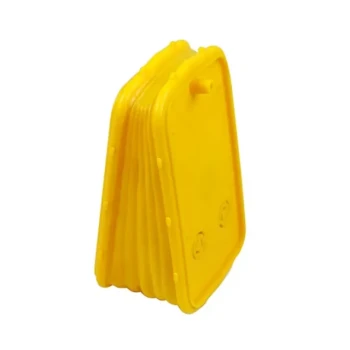
- 54-Piece Smoker Fuel Pellets for Beekeeping Beehive Smoker Fuel
- Stainless Steel Honey Bee Smoker Hive and Honeycomb Smoker for Beekeeping
- Premium Traditional Copper Bee Smoker with Bellows
- Galvanized Beekeeping Smoker for Honey Bee and Apiculture
- Stainless Steel Electric Beehive Smoker for Beekeeping and Bee Keeper Use
People Also Ask
- What is the best bee hive smoker fuel? Choose Natural, Slow-Burning Fuel for Calm Bees
- What to put in a bee hive smoker? A Guide to Natural, Calming Fuels
- What fuels are recommended for beehive smokers? Master the Art of Calm, Controlled Inspections
- What type of fuel is best for smokers? Choose the Right Fuel for BBQ or Beekeeping
- What types of fuel can be used in a beekeeper's smoker? Best Options for Clean and Effective Smoke