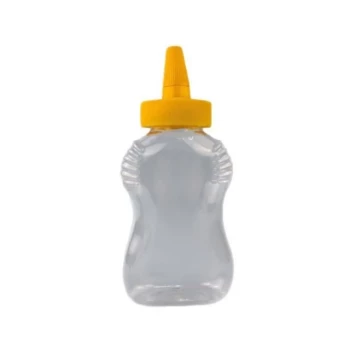
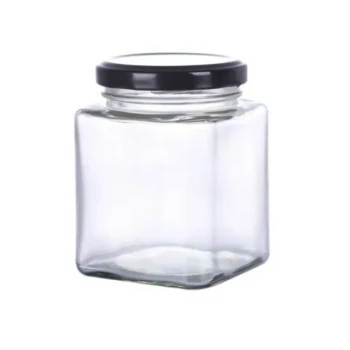
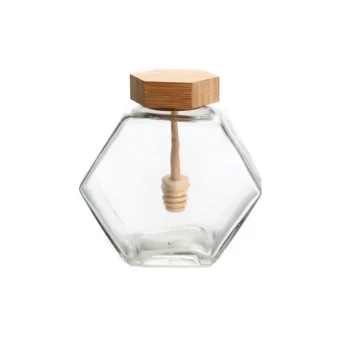
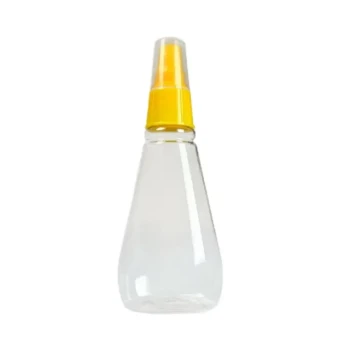
Food-grade integrity is the non-negotiable standard for packaging infused honey intended for distribution. The primary suitable options are glass jars in traditional shapes, food-grade plastic containers (such as honey bear bottles), and food-grade metal containers for larger volumes.
The ideal packaging solution must balance retail presentation with preservation, ensuring an airtight seal to prevent moisture absorption and fermentation during storage and transport.
Core Material Options for Distribution
Glass Jars
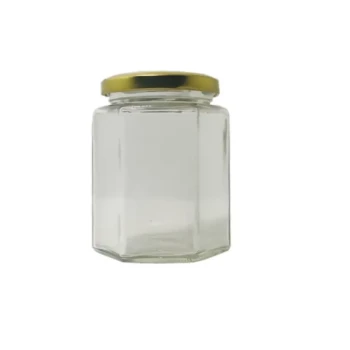
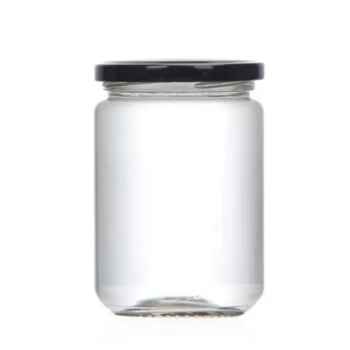
Glass remains a standard for retail distribution due to its premium appearance and ability to maintain product quality.
Standard glass jars with screw-on lids are highly effective for retail display.
They are inherently recyclable and reusable, making them an environmentally friendly choice.
Food-Grade Plastic
Plastic containers offer durability and reduced weight for shipping.
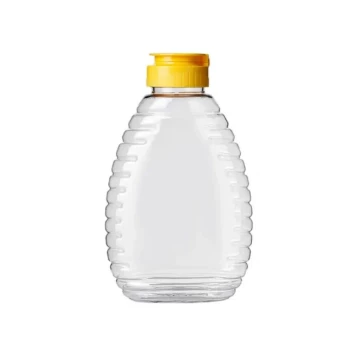
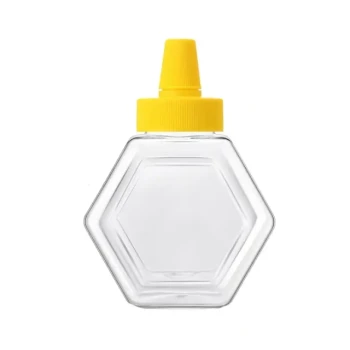
Common options include honey bear bottles, which are specifically designed for both storage and retail shelves.
These must be strictly "food-grade" to ensure no chemical leaching occurs.
Metal and Bulk Containers
For larger scale distribution or storage prior to bottling, food-grade metal containers with well-sealing lids are appropriate.
Food-grade plastic buckets can also be used for this purpose.
These are best suited for wholesale distribution rather than direct-to-consumer sales.
Preservation and Environmental Factors
The Critical Role of the Seal
Regardless of the material chosen, the closure mechanism is the most critical element.
Honey is hygroscopic, meaning it will absorb moisture from the air if left exposed.
If the container is not sealed properly, this excess moisture will lead to fermentation, ruining the product.
Storage Environment
Packaging must be able to withstand the necessary storage conditions for infused honey.
Finished products should be kept in cool, dry, and dark areas to preserve enzymes and taste.
Opaque packaging or storage in dark boxes helps protect the honey from light degradation.
Sustainable Innovations
Recycled Resins (PCR)
For producers choosing plastic, there are now options made with post-consumer recycled resin (PCR).
This allows for the durability of plastic while incorporating recycled content to lower the environmental footprint.
Flexible Pouch Packaging
Innovations in the industry have introduced pouches as a viable option.
These generate less waste during production compared to rigid containers.
Many modern pouches are designed to be made from recyclable materials, offering a new avenue for sustainable distribution.
Understanding the Trade-offs
Weight vs. Perception
Glass offers a premium consumer perception and excellent preservation but significantly increases shipping costs due to weight.
It is also fragile, requiring more protective packaging during distribution to prevent breakage.
Durability vs. Permeability
Plastic is lightweight and shatterproof, making it ideal for shipping and handling.
However, standard plastics may not offer the same long-term barrier protection against oxygen and moisture as glass or metal.
Bulk vs. Retail
Metal containers and buckets are excellent for protecting large quantities of honey from light and moisture.
However, they lack the aesthetic appeal required for consumer retail shelves and are strictly utilitarian.
Making the Right Choice for Your Goal
Select your packaging based on your specific distribution model and brand values.
- If your primary focus is Premium Retail: Choose glass jars with screw-on lids to signal quality and ensure maximum recyclability.
- If your primary focus is E-commerce/Shipping: Opt for food-grade plastic bottles or pouches to reduce weight and eliminate breakage risk.
- If your primary focus is Sustainability: Investigate PCR plastics or flexible pouches to minimize production waste and incorporate recycled content.
The best packaging protects the honey's chemistry while ensuring it arrives to the customer exactly as it left the extractor.
Summary Table:
| Packaging Type | Material | Best Use Case | Key Advantages |
|---|---|---|---|
| Glass Jars | High-quality Glass | Premium Retail | Superior preservation, premium feel, 100% recyclable |
| Plastic Bottles | Food-grade PET/HDPE | E-commerce & Shipping | Lightweight, shatterproof, reduced shipping costs |
| Metal/Bulk | Food-grade Metal/Plastic | Wholesale Distribution | Durable, light-blocking, ideal for large volumes |
| Flexible Pouches | Recyclable Films | Eco-conscious Brands | Low waste, space-efficient, sustainable innovation |
Elevate Your Honey Distribution with HONESTBEE
At HONESTBEE, we understand that the right packaging is just the beginning of a successful apiary business. We empower commercial apiaries and distributors with a comprehensive suite of professional solutions. From high-efficiency honey-filling machines and specialized hive-making hardware to a full spectrum of beekeeping tools and industry consumables, we provide the infrastructure you need to scale.
Whether you are looking to optimize your production line or source premium honey-themed cultural merchandise to expand your brand, our wholesale experts are ready to help. Contact HONESTBEE today to discover how our equipment and expertise can enhance your operational efficiency and product quality.
Related Products
- Automatic Single-Dose Snap & Squeeze Honey Sachets Packing Machine
- Inverted Squeezable Honey Jar with No Drip Flip Top Cap for Easy Pouring
- Small Honey Filling Machine Sachet Packing Equipment Single Nozzle
- Double Nozzle Small Honey Filling Machine Honey Sachet Packing Packaging Equipment
- Hexagonal Glass Honey Jars with Metal Lug Caps Elegant Versatile Packaging
People Also Ask
- What are the advantages of honey sachet packing machines? Boost Efficiency & Unlock New Markets
- What are the main functions of a honey sachet packing machine? Boost Efficiency with Automated Precision
- How does an industrial-grade honey sachet packaging machine assist beekeepers in accessing public institution markets?
- Why is automated packaging machinery essential for scaling industrial honey production? Drive Commercial Scalability
- How does the viscosity of honey influence packaging choices? Selecting the Best Containers & Machinery