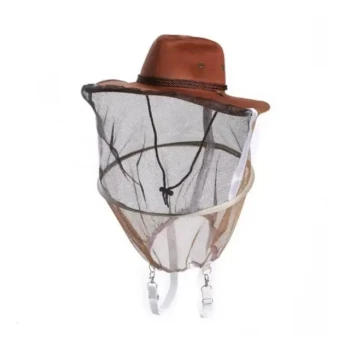
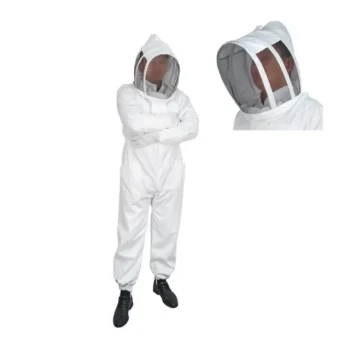
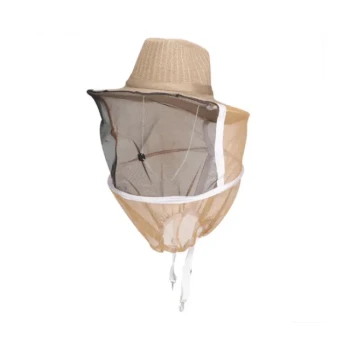
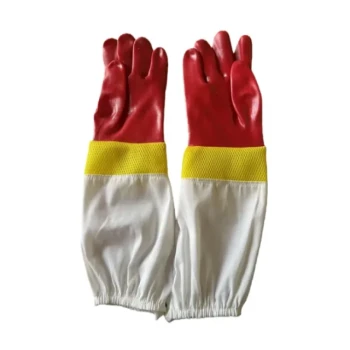
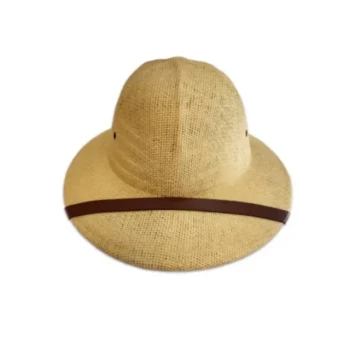
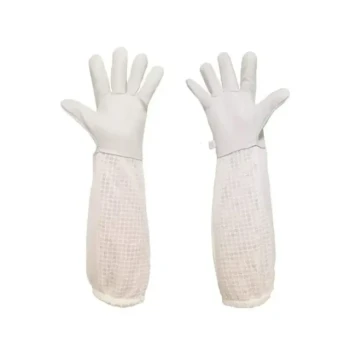
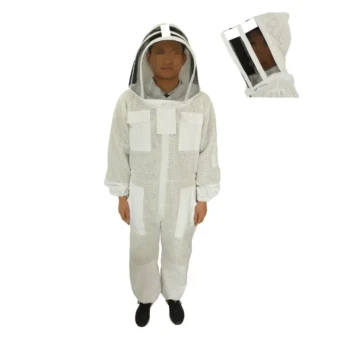
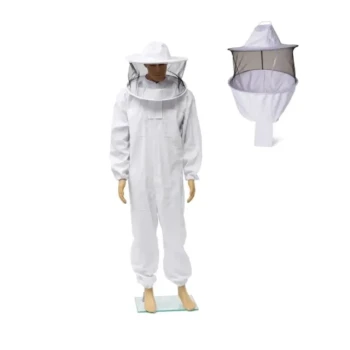
Protective beekeeping equipment ranges from essential face coverings to complete body armor designed to create a physical barrier between the operator and the colony. To effectively minimize the risk of stings, beekeepers rely on a hierarchy of gear that includes veils, gloves, bee jackets, and full bee suits. While a veil is the absolute minimum requirement to protect vulnerable areas like the head, a full bee suit offers the highest level of comprehensive coverage for the entire body.
While protective gear is vital for safety, it is critical to understand that all beekeeping clothing is designed to be sting-resistant, not completely sting-proof. The primary goal of this equipment is to provide enough confidence and protection to allow the beekeeper to work calmly, which reduces bee stress and minimizes defensive behavior.
The Hierarchy of Protection
The Essential Minimum: The Veil
The most critical piece of equipment in any beekeeper's arsenal is the veil. Because honey bees instinctively target the head and face when defending their hive, protecting this area is non-negotiable.
Regardless of experience level, a veil is considered the mandatory minimum protection for any apiary work.
Body Protection: Jackets and Suits
For torso and arm protection, beekeepers utilize bee jackets. These provide significant coverage and are often sufficient for quick inspections or experienced apiarists.
For maximum protection, a full bee suit is recommended. This one-piece garment covers the entire body, minimizing the risk of stings by eliminating gaps where bees could enter.
Extremity Protection: Gloves and Boots
Hands are the primary point of interaction with the hive, making gloves an important component of the safety kit. They protect the fingers and wrists during frame manipulation.
To complete the physical barrier, boots are used in conjunction with suits to protect the ankles and feet.
The Operational Impact of Safety
Building Operator Confidence
For novice beekeepers, utilizing a full range of equipment—suit, gloves, hat, and veil—is strongly recommended.
Comprehensive protection helps new beekeepers overcome the fear of stings. This confidence is essential for learning how to handle frames and tools properly.
Enhancing Hive Efficiency
Safety gear does more than prevent pain; it allows for precision. When an operator feels safe, they can perform inspections, pest control, and harvesting with steady, calm movements.
This calmness is contagious. By avoiding jerky movements caused by fear, the beekeeper minimizes disturbances and stress responses in the bees, leading to a more efficient and peaceful operation.
Understanding the Trade-offs
Resistance vs. Immunity
It is a common misconception that protective gear offers 100% immunity to stings. You must operate with the understanding that gear is sting-resistant, not sting-proof.
Sharp stingers can occasionally penetrate fabric, especially if the fabric is pulled tight against the skin. Reliance on gear should never replace cautious, respectful handling of the colony.
Experience vs. Coverage
As beekeepers gain experience, some may choose to reduce their gear, occasionally working with only a hat and veil.
However, this tradeoff increases risk. While it offers more mobility or comfort, it removes the comprehensive physical barrier that guarantees safety during unexpected colony aggression.
Making the Right Choice for Your Goal
Selecting the right equipment depends on your experience level and the specific task at hand.
- If your primary focus is learning and building confidence: Prioritize a full bee suit, gloves, and a veil to eliminate fear and allow you to focus on technique.
- If your primary focus is complex colony management (Harvesting/Pest Control): Utilize full protective gear to ensure you can work with precision and patience without being rushed by the threat of stings.
- If your primary focus is quick observation (Experienced only): You may opt for a veil and jacket, but acknowledge that you are sacrificing the comprehensive safety barrier of a full suit.
The best protective equipment is the set that allows you to work calmly enough to keep your bees undisturbed and your apiary efficient.
Summary Table:
| Equipment Type | Body Coverage | Recommended For | Primary Benefit |
|---|---|---|---|
| Beekeeping Veil | Face & Neck | All Experience Levels | Essential protection for eyes, nose, and mouth. |
| Bee Jacket | Torso & Arms | Experienced Apiarists | Quick inspections with high mobility and breathability. |
| Full Bee Suit | Full Body | Beginners & Complex Tasks | Maximum physical barrier; eliminates entry points for bees. |
| Gloves & Boots | Hands & Feet | Precision Tasks | Protects extremities during frame handling and hive moves. |
Scale Your Apiary Operations with HONESTBEE Safety Gear
At HONESTBEE, we understand that operator safety is the foundation of a productive apiary. As a premier provider for commercial apiaries and global distributors, we offer a comprehensive wholesale range of professional-grade beekeeping tools and equipment.
From high-performance, sting-resistant protective suits to specialized honey-filling machinery and essential consumables, our portfolio is designed to enhance your efficiency and minimize operational risk. Whether you are stocking a distribution network or upgrading industrial hive-making capabilities, we deliver the quality you need to grow.
Ready to elevate your beekeeping business?
Contact HONESTBEE Today to Discuss Wholesale Solutions
Related Products
- Premium Cowboy Beekeeper Hat with Visibility Veil Outdoor Professional Beekeeping Protective Gear
- Premium Cotton Beekeeper Suit with Reinforced Fencing Veil
- Beekeeper Cowboy Hat and Veil for Beekeeping
- White Cotton Beekeeping Jacket and Veil for Bee Keepers
- Beekeeping Gloves Goatskin Leather with Long Cotton Sleeve for Beekeepers
People Also Ask
- What design features contribute to the stability and fit of the beekeeper hat? Key Features for Maximum Hive Safety
- How is the beekeeper hat designed for comfort and practicality? Explore Key Features for Enhanced Apiary Safety
- What is the general protective gear recommendation for new beekeepers? Your Essential Beginner's Safety Guide
- How does beekeeping protective gear facilitate the queen bee selection process? Enhancing Precision in Queen Breeding
- What should beekeepers consider when choosing protective gear? A Guide for Maximum Safety & Comfort