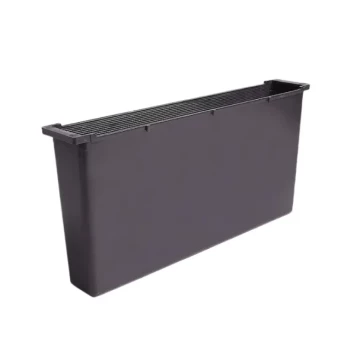
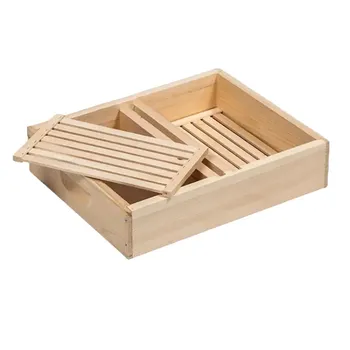
Supplemental feeding methods are categorized by the physical state of the feed: liquid sugar syrups are utilized during warmer periods, while solid artificial feeds are employed during cold weather. To address insufficient natural stores, beekeepers rely on delivery systems like baggie feeders and feeder pots for liquids, shifting to candy boards, fondant, or pollen patties when temperatures drop too low for bees to process syrup.
Core Insight: Supplemental feeding is not just about preventing starvation; it is a management tool that mimics natural nectar flows. By artificially stimulating the hive, you maintain the colony's energy for heat generation, encourage the queen to lay eggs, and prevent the bees from absconding due to resource scarcity.
Liquid Feeding Systems
Simulating the Nectar Flow
When temperatures allow for active foraging, liquid feeds are the primary method for supplementation. These solutions, typically composed of sugar syrup, high-fructose corn syrup, or honey water, mimic natural nectar.
Delivery Mechanisms
Beekeepers use specific tools to deliver these liquids efficiently. Baggie feeders are a common method mentioned for providing sugar syrup inside the hive. Feeder pots and high-capacity liquid feeders are also utilized, serving the dual purpose of delivering nutrition and serving as a medium for administering medications.
Supporting New and Weak Colonies
Liquid feeding is particularly critical for new packages or nucleus hives. These developing colonies often lack the established honeycomb and population size required to exploit natural blooms. Consistent liquid feeding provides the energy needed to build comb and expand the workforce, regardless of external foraging conditions.
Solid Feeding for Cold Weather
The Temperature Constraint
A critical limitation of liquid feeding is temperature. As the season ends and temperatures drop significantly, honeybees typically stop consuming liquid syrup. Relying on syrup in freezing conditions can lead to starvation even if the feeder is full.
The "Last Resort" Feeds
To ensure survival during winter, beekeepers must switch to artificial solid feeds. These include candy boards and fondant, which are placed directly over the cluster. These solids provide accessible carbohydrates that the colony metabolizes to generate the heat necessary to survive the winter.
Nutritional Supplements
In addition to sugar sources, beekeepers may use pollen patties or mixtures containing flour and pulse powders. These are often grouped with winter emergency feeds to ensure the colony has the nutritional support required to maintain vitality when natural pollen is unavailable.
Understanding the Trade-offs
Timing is Everything
The most common error in supplemental feeding is mismatching the feed type to the season. Liquid syrup is highly effective for stimulating spring brood rearing and autumn stocking, but it becomes inaccessible to bees in deep winter. Conversely, solid feeds like candy boards are excellent for winter survival but do not stimulate rapid colony growth like liquid syrup does.
The Risk of Dependency
These methods are defined as "supplemental" or "last resort" measures. While they prevent mortality from starvation and reduce physiological stress, they are artificial substitutes. They should be used to bridge the gap during droughts, seasonal dearths, or winter preparation, rather than serving as a permanent replacement for natural forage.
Making the Right Choice for Your Goal
Select your feeding method based on the immediate environmental conditions and the developmental stage of your colony.
- If your primary focus is Overwintering Survival: Switch to solid feeds like candy boards or fondant, as bees cannot process liquids once the temperature drops significantly.
- If your primary focus is Colony Establishment (Spring/Summer): Utilize liquid sugar syrup via baggie or pot feeders to stimulate comb building and queen laying in new packages.
- If your primary focus is Preventing Absconding: Provide continuous supplemental syrup during nectar dearths or droughts to maintain the colony's foraging drive and stability.
Effective apiary management requires anticipating the weather; feed syrup to build the reserve, but switch to solids to save the hive.
Summary Table:
| Feeding Method | Feed Type | Ideal Season/Condition | Primary Purpose |
|---|---|---|---|
| Liquid Feeders | Sugar Syrup, HFCS | Spring, Summer, Early Autumn | Stimulate brood rearing & comb building |
| Baggie/Pot Feeders | Syrup/Honey Water | Warm Weather Dearth | Prevent starvation & manage medications |
| Candy Boards | Solid Sugar (Hard) | Deep Winter/Freezing Temps | Emergency carbohydrate source for heat |
| Fondant | Solid Sugar (Soft) | Late Winter/Early Spring | Accessible winter energy for clusters |
| Pollen Patties | Protein/Pollen Substitute | Early Spring/Late Winter | Boost brood production & colony vitality |
Maximize Your Apiary’s Productivity with HONESTBEE
Don't let nectar dearths or harsh winters compromise your honey yield. HONESTBEE provides the professional-grade tools commercial apiaries and distributors need to maintain thriving colonies year-round. From high-capacity feeding systems to advanced honey-filling machines and hive-making equipment, our comprehensive wholesale portfolio is designed to scale your operations.
Ready to upgrade your beekeeping equipment? Contact our specialists today to discover how our specialized hardware and industry consumables can drive your business success.
Related Products
- HONESTBEE Entrance Bee Feeder Efficient Hive Front Liquid Feeding Solution for Beekeeping
- HONESTBEE Professional Entrance Bee Feeder Hive Nutrition Solution
- HONESTBEE Entrance Bee Feeder Professional Hive Nutrition Solution for Beekeeping
- HONESTBEE Round Hive Top Bee Feeder for Syrup
- HONESTBEE Professional Hive Top Bee Feeder Feeding Solution
People Also Ask
- What types of bee feeders are available for beginners? Start with the Simple Entrance Feeder
- What are the advantages and disadvantages of using an entrance feeder for bees? Balance Convenience and Hive Security.
- What is a bee entrance feeder and what are its drawbacks? Essential Guide to Hive Security and Feeding Efficiency
- How does a bee entrance feeder work? A Simple Guide to Convenient Hive Feeding
- How to make an entrance feeder for bees? A DIY Guide for Safe & Effective Feeding