Honey-themed cultural merchandise and consumables transform the beekeeping industry from a raw agricultural sector into a high-value retail and service ecosystem. By converting basic honey into specialized crafts, skincare, and tourism artifacts, these products extend the value chain, creating diversified revenue streams that are less dependent on seasonal harvest yields. Beyond economics, these items serve as lasting educational tools, reinforcing consumer understanding of bee ecology and strengthening brand identity long after the initial interaction.
Core Takeaway Cultural merchandise and consumables act as a bridge between agriculture and the consumer market, converting a commodity (honey) into a value-added brand experience. This diversification mitigates revenue instability while simultaneously educating the public on the ecological importance of bees.
Economic Value: Expanding Revenue Streams
Moving Beyond Commodity Pricing
Traditional beekeeping relies heavily on raw honey production, which is subject to market price fluctuations. Cultural merchandise, such as bee models and themed crafts, allows producers to set prices based on design and utility rather than weight. This shift significantly increases the overall added value of the sector.
Mitigating Seasonal Instability
Honey production is inherently seasonal and weather-dependent. Developing a portfolio of consumables—like honey-based skincare or creative crafts—provides a stable income source throughout the year. These products help buffer the enterprise against the revenue dips caused by off-seasons or poor harvest years.
Increasing Customer Expenditure
Merchandise acts as a high-value auxiliary product that encourages higher spending per visit. When integrated with tourism or online sales, these items transform simple honey consumption into an extended shopping experience. This increases the average transaction value and boosts overall profitability.
Brand Value: Strengthening Identity and Connection
Creating Tangible Cultural Carriers
Merchandise serves as a physical "carrier" of the brand’s identity. Unique designs and creative products translate traditional beekeeping skills into tangible commercial symbols. These items function as persistent reminders of the brand, strengthening consumer recognition in a crowded market.
Building Emotional Connections
Functional consumables and aesthetic crafts help establish a unique visual brand identity. By offering a multi-dimensional product portfolio, businesses can foster a deeper emotional connection with consumers. This loyalty is essential for the long-term sustainability of the apiculture business.
Integrating Agriculture and Tourism
Cultural merchandise facilitates the deep integration of agriculture with the tourism sector. These products act as souvenirs that enhance the visibility and reputation of regional industrial clusters. They allow visitors to take a piece of the "beekeeping heritage" home, extending the reach of the regional brand.
Educational Value: Promoting Ecology and Conservation
Translating Complex Knowledge
High-quality merchandise acts as a medium to translate complex ecological concepts into accessible information. For example, products highlighting stingless bees can transform ecological value into cultural assets. This makes the science of apiculture approachable for the general public.
Reinforcing Conservation Concepts
Merchandise serves as an educational tool that promotes awareness of honeybee conservation and biodiversity. By purchasing these items, consumers engage with a narrative about the social value of beekeeping. This fosters a community-based model where commerce supports regional biodiversity maintenance.
Understanding the Trade-offs
The Requirement for New Competencies
Expanding into merchandise moves a business from pure farming to retail and product development. This requires new skills in design, manufacturing, and inventory management. A beekeeper successful at hive management may not inherently possess the skills required to develop high-quality skincare or compelling cultural artifacts.
Brand Alignment Risks
The merchandise must align with the quality of the raw honey. Low-quality "gimmick" souvenirs can damage the professional brand image rather than enhance it. To be effective, the cultural merchandise must be viewed as a legitimate derivative of the industry, not just a distraction.
Supply Chain Complexity
Introducing consumables like skincare involves stricter regulatory compliance and more complex supply chains than raw honey. Beekeepers must balance the potential for diversified income against the operational overhead of managing non-agricultural production lines.
Making the Right Choice for Your Goal
To leverage cultural merchandise effectively, align your product strategy with your specific business objective:
- If your primary focus is Financial Stability: Prioritize consumables like skincare and functional goods to mitigate seasonal revenue fluctuations and increase average customer spend.
- If your primary focus is Brand Loyalty: Invest in unique, high-quality crafts that serve as visual brand anchors and strengthen the emotional connection with the consumer.
- If your primary focus is Education and Advocacy: Develop narrative-driven models and tools that explicitly teach bee ecology and conservation to justify the value of the industry.
By treating cultural merchandise as a strategic asset rather than a novelty, you secure the long-term sustainability and relevance of your beekeeping enterprise.
Summary Table:
| Value Category | Key Benefit | Example Products |
|---|---|---|
| Economic | Off-season stability & higher margins | Honey-based skincare, themed crafts |
| Brand | Emotional connection & visual identity | Bee models, cultural souvenirs |
| Educational | Ecological awareness & conservation | Narrative-driven tools, educational models |
| Strategic | Regional tourism integration | Heritage artifacts, gift sets |
Elevate Your Apiary Business with HONESTBEE
Are you looking to transcend raw honey production and build a high-value brand? HONESTBEE is your strategic partner in the beekeeping industry. We cater to commercial apiaries and distributors with a comprehensive wholesale offering designed to maximize your value chain.
From industrial-grade hive-making and honey-filling machines to a wide array of essential industry consumables and specialized hardware, we provide the tools you need for efficiency. Furthermore, our portfolio includes unique honey-themed cultural merchandise to help you build deeper emotional connections with your customers and diversify your revenue streams.
Ready to scale your operations and brand impact?
Contact us today to explore our wholesale solutions!
References
- Savella Deanova Supatno, Riswandha Risang Aji. Identifikasi Potensi Eduwisata Perlebahan Gunung Guntur. DOI: 10.29313/bcsurp.v4i3.14011
This article is also based on technical information from HonestBee Knowledge Base .
Related Products
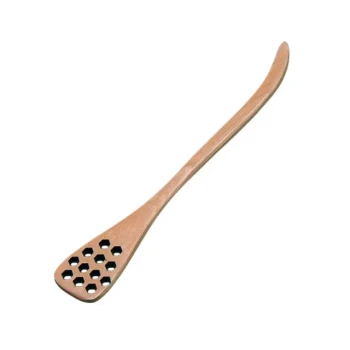
- Modern Honeycomb Pattern Wooden Honey Dipper for Stirring and Drizzling
- Heart-Shaped Comb Honey Frame and Honeycomb Cassette
- Honey Tank Heater Drum Heating Blanket for Honey Barrel
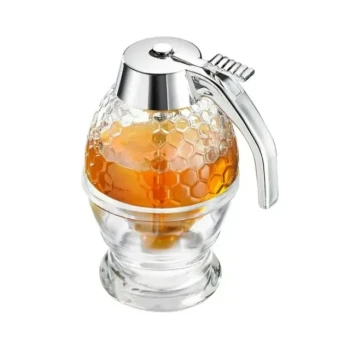
- Classic Beehive Honey Bottle Jar with Squeeze Dispenser Lid
- Professional Plastic Honey Dipper for Easy Honey Drizzling
People Also Ask
- What is the proper method for cleaning a honey dipper? Maintain Pure Flavor with These Easy Pro Tips
- What is a honey dipper and what is it used for? A Guide to Mess-Free Drizzling
- What is a honey dipper? Master the Art of the Perfect Drizzle with This Essential Tool
- What is a honey taking spoon called? Discover the Tool for a Perfect, Mess-Free Drizzle
- How do you clean and store a honey dipper? Simple Steps for Long-Lasting Performance