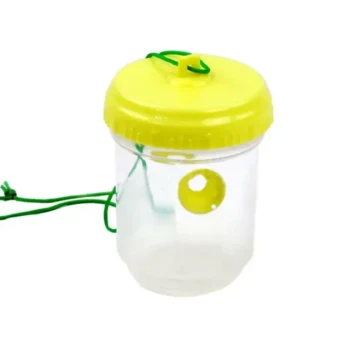
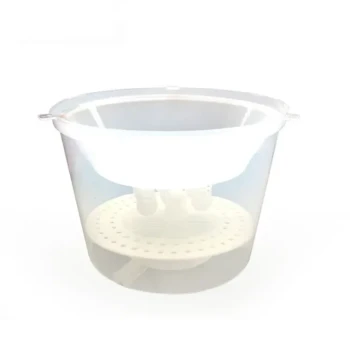
The critical deployment window is late summer through autumn, with peak protection required from September to November. Commercial apiaries should install hornet traps and hive entrance defense equipment before hornet activity reaches its seasonal maximum, then maintain and monitor those controls throughout the autumn period. This timing is essential because worker hornet populations increase as they hunt honeybees near hive entrances to feed developing larvae.
For commercial apiaries, protection should be in place before September and remain active through November. Apis mellifera is highly vulnerable to predatory hornets because it lacks the specialized colony-defense behavior found in some Asian honeybee species, so physical protection is a necessary management control rather than an optional supplement.
Why Autumn Creates the Greatest Risk
Hornet pressure rises from late summer onward
Predatory hornet populations typically become most threatening during late summer and autumn. From September through November, worker hornets actively search for protein-rich prey, including honeybees, around hive entrances and foraging areas.
The risk is therefore seasonal but not sudden. Installing equipment only after repeated attacks have begun may allow hornets to establish persistent hunting activity around the apiary.
Hornets attack both individual bees and colonies
Hornets can capture foraging workers near the hive and may continue patrolling the entrance. Sustained attacks reduce the number of bees available for foraging, guarding, brood care, and other essential colony work.
In severe cases, hornets can overwhelm a colony through repeated predation or coordinated attacks. The resulting loss of worker population can weaken the colony before winter, when recovery opportunities are limited.
Why Apis Mellifera Requires Physical Protection
European honeybees lack an effective defense against large hornets
Some Asian honeybee species, including Apis cerana, can defend against certain hornets by forming a defensive cluster around the predator and raising its temperature. Apis mellifera generally does not possess this same effective thermal defense, leaving colonies more exposed to large predatory wasps.
This biological difference means that commercial beekeepers cannot rely solely on the bees to repel hornets. The apiary must provide external protection through trapping, entrance control, and monitoring.
Entrance attacks create disproportionate colony stress
Hornets near the entrance can cause guard bees and foragers to remain defensive rather than perform normal colony tasks. Continued pressure may interrupt foraging activity and increase the risk of severe colony stress or absconding.
Reducing hornet activity around the hive helps preserve normal traffic, worker productivity, and colony stability.
How the Protection System Works
Perimeter traps reduce predator pressure
Hornet traps should be positioned around the apiary perimeter and other locations where hornet activity is observed. Their purpose is to reduce the number of predators reaching hive entrances and to divert hornets away from concentrated bee traffic.
For commercial operations, traps should be checked, serviced, and repositioned according to catch rates and local activity. A standardized monitoring routine is important when managing multiple apiary sites.
Entrance guards restrict access
Specialized entrance guards, entrance reducers, and related hardware narrow the hive opening so resident bees can defend it more effectively. Some designs also make the opening physically difficult for larger hornets to enter.
These devices should preserve adequate bee movement and ventilation. They are protective aids, not substitutes for maintaining strong colonies and inspecting for signs of congestion or stress.
Layered controls provide more reliable coverage
The most robust approach combines:
- Perimeter hornet traps to reduce local predator numbers.
- Hive entrance guards or reducers to limit access.
- Apiary surveillance to identify rising hornet activity early.
- Colony-strength management to ensure hives have sufficient guard bees.
- Physical screens or capture equipment where local conditions justify their use.
This layered model is especially relevant to distributors and commercial beekeepers because it supports consistent deployment across different apiary sizes and operating environments.
When Commercial Apiaries Should Act
Begin before the September peak
Preparation should begin in late summer, before hornet populations and hunting activity reach their autumn peak. Traps, entrance equipment, replacement parts, and inspection procedures should be ready before the first sustained attacks are recorded.
For wholesalers and resellers, this creates a clear seasonal fulfillment requirement: inventory must be available before customers enter the September-November risk period.
Maintain active protection through November
Protection should remain in place through the autumn peak rather than being removed after the first reduction in activity. Hornet pressure can vary by region, weather, colony density, and available prey.
Apiary managers should use observed hornet activity and trap catches to determine whether controls need reinforcement or relocation.
Inspect continuously during the risk period
Equipment should be inspected for damage, blocked entrances, depleted attractants, and reduced effectiveness. Hive entrances should also be checked to confirm that bees can pass normally and that the defense system is not creating ventilation or traffic problems.
A rapid-response supply chain matters during this period because replacement traps, guards, bait components, and related hive hardware may be needed without delay.
Understanding the Trade-offs
Entrance reduction can restrict hive traffic
A smaller entrance can improve defensibility, but an opening that is too restrictive may slow bee movement or contribute to congestion. The setting should match colony strength, weather conditions, ventilation needs, and the specific equipment design.
Adjustable reducers and guards are useful because they allow managers to respond to changing conditions rather than applying one fixed configuration to every hive.
Traps require placement and maintenance
Traps are effective only when they remain attractive, accessible, and correctly positioned. Poor placement may fail to intercept hornets or may concentrate predator activity too close to hive entrances.
Commercial operations should treat trapping as an ongoing management process involving inspection records, catch monitoring, and timely servicing.
Equipment does not replace colony management
Physical defenses reduce exposure, but they do not correct weak colonies, poor apiary placement, inadequate nutrition, or delayed inspection. Strong colonies with effective entrance control are better positioned to withstand predatory pressure than weakened colonies.
The protection program should therefore be integrated with ordinary commercial apiary management rather than treated as a standalone product purchase.
Making the Right Choice for Your Goal
The best deployment decision depends on whether the priority is colony survival, operational consistency, or reliable product availability.
- If your primary focus is colony protection: Install traps and entrance defense equipment in late summer, then maintain active controls from September through November.
- If your primary focus is distributor or wholesale readiness: Stock a coordinated range of traps, entrance guards, reducers, screens, and replacement supplies before the autumn demand peak.
- If your primary focus is apiary efficiency: Use standardized equipment and inspection procedures so multiple sites can be monitored and serviced quickly.
- If your primary focus is reducing hornet pressure: Combine perimeter trapping with restricted hive entrances and regular surveillance rather than relying on a single control.
- If your primary focus is protecting pollination and honey production: Prioritize early intervention because preventing worker losses is more effective than trying to rebuild colonies after sustained attacks.
Early, layered protection gives Apis mellifera colonies the best chance of remaining productive and viable through the autumn hornet season.
Summary Table:
| When | Action | Why |
|---|---|---|
| Late Summer | Install traps and guards | Before hornet populations peak |
| September-November | Maintain and monitor | Peak hornet hunting activity |
| Ongoing | Inspect equipment | Ensure effectiveness |
Protect your hives this autumn with HONESTBEE's premium traps and entrance guards. As a trusted supplier for commercial apiaries and distributors, we offer a full range of beekeeping equipment, with rapid fulfillment to keep your operation safe. Contact us today to secure your supply!
Related Products
- Compact Multi-Funnel Hanging Wasp Trap
- Reusable Aluminium Beetle Trap for Small Hive Beetles Silver Bullet
- Gourd Shaped Hanging Wasp Trap Professional Wasp Catcher
- Black Plastic Beetle Barn Hive Beetle Trap for Beehives
- Yellow Plastic Bucket Pail Perch for Beekeeping
People Also Ask
- What are the practical advantages of using professional wasp traps and protective equipment in apiary management? Scale Up
- Why replace sugar syrup bait in wasp traps every three days? Ensure Maximum Attraction and Catch Rates
- What is the importance of deploying hornet traps around an apiary for maintaining colony stability? Protect Your Yields.
- What are the advantages of placing hornet traps on the tops of beehives? Maximize Hive Defense Against Predators
- What trapping methods and equipment setups protect commercial apiaries against seasonal hornet predation?