For most hives, the essential winterization accessories are an entrance reducer and a mouse guard. The reducer limits cold drafts and helps the colony defend its entrance, while the mouse guard prevents rodents from entering, nesting, and damaging comb. In colder or wetter climates, insulation, moisture-control components, an elevated stand, and reliable winter-feeding equipment may also be necessary.
The essential protection is entrance control: use an entrance reducer to manage airflow and access, then add a mouse guard to block rodents. Build on that foundation with climate-appropriate insulation, ventilation, elevation, and feeding support.
The Essential Entrance Hardware
Entrance Reducers Control Exposure
Entrance reducers are wooden or plastic cleats fitted into the hive entrance. They reduce the opening to limit cold drafts, help retain heat around the winter cluster, and make it easier for the colony to defend against robbing.
The reducer should not seal the hive completely. Bees still need adequate access for cleansing flights and ventilation, and the opening must remain appropriate for the colony’s size and local conditions.
Mouse Guards Block Winter Pests
Mouse guards are metal guards or notched plates installed across the entrance. Their openings allow worker bees to pass while preventing mice and other small pests from entering the warm hive.
Rodent intrusion can lead to nesting, comb destruction, contamination, and colony disturbance. For that reason, mouse guards are especially important once cold weather reduces bee flight activity.
Use Both Accessories Together
An entrance reducer manages the size and exposure of the entrance; a mouse guard provides a physical pest barrier. They address different risks and should not be treated as interchangeable components.
For distributors and resellers, offering compatible reducer-and-guard combinations simplifies purchasing and helps customers avoid incomplete winterization kits.
Managing Cold, Wind, and Moisture
Insulation Wraps Reduce Heat Loss
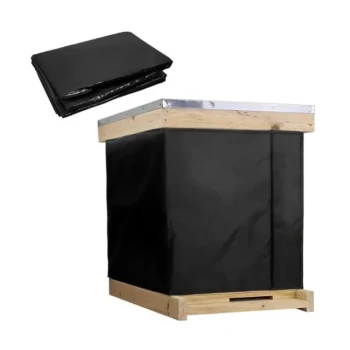
Exterior winter wraps, insulated hive bodies, rigid foam sheets, and similar thermal products help reduce heat loss during winter clustering. They can lower the energy the colony spends maintaining its cluster and help stabilize interior conditions.
Insulation must be paired with moisture management. A tightly wrapped hive without an effective ventilation strategy can allow condensation to accumulate inside.
Ventilation Components Prevent Condensation
Winter ventilation may include a suitable upper entrance, a screened inner-cover opening, or other purpose-designed airflow components. These allow excess humidity to escape while preserving protection from direct drafts.
The objective is controlled ventilation, not maximum airflow. Excessive openings can increase exposure to wind and cold, while insufficient ventilation can cause moisture to condense and drip onto the cluster.
Hive Stands Improve Site Protection
Elevated hive stands keep bottom boards above damp ground, snow accumulation, and standing water. They also promote air circulation beneath the hive and make routine inspection or maintenance easier.
A stand does not replace insulation or wind protection, but it is an important part of keeping the hive structure dry and serviceable through winter.
Windbreaks and Hive Straps Add Security
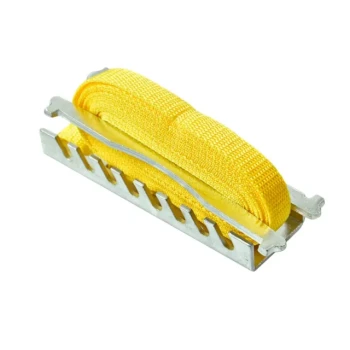
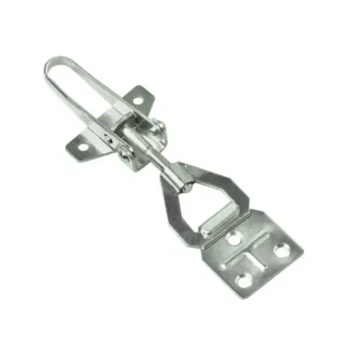
In exposed apiaries, windbreaks or protected hive locations reduce the impact of wind chill and drifting snow. Weather-resistant straps help secure hive bodies, supers, and covers during storms.
These accessories are particularly relevant for commercial apiaries and resellers serving regions with strong seasonal winds.
Supporting Winter-Survival Equipment
Feeders Build Autumn Reserves
Top feeders, Miller feeders, and high-capacity round feeders support heavy autumn feeding when colonies need to build winter stores. The correct feeder depends on hive design, colony requirements, and the beekeeper’s feeding method.
Feeders are not a substitute for adequate natural stores. Beekeepers should assess colony reserves before winter and avoid unnecessary disturbance once bees are tightly clustered.
Fondant and Winter Feeder Inserts Provide Emergency Access
Fondant slabs and specialized feeder inserts can provide supplemental food during cold weather when liquid syrup is unsuitable or difficult for bees to process. Follower-board frames and vertical feeder inserts can hold feed close to the winter cluster.
These products are most useful when they allow feeding with minimal exposure of the brood nest and cluster. They should be selected for secure placement and compatibility with the hive format.
Waterproof Hive Bodies Protect the Interior
Sound, waterproof hive bodies, covers, and bottom boards form the basic weather barrier. Winter accessories perform poorly if the underlying woodenware is cracked, warped, or unable to shed water.
For B2B buyers, winterization products should therefore be sourced alongside replacement covers, bottom boards, frames, and repair supplies where appropriate.
Matching Accessories to Hive Type and Climate
Standard Langstroth Hives
A typical winter package may include an entrance reducer, metal mouse guard, insulated outer wrap, moisture-control component, elevated stand, and hive strap.
The exact combination should be adjusted for local temperature, rainfall, wind exposure, and the hive’s ventilation design.
Top Bar Hives
Top bar hives may require rigid foam insulation, weather-resistant wraps, protected openings, and carefully positioned winter feed. Follower-board frames or vertical feeder inserts can help hold fondant or supplements near the cluster.
Because top bar layouts differ from stacked-box systems, accessories must be evaluated for fit, stability, and access to the cluster rather than selected solely by product category.
Commercial Apiaries
Commercial operations benefit from standardized winterization kits that include compatible entrance hardware, wraps, stands, straps, feeders, and replacement components. Standardization reduces installation time and simplifies stocking across multiple apiaries.
Reliable fulfillment is also important because winter preparation is seasonal and often concentrated into a narrow autumn window.
Understanding the Trade-offs
Smaller Entrances Are Not Always Better
Reducing the entrance too aggressively can restrict traffic, interfere with ventilation, or create congestion for a strong colony. Entrance size should reflect colony strength and local weather rather than follow a universal measurement.
A reducer should provide protection without trapping moisture or creating an unnecessary bottleneck.
Insulation Cannot Correct Poor Moisture Control
Wrapping a hive may conserve heat, but it does not eliminate the need for airflow and a dry, weather-resistant structure. Condensation remains a serious risk if humid air has nowhere to escape.
Insulation and ventilation must be designed as a system.
Mouse Guards Require Compatibility Checks
Guard openings must permit worker bees to pass while excluding rodents. Poorly fitted or obstructive guards can restrict bee movement, collect debris, or complicate entrance use.
Before bulk purchasing, verify dimensions and compatibility with the hive entrance, reducer, bottom board, and local pest conditions.
Feeding Equipment Requires Careful Timing
Autumn feeders are useful for building stores before sustained cold weather, while fondant or dry supplemental feed may be more suitable for emergency winter access. Liquid syrup generally becomes less practical as temperatures fall.
Feeding equipment should support the colony without requiring prolonged hive opening or excessive heat loss.
Making the Right Choice for Your Goal
Start with the entrance hardware, then add equipment according to climate, hive type, colony stores, and apiary exposure.
- If your primary focus is basic cold-weather and pest protection: Stock compatible entrance reducers and metal mouse guards as the minimum winterization package.
- If your primary focus is cold or windy climates: Add insulated hive wraps or rigid foam protection, elevated stands, weather-resistant straps, and windbreak solutions.
- If your primary focus is wet or highly variable winter conditions: Prioritize screened ventilation components, sound waterproof hive bodies, and insulation that does not obstruct moisture escape.
- If your primary focus is commercial apiary preparation: Build standardized, ready-to-install kits with entrance hardware, insulation, stands, straps, feeders, and rapid replacement support.
- If your primary focus is winter feeding security: Use high-capacity autumn feeders to build reserves, with fondant-compatible feeder inserts available for emergency cold-weather feeding.
A well-planned winterization portfolio combines entrance control, rodent exclusion, thermal protection, moisture management, stable hive placement, and dependable feeding support.
Summary Table:
| Accessory | Function | Essential for |
|---|---|---|
| Entrance Reducer | Limits cold drafts and helps colony defense | All hives |
| Mouse Guard | Blocks rodents from entering | All hives |
| Insulation Wrap | Reduces heat loss | Cold/windy climates |
| Ventilation Component | Controls moisture condensation | Wet/variable climates |
| Hive Stand | Elevates hive off damp ground | All hives (wet climates) |
| Hive Strap | Secures components during storms | Exposed apiaries |
| Autumn Feeder | Builds winter food stores | Weak stores |
| Fondant/Feeder Inserts | Emergency feed access | Cold emergencies |
Ensure your hives are winter-ready with the right supplies. HONESTBEE offers a comprehensive range of beekeeping tools and winterization equipment. Contact us today at our contact page to discuss your specific needs and benefit from our one-stop sourcing, fast delivery, and expert support for your commercial apiary or distribution business.
Related Products
- Professional Insulated Winter Hive Wrap for Beekeeping
- Durable Plastic Interlocking Hive Connector for Beekeeping
- Ergonomic Two Person Foldable Hive Lifter
- Stainless Steel J Hook Hive Tool for Beekeeping
- Professional Galvanized Hive Strap with Secure Locking Buckle for Beekeeping
People Also Ask
- What are the steps to properly wrap a beehive for winter? Ensure Your Colony Survives the Cold
- When is the best time to wrap a beehive for winter? A Guide to Perfect Winterization Timing
- How do professional insulation wraps provide protection for bee colonies? Optimize Winter Survival & Energy Efficiency
- What are the technical benefits of using winter wraps for beehive insulation? Boost Colony Survival & Hive Health
- What are the benefits of using insulated covers for hives? Ensure Colony Survival and Health