Airtight glass containers are chemically essential for honey storage due to the substance's specific physical and chemical volatility. Because honey is highly hygroscopic (water-attracting) and acidic (pH 3–4), glass provides the necessary inert barrier to prevent moisture absorption, fermentation, and container corrosion, thereby preserving the sample's original composition.
Core Takeaway: Honey is an active chemical matrix that seeks stability by absorbing water and reacting with its environment. Airtight glass neutralizes these threats, acting as a permanent, non-reactive shield that maintains the honey's enzyme activity, physicochemical properties, and safety profile over extended periods.
The Science of Preservation
Combatting Hygroscopicity
Honey is highly hygroscopic, meaning it naturally pulls moisture from the surrounding atmosphere.
If the storage container is not airtight, the honey will absorb water until it reaches equilibrium with the humidity of the air.
This dilution increases the water activity within the sample, which triggers fermentation and ultimately leads to spoilage.
Managing Acidity and Inertness
Honey is naturally acidic, with a typical pH ranging between 3 and 4.
Many storage materials react with acid over time, potentially leaching contaminants or degrading the container itself.
Glass is chemically inert, meaning it does not react with acidic components. This prevents the migration of impurities or packaging materials into the honey.
Preserving Bioactive Stability
For sample retention, the goal is to keep the "chemical fingerprint" of the honey identical to the day it was harvested.
Glass barriers effectively block oxygen permeation, protecting sensitive indicators like Hydroxymethylfurfural (HMF) content and enzyme activity.
This ensures that subsequent laboratory analyses reflect the honey's true quality rather than artifacts introduced by storage degradation.
Critical Considerations and Trade-offs
The Vulnerability to Light
While glass offers superior chemical protection, standard clear glass offers zero protection against light.
Exposure to light can rapidly degrade the color and flavor of honey, as well as destroy heat-sensitive enzymes.
To fully leverage the benefits of glass, samples must be stored in dark environments or within amber-tinted glassware.
Fragility and Weight
Glass is heavier and more fragile than plastic, posing logistical challenges during transport.
However, for sample retention and long-term banking, the physical weight is a necessary trade-off for the superior chemical stability glass provides.
Ensuring Sample Integrity
To guarantee valid results for long-term storage or laboratory analysis, apply the following standards:
- If your primary focus is Chemical Analysis: Use sterilized glass to eliminate microbial variables and prevent the migration of microplastics or chemical plasticizers into the sample.
- If your primary focus is Long-Term Storage: Ensure the seal is mechanically airtight and store the glass container in a cool, dark environment to prevent photo-oxidation.
- If your primary focus is Organic Certification: Rely on glass to meet strict safety requirements regarding material migration and purity.
Glass remains the only material that offers a complete barrier against moisture while remaining chemically invisible to the honey inside.
Summary Table:
| Feature | Requirement | Impact on Honey Quality |
|---|---|---|
| Material | Chemically Inert Glass | Prevents corrosion from acidity (pH 3-4) and avoids leaching. |
| Seal Type | Hermetically Airtight | Blocks moisture absorption to prevent fermentation and spoilage. |
| Barrier Property | Non-Reactive Shield | Protects enzyme activity and maintains HMF levels for analysis. |
| Storage Environment | Dark/Cool Location | Mitigates light-induced degradation and preserves color/flavor. |
| Sample Integrity | Sterilized Surface | Eliminates microbial variables and prevents microplastic migration. |
Secure Your Honey Quality with HONESTBEE
Preserving the chemical fingerprint of your honey requires professional-grade storage and processing solutions. As a dedicated partner to commercial apiaries and global distributors, HONESTBEE provides the industry's most comprehensive range of beekeeping tools, from precision honey-filling machines to specialized hardware and essential consumables.
Whether you are scaling your production or seeking high-quality wholesale equipment to maintain product integrity, we deliver the expertise and machinery you need to thrive. Contact us today to discover how our tailored solutions can optimize your operations and protect your brand's reputation for purity.
References
- Jose Juan Alcivar-Saldaña, María Margarita Canales-Martínez. Botanical Origin and Biological Properties of Honey and Propolis from Cuautitlan, State of Mexico, Mexico. DOI: 10.3390/antiox13070874
This article is also based on technical information from HonestBee Knowledge Base .
Related Products
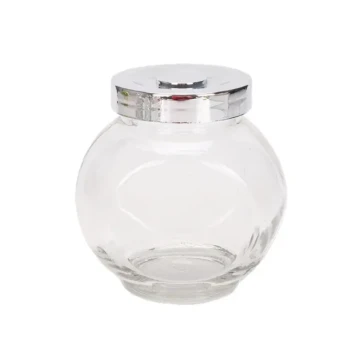
- Classic Drum Shaped Glass Honey Jar with Airtight Lid
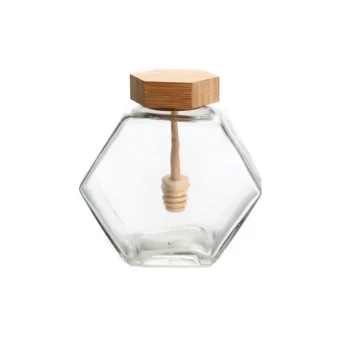
- Hexagonal Glass Honey Jar with Wooden Lid Integrated Dipper Elegant Functional Storage
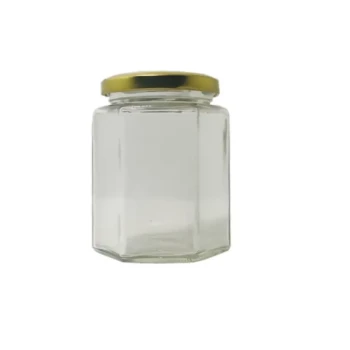
- Hexagonal Glass Honey Jars with Metal Lug Caps Elegant Versatile Packaging
- Classic Glass Honey Jar with Metal Lug Cap for Beehive Storage
- Modern Square Glass Honey Jar with Twist Off Lid
People Also Ask
- What is the best utensil to store honey? Preserve Purity with the Right Container
- How does the appearance of glass jar packaging affect the sales and perception of honey? Boost Your Premium Brand Value
- Why is a glass jar preferred for packaging honey? Ultimate Protection for Purity & Flavor
- What is the aesthetic appeal of using glass jars for honey? Elevate Your Brand with Premium Packaging
- What are the advantages of glass containers for honey? Elevate Quality and Market Value with Premium Packaging