Candy boards are considered essential because they function as a high-energy, solid emergency food source specifically designed for extreme cold. Unlike standard feeding methods, these boards are placed at the very top of the hive, providing accessible nutrition when low temperatures render the bee cluster immobile and unable to reach honey stored elsewhere in the hive.
While insulation reduces the rate of honey consumption, candy boards solve the specific tactical problem of accessibility. They prevent "isolation starvation"—a scenario where a colony dies of hunger while surrounded by food—by placing energy exactly where the heat and the bees naturally migrate.
The Mechanics of Winter Starvation
The Mobility Paradox
In deep winter, honey bees do not hibernate; they form a tight cluster to generate heat. The survival of this cluster depends on its ability to access fuel (honey).
However, in extreme cold, the cluster becomes physically unable to break formation to travel to honey frames located at the bottom or outer sides of the hive.
Addressing Isolation Starvation
This leads to a phenomenon where a colony can perish from starvation despite having ample food stores just inches away.
The candy board solves this by offering a solid block of sugar directly above the cluster. Because heat rises, the cluster naturally moves upward, ensuring they eventually make contact with this emergency food source without breaking their thermal lock.
Secondary Function: Environmental Control
The Danger of Condensation
While the primary reference highlights nutrition, supplementary data indicates that moisture is an equally lethal threat in cold regions. As bees consume honey to generate heat, they respire, creating warm, moist air.
If this moisture hits a cold inner cover, it condenses and drips back down onto the cluster. Wet bees in winter conditions will freeze to death rapidly.
The Absorbent Buffer
A candy board acts as a passive moisture management tool. The sugar block is hygroscopic, meaning it naturally absorbs moisture from the air within the hive.
This serves a dual purpose: it prevents lethal condensation from dripping onto the bees, and the absorbed moisture softens the candy, making it easier for the bees to consume.
Understanding the Trade-offs
Emergency Use vs. Primary Nutrition
It is critical to understand that a candy board is an emergency failsafe, not a replacement for proper autumn preparation.
Honey remains the superior food source for bee health. Relying solely on candy boards without ensuring adequate natural stores can lead to nutritional deficiencies over time.
The Role of Insulation
A candy board is most effective when used in conjunction with proper exterior insulation.
As noted in the supplementary data, insulation minimizes heat loss, reducing the total caloric burn required by the colony. Without insulation, the colony may consume the candy board too quickly, exhausting their emergency reserve before spring arrives.
Making the Right Choice for Your Goal
To maximize winter survival rates, assess your hive setup based on these priorities:
- If your primary focus is preventing starvation: Ensure the candy board is placed directly beneath the top cover or insulation layer, serving as the final destination for the upward-moving cluster.
- If your primary focus is moisture control: Utilize the candy board in combination with proper ventilation features on the inner cover to capture rising humidity before it condenses.
By integrating candy boards as both a nutritional safety net and a humidity buffer, you significantly reduce the two most common causes of winter colony collapse.
Summary Table:
| Feature | Benefit for Overwintering | Purpose |
|---|---|---|
| Strategic Placement | Located at the top of the hive | Ensures access to food as the cluster migrates upward |
| Physical State | Solid, high-energy sugar block | Provides emergency fuel when liquid feeding is impossible |
| Hygroscopic Nature | Absorbs rising hive moisture | Prevents lethal condensation from dripping on the cluster |
| Thermal Efficiency | Works with rising heat | Minimizes energy expenditure for bees to reach nutrition |
Secure Your Apiary's Winter Survival with HONESTBEE
Don't let cold-weather isolation starvation or moisture buildup compromise your colony's health. HONESTBEE provides commercial apiaries and distributors with the professional-grade tools needed to thrive. From high-capacity hive-making machinery to essential winter consumables, we offer a comprehensive wholesale portfolio designed for large-scale success.
Why partner with HONESTBEE?
- Full Spectrum Supply: We deliver everything from specialized honey-filling machines to core beekeeping hardware.
- Commercial Expertise: Our products are tailored to the rigorous demands of professional beekeeping operations.
- Global Distribution: We support distributors with reliable inventory and industry-leading equipment.
Ensure your hives are prepared for the harshest conditions. Contact us today to discuss your wholesale equipment needs and see how our expertise can strengthen your beekeeping business.
References
- Robyn M. Underwood, Margarita M. López‐Uribe. Organic colony management practices are profitable for backyard beekeepers. DOI: 10.1093/jee/toaf133
This article is also based on technical information from HonestBee Knowledge Base .
Related Products
- Langstroth Solid Bottom Board for Beekeeping
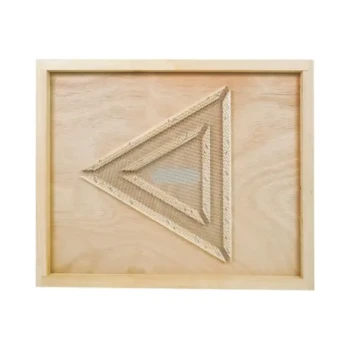
- HONESTBEE Wooden Bee Escape Board with Triangle Mesh Design for Beekeeping
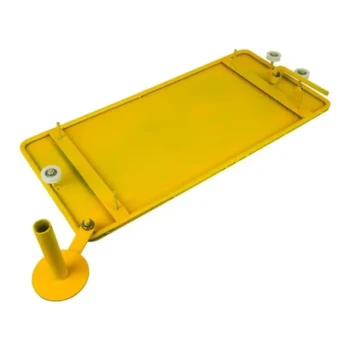
- HONESTBEE Durable Frame Wiring Board with Integrated Tensioner
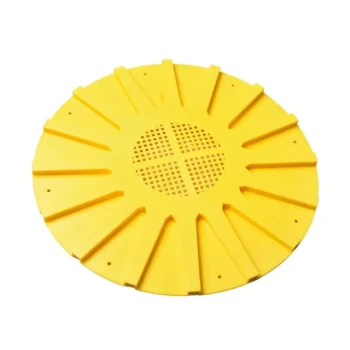
- HONESTBEE Multi Exit Plastic Bee Escape Board for Efficient Honey Harvesting
- Modern Flat-Mount Hive Number Set for Beekeeping
People Also Ask
- What are the functions of solid bottom boards for a beehive? Essential Thermal Protection and Winter Survival Tips
- What is the purpose of a solid bottom board for bee hives? Enhance Hive Health and Winter Survival
- How does climate influence the choice between a solid and screened bottom board? Optimize Your Hive for Local Weather
- What is the primary function of a bottom board in a modern modified beehive system? Essential Foundation Guide
- What are the characteristics of a solid bottom board for a beehive? Boost Colony Health and Thermal Insulation