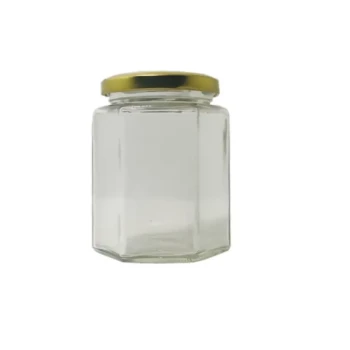
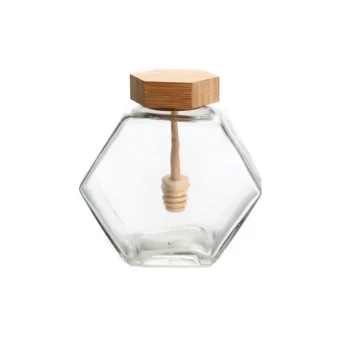
The long-term preservation of bee products relies on completely isolating the sample from environmental stressors. Dark wide-mouth sealed jars are necessary because they provide a critical physical barrier that prevents oxidation and blocks the absorption of ambient moisture. Furthermore, the dark tint filters out light, protecting sensitive bioactive ingredients from degradation.
Preserving bee products is not just about containment; it is about stabilizing chemical activity. Dark sealed jars effectively halt photo-degradation and moisture exchange, ensuring the sample remains chemically identical to the day it was harvested.
The Mechanisms of Protection
To understand why specific glassware is required, one must look at the chemical vulnerabilities of bee products like honey and pollen.
Preventing Photo-Degradation
Light is a primary catalyst for chemical breakdown in organic substances. The dark design of these jars is not an aesthetic choice; it is a functional shield.
It protects phenolic compounds and antioxidant bioactive ingredients found in bee products. Continuous exposure to light causes these components to undergo photo-degradation, which fundamentally alters the sample's stability and integrity.
Stopping Oxidation and Moisture
The airtight seal provided by these jars addresses two distinct threats: oxidation and hygroscopy (moisture absorption).
Oxygen exposure leads to chemical changes that can degrade the quality of the product. Simultaneously, bee products often attract moisture from the air, which can lead to spoilage or fermentation. A robust seal eliminates these variables, preserving the sample for accurate analysis.
Understanding the Limitations
While dark sealed jars are the first line of defense, they are not a "magic bullet" for all preservation scenarios. You must consider factors beyond light and air.
The Temperature Factor
Jars protect against light and air, but they do not insulate against heat. For certain bee products, such as bee pollen, room-temperature storage in a jar is insufficient.
Even when dehydrated and sealed, bioactives and lipid components in pollen can undergo slow oxidation or spoilage if kept warm. To inhibit these chemical reaction rates, samples often require storage in freezers at -20°C.
Making the Right Choice for Your Goal
Selecting the correct preservation method depends on the specific biological characteristics you are trying to protect.
- If your primary focus is preserving honey antioxidants: Prioritize dark glass to prevent photo-degradation of phenolic compounds and maintain sample stability.
- If your primary focus is preserving pollen lipids: Combine sealed packaging with freezing at -20°C to fully inhibit chemical reaction rates and spoilage.
Proper storage is the only way to guarantee that the data you analyze reflects the true quality of the original product.
Summary Table:
| Preservation Factor | Mechanism of Action | Impact on Bee Products |
|---|---|---|
| Dark Tint | Filters UV and ambient light | Prevents degradation of phenolic compounds and antioxidants |
| Airtight Seal | Blocks oxygen and moisture | Stops oxidation, spoilage, and unwanted fermentation |
| Wide-Mouth Design | Facilitates easy access/filling | Minimizes product handling and physical degradation |
| Cold Storage | Slows chemical reaction rates | Crucial for preserving lipids in pollen (recommended -20°C) |
Secure Your Bee Product Quality with HONESTBEE
Preserving the bioactive integrity of honey and pollen requires professional-grade equipment. HONESTBEE specializes in supporting commercial apiaries and distributors with a comprehensive range of beekeeping tools, specialized machinery, and premium packaging solutions.
Whether you need industrial honey-filling machines to ensure airtight precision or durable hardware to manage your harvest, our wholesale portfolio is designed to maximize your efficiency and product shelf-life.
Ready to elevate your apiary operations? Contact us today to discover how our industry-leading equipment and consumables can add value to your business.
References
- Mahani, Bambang Nurhadi. EVALUATE ANTIOXIDANT ACTIVITY, PHENOLIC CONTENT AND COLOUR OF INDONESIAN STINGLESS BEE HONEY AND STING BEE HONEY CULTIVATED IN INDONESIA. DOI: 10.22159/ajpcr.2022.v15i11.46091
This article is also based on technical information from HonestBee Knowledge Base .
Related Products
- Hexagonal Glass Honey Jars with Metal Lug Caps Elegant Versatile Packaging
- Hexagonal Glass Honey Jar with Wooden Lid Integrated Dipper Elegant Functional Storage
People Also Ask
- What is the aesthetic appeal of using glass jars for honey? Elevate Your Brand with Premium Packaging
- What are the logistical challenges associated with using glass jars for honey packaging? Navigating Weight & Fragility
- What are the advantages of glass containers for honey? Elevate Quality and Market Value with Premium Packaging
- What are the technical advantages of using glass jars for honey? Master Commercial Packaging for Premium Purity
- What are the advantages of using glass jars for honey packaging? Preserve Purity & Elevate Your Brand