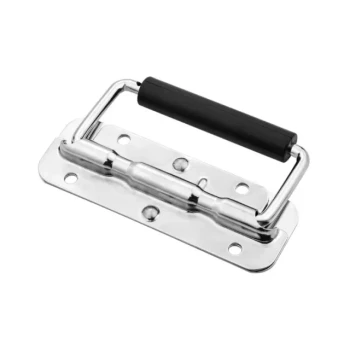
Durable hive hardware and disease-control consumables are essential because they protect both colony survival and commercial continuity. Heavy-duty hive boxes, secure fasteners, ventilation systems, and stable frames reduce damage during repeated transport, while biosecurity supplies and disease-management products help control pests and pathogens introduced across regions. Together, they allow commercial beekeepers to move colonies efficiently, maintain production, and reduce preventable losses.
Migratory beekeeping depends on two systems working together: hardware must keep colonies physically stable during movement, and disease-control consumables must preserve their biological health after entering new environments. Reliable sourcing of both is therefore a productivity, risk-management, and supply-continuity requirement.
Why Migratory Operations Face Greater Risk
Repeated transport stresses the hive
Commercial colonies may be loaded, unloaded, and transported several times each year while following changing floral blooms. Vibration, rough terrain, stacking pressure, and sudden handling can loosen hive components, damage combs, and disturb the colony.
A damaged hive is more than a repair expense. It can cause bee leakage, crushed bees, queen injury, comb collapse, overheating, or delays in restarting production at the next site.
New locations create new exposure
Moving colonies between regions can expose them to different pest pressures, pathogens, and management conditions. Equipment, vehicles, forage areas, and contact with other apiaries can all become points where biosecurity controls matter.
Large commercial operations are especially vulnerable because a localized problem can spread across many colonies quickly if inspection, isolation, and treatment procedures are inconsistent.
Timing affects revenue
Migratory beekeeping is organized around limited flowering windows. If colonies arrive weak, suffer transport losses, or require extended recovery, the operation may miss the most valuable nectar flow or provide less effective pollination.
Durable equipment and dependable disease-control supplies help preserve the timing advantage that makes migration commercially worthwhile.
How Durable Hive Hardware Protects Commercial Colonies
Strong boxes withstand repeated handling
Heavy-duty wooden hive boxes with secure corner joints are better suited to frequent loading, unloading, stacking, and movement across uneven roads. Structural strength helps maintain alignment and reduces the risk of hive bodies shifting or separating.
For distributors and resellers, this makes robust boxes a foundational product rather than an optional upgrade for professional customers.
Fasteners and straps prevent movement
Hive locking mechanisms, straps, and reinforcement connectors keep boxes stable during transit. They help prevent tipping, component separation, bee leakage, and crushing caused by shifting hive parts.
Secure fastening also reduces agitation inside the colony, supporting a faster return to normal activity after arrival.
Ventilation reduces heat-related losses
Transport covers, screens, and ventilation windows are critical when colonies are confined during long-distance movement. Adequate airflow helps reduce overheating and smothering, particularly when hives are densely loaded or transported in warm conditions.
Ventilation must be paired with secure construction. Openings should support airflow without creating avoidable escape routes or allowing components to shift.
Stable frames protect comb and brood
Sturdy movable frames help prevent comb collapse during vibration and sudden movement. They also reduce the risk of queen injury and preserve the brood nest.
Movable-frame systems provide an operational advantage beyond transport: beekeepers can inspect, standardize, rearrange, and manage colonies efficiently across a large apiary.
Modular equipment improves scalability
Stackable boxes and standardized frames make it easier to load vehicles, organize colonies, and adjust hive configurations at different production sites. Standardization reduces handling time and simplifies replacement planning.
For commercial buyers, compatibility across the product range is as important as individual component strength.
Why Disease-Control Consumables Are Equally Important
Biosecurity must continue after transport
Physical protection cannot prevent every biological threat. Migratory operations need consumables and disease-management supplies to support quarantine, inspection, sanitation, and controlled treatment programs.
These products help beekeepers respond when colonies arrive in a new region or when signs of pests and disease appear during routine checks.
Quarantine limits spread
Newly moved, returning, or suspect colonies may need to be separated from the wider apiary while their condition is assessed. Quarantine supplies support this process by helping operators establish controlled handling and reduce unnecessary colony-to-colony contact.
The objective is not simply to treat disease after it appears, but to prevent a problem in one group from becoming an operation-wide event.
Consumables support consistent monitoring
Large apiaries require repeatable inspection routines. Disease-control consumables help teams carry out checks, document findings, and apply management procedures consistently across many colonies and locations.
Consistency is critical because migratory operations often involve multiple crews, sites, transport stages, and seasonal deadlines.
Correct treatment protects productivity
When disease or pest pressure is confirmed, appropriate control products can help protect colony strength and maintain production capacity. However, treatments must be selected and used according to local regulations, product labeling, target pests or diseases, and applicable residue requirements.
Disease-control products are not substitutes for sound husbandry. They work best alongside inspection, sanitation, hive separation, and good transport practices.
The Commercial Value of One-Stop Sourcing
Hardware and consumables are operationally linked
A beekeeper may need replacement straps, ventilation covers, frames, fasteners, inspection tools, and disease-control supplies during the same migration cycle. Sourcing these items separately can create delays, compatibility problems, and fragmented purchasing.
A full-spectrum supplier can provide a more coordinated solution, helping customers prepare for transport, arrival, inspection, and ongoing colony management.
Availability matters during narrow bloom windows
Migratory beekeeping operates against biological schedules. A missing component or delayed consumable can disrupt loading, postpone treatment, or cause colonies to miss a flowering period.
Rapid response, accurate stock information, and efficient order fulfillment therefore have direct operational value for commercial customers.
Product expertise reduces purchasing risk
Professional buyers need more than a catalog. They may require guidance on compatible hardware, ventilation requirements, replacement planning, packaging, order consolidation, and appropriate product categories for different operating conditions.
Dedicated customer service and technical expertise help distributors and beekeepers select complete, workable systems rather than isolated products.
Reliable supply supports reseller relationships
For wholesalers and B2B resellers, dependable sourcing improves their ability to serve commercial apiaries without maintaining excessive inventory across every product category. Fast delivery and responsive communication also help them manage seasonal demand and urgent replenishment.
The strongest supplier relationship combines product breadth with dependable execution.
Understanding the Trade-offs
Durable hardware can cost more initially
Heavy-duty boxes, reinforced connectors, and stronger frames typically require a higher upfront investment than light-duty alternatives. The relevant comparison, however, is total operating cost: damage, replacement, bee loss, labor, and missed production can outweigh the initial price difference.
Buyers should evaluate service life and transport reliability, not purchase price alone.
Ventilation is a system-design issue
Adding ventilation openings without considering weather, stacking, security, and bee containment can create new problems. Equipment should be selected as part of an integrated transport setup rather than as disconnected components.
Loading density, journey duration, temperature, and local operating practices also affect ventilation requirements.
Disease control requires discipline
Consumables cannot compensate for poor quarantine, inadequate inspection, or uncontrolled equipment sharing. Incorrect product selection, misuse, or failure to follow labels can also reduce effectiveness and create regulatory or residue concerns.
Commercial operators should maintain documented protocols and ensure that staff understand them.
Standardization must account for compatibility
A broad product range is valuable only when components work together. Frames, boxes, fasteners, covers, and transport equipment should match the hive format and operating method used by the customer.
Distributors should verify specifications before recommending substitutions or combining products from different systems.
Making the Right Choice for Your Goal
The most effective procurement strategy connects physical protection, disease prevention, and supply reliability.
- If your primary focus is colony survival during transport: Prioritize strong hive boxes, secure locking hardware, reliable straps, stable frames, and properly designed ventilation equipment.
- If your primary focus is disease prevention: Build a consistent program around inspection, quarantine, sanitation, and legally approved disease-control consumables.
- If your primary focus is honey production and pollination performance: Use standardized, transport-ready hive systems that minimize disruption and help colonies resume activity quickly at each bloom.
- If your primary focus is wholesale or resale efficiency: Choose a supplier with a full-spectrum portfolio, responsive service, technical expertise, consolidated sourcing, and fast order fulfillment.
- If your primary focus is reducing operating risk: Maintain planned replacement inventory for high-wear hardware and recurring disease-control consumables before the migration season begins.
With the right hardware, biosecurity supplies, and supplier support, migratory beekeeping becomes a more controlled and dependable commercial operation.
Summary Table:
| Aspect | Durable Hive Hardware | Disease-Control Consumables |
|---|---|---|
| Primary Role | Physical protection during transport | Biological health management |
| Key Products | Heavy-duty boxes, straps, ventilation, frames | Quarantine kits, inspection tools, treatments |
| Core Benefit | Reduces damage, bee loss, and downtime | Prevents pest/pathogen spread and production loss |
| Operational Impact | Supports efficient loading/unloading | Enables consistent monitoring and treatment |
| Sourcing Strategy | Standardized, compatible systems | Reliable supply with fast delivery |
Secure Your Migratory Beekeeping Operations with HONESTBEE
From heavy-duty hive hardware to essential disease-control consumables, HONESTBEE offers a full spectrum of beekeeping tools, machinery, and supplies tailored for commercial apiaries and distributors. Our one-stop sourcing, rapid response, and ultra-fast delivery ensure you never miss a bloom window. Contact us today to streamline your supply chain and boost your operational efficiency. Get in touch now to discuss your wholesale needs and discover how we support your success.
Related Products
- HONESTBEE Premium Italian Style Hive Tool with Hardwood Handle
- Professional Stainless Steel Pry-Bar Hive Tool
- HONESTBEE Classic Pry Bar Hive Tool with High Visibility Finish for Beekeeping
- HONESTBEE Professional Long Handled Hive Tool with Precision Cutting Blade
- Durable Plastic Interlocking Hive Connector for Beekeeping
People Also Ask
- What distinguishes an Italian hive tool? Master High-Leverage Beekeeping with This Extra-Long Design
- Which intervention materials and management tools are used in commercial apiaries? Protect Your Bees from Pesticides
- What are the common construction features of hive tools? Key Insights for Superior Beekeeping Efficiency
- What are the different types of hive tools available? Choose the Right Tool for Your Apiary
- How do hive tools and queen rearing equipment facilitate the bee colony splitting process? Restore Your Apiary Faster