Elevated beehive stands are the first line of defense for a vulnerable colony during its breeding phase. By raising the hive structure approximately 30 to 40 cm above the ground, these stands physically isolate the bees from soil moisture and ground-based pests. This elevation is not merely convenient; it is a biological necessity for establishing the ventilation and hygiene required for high breeding success rates.
The breeding phase demands a stable, contaminant-free environment. Elevation serves as a critical control measure, preventing the ground intrusion and moisture buildup that commonly lead to disease or colony abandonment.
Creating a Sanitary Environment
Combating Moisture Infiltration
Direct contact with the ground allows moisture to seep into the hive structure. This dampness promotes the growth of mold and bacteria, which are lethal to developing brood.
Elevation breaks this moisture bridge, ensuring the internal environment remains dry and suitable for rearing larvae.
Enhancing Airflow
A hive sitting on the ground often suffers from stagnant air. Raising the hive improves ventilation at the bottom, facilitating the removal of waste gases and excess humidity.
This airflow is essential for maintaining the strict hygiene standards required for healthy larvae development.
The Imperative of Pest Exclusion
Blocking Crawling Predators
The breeding phase is energy-intensive, leaving the colony vulnerable to intruders.
Stands serve as a physical barrier against termites, ants, and small hive beetles. Without this vertical gap, these pests can easily breach the hive defenses and attack the brood.
Preventing Colony Absconding
When pests successfully invade, the stress on the colony can become unmanageable.
This often triggers absconding, a phenomenon where the bees abandon the hive entirely to seek a safer location. Securing the hive on a stand preserves the continuity of the breeding and production cycles.
Understanding the Trade-offs
Stability vs. Height
While elevation is necessary, excessive height can introduce instability during high winds or during heavy honey production.
The recommended 30 to 40 cm range offers the optimal balance between effective pest exclusion and physical stability. Going higher than this increases the risk of the hive tipping over.
Material Durability
Stands are the interface between the hive and the soil, making them prone to rot and decay.
If the stand material degrades, it risks collapsing the entire hive infrastructure. Regular inspection of the stand's integrity is as important as inspecting the hive itself.
Prioritizing Your Management Strategy
To maximize the benefits of hive elevation, align your setup with your specific colony goals:
- If your primary focus is rapid colony expansion: Ensure the stand allows for unobstructed bottom ventilation to support the high metabolic activity of a growing brood.
- If your primary focus is colony retention: Prioritize the height and material of the stand to create an impenetrable barrier against ants and termites, preventing absconding.
A secure foundation allows the colony to focus its energy on reproduction rather than defense and repair.
Summary Table:
| Feature | Recommended Range / Benefit | Impact on Breeding Success |
|---|---|---|
| Optimal Height | 30 to 40 cm | Balances pest defense with hive stability |
| Moisture Control | Breaks soil contact | Prevents mold, rot, and bacterial growth in brood |
| Airflow | Bottom-up ventilation | Regulates humidity and removes toxic waste gases |
| Pest Barrier | Physical vertical gap | Blocks ants, termites, and small hive beetles |
| Material Choice | High durability/Rot-resistant | Prevents infrastructure collapse and colony stress |
Elevate Your Apiary Operations with HONESTBEE
Successful commercial beekeeping begins with a foundation of durability and precision. At HONESTBEE, we specialize in supporting commercial apiaries and distributors with high-performance equipment designed to protect your investment. Whether you need robust hive-making machinery, specialized honey-filling systems, or a steady supply of essential consumables, we provide the tools you need to maximize breeding success.
Why partner with HONESTBEE?
- Comprehensive Wholesale Range: From hardware to honey-themed cultural merchandise.
- Industry-Leading Durability: Equipment built to withstand the rigors of commercial use.
- Global Supply Chain: Reliable machinery and tool delivery tailored for distributors.
Ready to scale your production? Contact us today to discover how our wholesale solutions can strengthen your colony management strategy.
References
- Vladimir Saranchin, Bogdan Krivosheya. IMPROVING THE ECONOMIC AND PHYSICO-BIOLOGICAL EFFICIENCY OF BEE PRODUCTION. DOI: 10.55186/2413046x_2024_9_7_313
This article is also based on technical information from HonestBee Knowledge Base .
Related Products
- Professional Ant-Proof Beehive Stand with Integrated Moat for Beekeeping
- Metal Hive Feet Bee Hive Stand for Ant Protection
- Metal Bee Hive Stand Bee Box Stand for Beekeeping
- Plastic Bee Hive Stand for Beekeeping
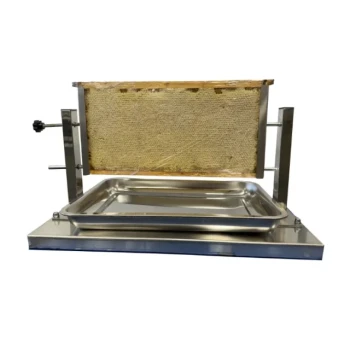
- Professional Adjustable Stainless Steel Honeycomb Display Stand
People Also Ask
- What physical protection advantages do individual hive stands provide against Small Hive Beetles? Secure Your Apiary
- Why are specialized ant-proof stands necessary for Africanized honeybee apiaries? Prevent Absconding in Semi-Arid Regions
- Why are specialized beehive stands or protective barriers necessary for pest management in apiaries? Secure Your Colony
- What are the benefits of elevating a bee hive with a stand or base? Protect Your Colony and Your Back
- What to stand a beehive on? The Best Foundation for a Healthy, Manageable Apiary