High-definition industrial endoscope cameras are the standard for modern, non-invasive apiary inspection. These devices bridge the gap between necessary observation and colony stability by using ultra-compact optics and integrated lighting to navigate the dark, confined spaces of a hive. This technology allows beekeepers to inspect critical health markers like larvae and eggs without the stress and disruption caused by dismantling the hive structure.
The core value of an industrial endoscope lies in its ability to provide high-fidelity visual data from deep within the hive's "dark zone" while eliminating the physical disruption associated with traditional frame removal.
Overcoming Physical Constraints
The architecture of a beehive presents significant physical barriers to observation. Industrial endoscopes are specifically engineered to bypass these barriers.
Navigating Tight Spaces
The primary advantage is the form factor. These cameras typically feature a small diameter, often around 8mm.
This slim profile allows the camera to slide effortlessly between frames and combs. It grants access to the internal structure without crushing bees or damaging the wax.
Precision Control via Semi-Rigid Cables
Unlike soft, flexible wires that can become difficult to steer, industrial endoscopes utilize semi-rigid cables.
This rigidity is crucial for "pushing" the camera deep into the hive. It allows the operator to direct the lens toward specific areas of interest rather than having the camera flop aimlessly against the comb.
Solving the Visibility Challenge
A beehive is naturally a pitch-black environment. Without specialized equipment, internal visual inspection is impossible without opening the box.
Illuminating the Void
Endoscopes address this with integrated, adjustable LED lighting.
This feature is essential for cutting through the total darkness inside the hive box. It illuminates the comb surface, revealing details that would otherwise remain hidden in shadow.
High-Definition Diagnostics
The shift to High-Definition (HD) sensors is not just about image quality; it is about diagnostic capability.
The clarity provided by HD optics enables the identification of minute details. Beekeepers can clearly observe eggs, larvae, and bee activity to assess colony health. It also allows for the inspection of propolis deposition, offering insights into how the colony is sealing and managing its environment.
Understanding the Trade-offs
While endoscopes offer a powerful non-invasive tool, they are not a complete replacement for all beekeeping tasks.
The "Keyhole" Perspective
Endoscopes provide a highly focused, narrow field of view.
You are seeing the hive through a "keyhole," which can make it difficult to get a holistic view of the colony's population density in a single glance. It requires patience to scan effectively.
Maneuverability Limits
While semi-rigid cables offer control, navigating a densely populated hive requires a steady hand.
There is a learning curve involved in manipulating the camera to get the right angle on the comb without bumping into bees or coating the lens in honey or propolis.
Making the Right Choice for Your Goal
When deciding how to integrate this tool into your apiary management, consider your specific inspection objectives.
- If your primary focus is Routine Health Monitoring: Rely on the endoscope to spot-check for the presence of eggs and larvae to confirm a laying queen without opening the hive.
- If your primary focus is Detailed Structural Assessment: Use the semi-rigid cable to probe deep corners for propolis build-up or moisture issues that are hard to reach visually.
- If your primary focus is Full Population Census: Acknowledge the limits of the camera's field of view and utilize traditional inspections for broad population estimates.
By leveraging the optical precision and lighting of industrial endoscopes, you gain the ability to monitor vital colony metrics while respecting the sanctity of the hive structure.
Summary Table:
| Feature | Benefit for Beekeeping |
|---|---|
| 8mm Slim Diameter | Navigates tight spaces between frames without crushing bees or damaging wax. |
| Semi-Rigid Cable | Provides precision steering to reach specific areas of interest deep within the hive. |
| Integrated LED Lighting | Illuminates the pitch-black hive interior for clear visual data. |
| High-Definition (HD) Sensor | Enables identification of minute details like eggs, larvae, and health markers. |
| Non-Invasive Design | Reduces colony stress by eliminating the need to dismantle the hive for routine checks. |
Elevate Your Apiary Management with HONESTBEE
At HONESTBEE, we understand that commercial apiaries and distributors require precision tools to maintain colony health and operational efficiency. We provide a comprehensive wholesale range of professional beekeeping machinery, tools, and consumables—from advanced hive-making equipment to specialized monitoring technology.
Why partner with us?
- Comprehensive Supply: Access everything from honey-filling machines to essential industry consumables.
- Tailored for Professionals: Our portfolio is specifically curated for large-scale operations and distributors.
- Expert Support: We help you integrate modern technology like HD endoscopes into your inventory or operations.
Ready to scale your beekeeping business with high-quality equipment? Contact us today to discuss your wholesale needs!
References
- Andrzej Szczurek, Piotr Batog. Monitoring System Enhancing the Potential of Urban Beekeeping. DOI: 10.3390/app13010597
This article is also based on technical information from HonestBee Knowledge Base .
Related Products
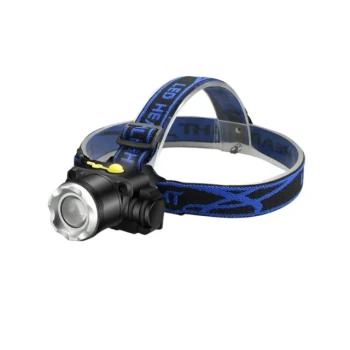
- Professional Rechargeable Beekeeping Headlamp Flashlight with Red Light Mode and Type-C Charging
- HONESTBEE AC Powered Wire Embedder with Alligator Clips
- HONESTBEE Adjustable Voltage Wire Embedder with Digital Display
- Heavy-Duty Ergonomic Grip Galvanized Pollen Shovel
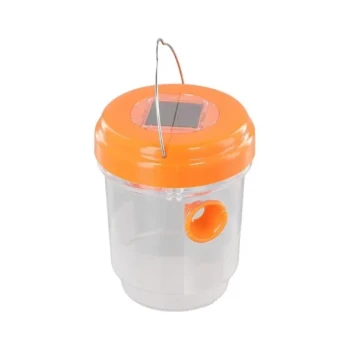
- Solar Powered LED Wasp Trap
People Also Ask
- What are the advantages of using red light sources for African honey bees? Enhance Safety and Colony Health
- Why is a Red-light Flashlight necessary for the nighttime transportation of bee colonies? Enhance Hive Safety & Success
- What are the main products obtained from beekeeping? Honey, Beeswax, and Vital Pollination Services
- What is the primary function of a cylinder-shaped wood mold? Essential Tools for Quality Queen Rearing
- How can beekeeping supplies and accessories enhance the hobby? Essential Tools for Safe & Rewarding Beekeeping