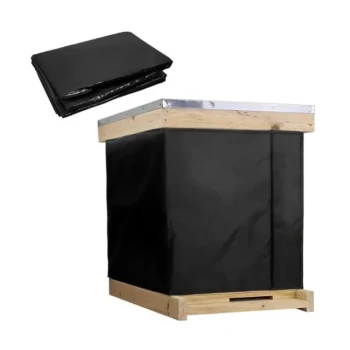
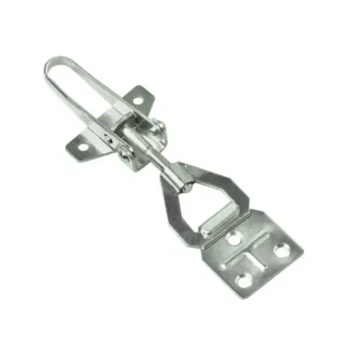
Hive insulation and ventilation adjustment components function as a critical microclimate control system for overwintering colonies. Insulation minimizes the energy bees must expend to generate heat, while adjustable ventilation actively removes dangerous moisture and metabolic waste gases to ensure colony survival.
The synergy between these components is vital: insulation conserves the colony's energy reserves, while ventilation prevents the lethal accumulation of humidity. Together, they create a stable environment that directly reduces the risk of mold, disease, and winter mortality.
The Physiology of Winter Survival
The Role of Energy Conservation
Honeybees do not hibernate; they vibrate their wing muscles to generate heat. This requires fuel in the form of stored honey.
High-quality insulation layers act as a thermal barrier. By retaining the heat generated by the cluster, the colony burns through fewer energy reserves.
This conservation is critical because if bees exhaust their honey stores to fight the cold, the colony will starve before spring.
Managing Moisture and Waste
As bees consume honey to create heat, they metabolize it and exhale moisture and waste gases.
Without proper ventilation components, this moisture condenses on cold hive walls and drips back onto the bees.
Wet bees in winter lose body heat rapidly and are highly susceptible to freezing.
Disease Prevention
A damp hive is a breeding ground for pathogens.
The combination of insulation and ventilation prevents the high-humidity environment that fosters mold and bee diseases.
By keeping the interior dry and the air circulating, you reduce stress on the bees' immune systems and lower the risk of intestinal issues.
Understanding the Trade-offs
The Balance of Heat vs. Airflow
While both components are essential, they can work against each other if not managed correctly.
Over-ventilating a hive drafts out the precious heat the bees are working to generate, forcing them to consume more food.
Over-insulating without adequate airflow creates a "sauna effect," trapping moisture that leads to condensation and mold growth.
The Value of Standardization
Using standardized, high-quality components eliminates environmental variables.
This uniformity ensures that the physical environment is consistent, allowing you to attribute colony health or failure to biological factors rather than hardware inconsistencies.
Optimizing Your Wintering Strategy
To maximize survival rates, you must adjust your hardware based on your specific environmental conditions.
- If your primary focus is Energy Conservation: Prioritize high R-value insulation to minimize the metabolic load on the colony, ensuring food stores last through spring.
- If your primary focus is Disease Prevention: Ensure your ventilation components are adjustable to aggressively vent moisture, keeping the internal environment dry to inhibit mold and bacterial growth.
Success in wintering management comes not from choosing one over the other, but from tuning both components to maintain a dry, thermally stable microclimate.
Summary Table:
| Component | Primary Function | Main Benefit | Risk of Absence |
|---|---|---|---|
| Insulation | Thermal barrier & heat retention | Reduces honey consumption; prevents starvation | Rapid heat loss & cluster exhaustion |
| Ventilation | Moisture & gas exchange | Prevents condensation, mold, and disease | Damp environment & freezing mortality |
| Adjustment Tools | Microclimate tuning | Balances heat vs. airflow for local climates | Inconsistent hive conditions & colony stress |
Maximize Your Colony Survival with HONESTBEE
Success in wintering management requires the right balance of thermal stability and moisture control. As a leading partner for commercial apiaries and distributors, HONESTBEE provides the professional-grade beekeeping tools and machinery needed to scale your operations and protect your investments.
From high-performance hive components to specialized honey-filling machines and essential industry consumables, we offer a comprehensive wholesale portfolio tailored to your success.
Ready to upgrade your apiary’s efficiency? Contact us today to explore our wholesale solutions and secure the equipment your business needs to thrive.
References
- Mariia Fedorіak, O. D. Zarochentseva. Results of Annual Monitoring of Honey Bee Colony Winter Losses in Ukraine: Winter 2019–2020. DOI: 10.26565/1992-4259-2021-25-10
This article is also based on technical information from HonestBee Knowledge Base .
Related Products
- Inner Beehive Cover for Beekeeping Bee Hive Inner Cover
- Stainless Steel Round Beehive Air Vents for Ventilation
- Professional Insulated Plastic Bee Hives
- Professional Insulated Winter Hive Wrap for Beekeeping
- Steel Round Disc Entrance Reducer for Flexzion Bee Hive Nuc Box Gate
People Also Ask
- What is the purpose of the inner cover in a beehive? A Key to Hive Health & Easy Management
- What is the function and placement of an inner cover in a beehive? Essential Hive Management Guide
- What is the purpose of the inner and outer covers in a beehive? Essential for Hive Health & Management
- What is a beehive's inner cover and how is it used? Essential Guide for Hive Insulation and Ventilation
- What are the functions of the inner and outer covers on a beehive? Essential Guide for Hive Protection and Management