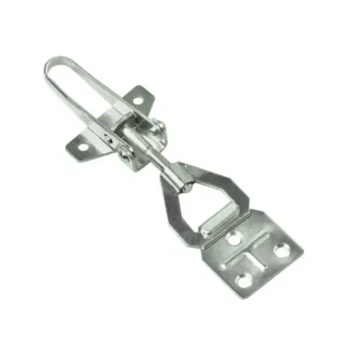
Hive isolation and protection devices serve as a critical physical firewall between managed bee colonies and toxic agricultural environments. Their primary function is to temporarily restrict foraging activities when nearby crops undergo chemical treatment, effectively blocking bees from contacting pesticides that would otherwise cause immediate and catastrophic mortality.
By physically confining bees during high-risk windows, these devices act as a necessary intervention to protect colony assets and ensure the continuity of production in zones where agriculture and apiaries intersect.
The Core Purpose: Preventing Toxic Exposure
The fundamental reason for employing these devices is to manage the immediate lethal risk posed by chemical pesticides.
Restricting Foraging Activity
The primary mechanism of these devices is the creation of a temporary physical barrier.
By preventing bees from leaving the hive, the device ensures they do not forage on or near crops actively being sprayed. This eliminates the pathway of exposure during the most dangerous windows of application.
Preventing Mass Mortality
Without isolation, bees foraging in treated areas are likely to come into direct contact with toxic substances.
This contact often results in mass mortality events, where a significant portion of the workforce is lost instantly. Isolation devices effectively neutralize this risk by keeping the biological assets—the bees—secure inside the hive until the immediate danger passes.
Strategic Implementation and Continuity
Beyond simple physical blocking, these devices play a role in the broader strategy of apiary management and economic sustainability.
Integration with Early Warning Systems
Physical isolation is rarely used in a vacuum; it is most effective when combined with early warning systems.
Alerts regarding upcoming pesticide applications trigger the deployment of isolation measures. This coordination allows beekeepers to proactively secure their hives rather than reacting after exposure has occurred.
Ensuring Continuity of Production
The ultimate goal of using these protection devices is to safeguard the long-term productivity of the agricultural zone.
By protecting colony assets from chemical threats, beekeepers ensure that the hive remains viable for future pollination and honey production. This stabilizes the apiary's output despite the presence of necessary agricultural treatments nearby.
Understanding the Trade-offs
While effective, hive isolation is an intervention that requires careful management to avoid unintended negative consequences.
The Constraint of Duration
Isolation devices are designed for temporary restriction only.
Bees cannot be confined indefinitely without risking overheating, starvation, or hive stress. The device is a short-term tactical solution, not a long-term housing strategy.
Reliance on Accurate Timing
The effectiveness of the device is entirely dependent on the accuracy of the warning.
If the isolation is deployed too late, the foragers are already exposed; if deployed too early or for too long, the colony suffers from lack of resources. Success relies heavily on precise communication between farmers and beekeepers.
Making the Right Choice for Your Goal
When managing apiaries in agricultural regions, understanding how to utilize these devices is key to survival.
- If your primary focus is Asset Preservation: Prioritize the rapid deployment of isolation devices the moment a pesticide warning is received to prevent catastrophic loss.
- If your primary focus is Operational Efficiency: Invest in robust early warning systems to ensure isolation is only used during necessary windows, minimizing stress on the colony.
Effective hive protection is not just about blocking flight; it is about synchronizing apiary management with agricultural schedules to ensure the survival of the ecosystem.
Summary Table:
| Feature | Function & Purpose | Key Benefit |
|---|---|---|
| Physical Barrier | Restricts foraging during spray windows | Prevents direct contact with toxic chemicals |
| Mortality Prevention | Keeps bees inside the hive during high-risk periods | Protects colony biological assets and workforce |
| Strategic Integration | Works with early warning systems | Enables proactive vs. reactive apiary management |
| Production Continuity | Safeguards long-term hive health | Ensures steady pollination and honey production |
Secure Your Apiary’s Future with HONESTBEE
Protecting your colonies from chemical threats is essential for long-term productivity. At HONESTBEE, we specialize in supporting commercial apiaries and distributors with high-quality, professional-grade beekeeping tools and machinery.
Whether you need advanced hive-making equipment, honey-filling machines, or essential consumables to keep your operations running smoothly, we provide the full spectrum of wholesale solutions tailored to your needs.
Maximize your yield and safeguard your assets—Contact HONESTBEE today to explore our comprehensive equipment portfolio!
References
- Nadiia Novhorodska, Halyna Lotka. OPTIMIZATION OF CONTINUOUS NECTAR-BEARING CONVEYOR IN BEEKEEPING. DOI: 10.37128/2707-5826-2021-3-6
This article is also based on technical information from HonestBee Knowledge Base .
Related Products
- Durable Plastic Interlocking Hive Connector for Beekeeping
- Metal Hive Feet Bee Hive Stand for Ant Protection
- Stainless Steel Round Beehive Air Vents for Ventilation
- Heavy Duty Adjustable Hive Connector
- Ergonomic Plastic Frame Spacer Tool for Rapid Hive Management Beekeeping
People Also Ask
- How do plastic bee hives compare to wooden hives in handling? Reduce Strain & Boost Efficiency
- Are plastic bee hives any good? Unlock Durability & Efficiency for Your Apiary
- Under what circumstance are beehive connectors particularly beneficial? Optimize Handling for Full Beehive Attachments
- Are plastic bee hives good? Durable, Low-Maintenance Hives for Modern Apiaries
- What is the advantage of using the beehive connector when handling full attachments? Achieve Safe and Efficient Hive Transport