Effective hive transportation and fixing hardware are critical safeguards that prevent physical destruction and biological stress during the seasonal migration of bee colonies. Moving hives between mangrove areas and terrestrial forests requires specialized fixing straps, loading equipment, and ventilated vehicles to ensure hives remain upright and bees receive adequate airflow. This hardware directly addresses the two biggest risks of transhumance: physical shifting of the load and high mortality rates due to overheating in confined spaces.
Seasonal migration allows colonies to maximize diverse floral resources, but it introduces significant risk during transit. Specialized transportation hardware is the only way to mitigate colony loss caused by vibration, impact, and poor ventilation.
The Mechanics of Safe Transhumance
Preventing Physical Damage
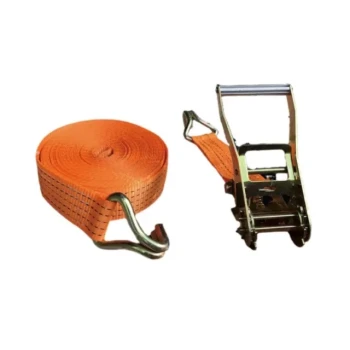
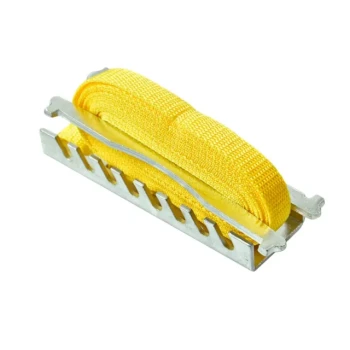
During transport, bee colonies are vulnerable to the vibrations and forces of the road. Specialized hive fixing straps are essential to secure the load firmly.
Without these mechanisms, hives are prone to shifting, sliding, or completely overturning. This physical instability can crush the bees inside or destroy the hive structure itself.
Ensuring Efficient Loading
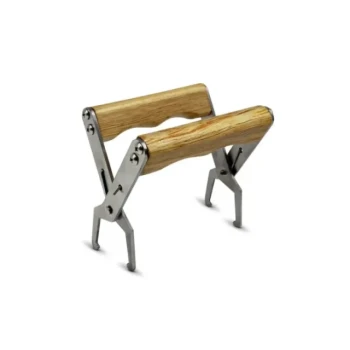
Moving a large number of colonies requires speed and precision. Loading equipment is necessary to handle heavy hives safely and efficiently.
Proper loading gear minimizes the time bees spend in a disrupted state before transit begins. It also ensures hives are stacked in a way that optimizes stability.
Managing Colony Health in Transit
The environment inside a transport vehicle can quickly become lethal. Well-ventilated transport vehicles are non-negotiable for long-distance movements.
Bees generate heat, especially when stressed by movement. In confined spaces without proper airflow, the temperature rises rapidly, leading to suffocation and high mortality rates.
Why Mobility Matters
Accessing Diverse Resources
The goal of transhumance is resource optimization. By moving between mangrove areas and terrestrial forests, beekeepers allow colonies to forage on different blooms as seasons change.
Reducing Mortality Rates
The success of this strategy hinges on the survival of the colony during the move. The use of proper hardware significantly reduces mortality rates.
When hives are secure and ventilated, bees arrive at the new location healthy and ready to forage, rather than stressed or decimated by the journey.
Operational Risks and Considerations
The Cost of Equipment Failure
While hardware is essential, it must be maintained. A snapped strap or a blocked vent can turn a routine migration into a disaster.
The Limits of Hardware
Even with the best equipment, transportation places stress on the colony. Hardware mitigates risk but does not eliminate the physiological impact of long-distance travel on the bees.
Ensuring Successful Migration
To effectively manage the transhumance of your colonies, consider the following based on your specific operational goals:
- If your primary focus is Colony Survival: Prioritize vehicle ventilation above all else to prevent overheating during long hauls.
- If your primary focus is Operational Efficiency: Invest in high-quality loading equipment to reduce the time and labor required to secure hives.
Secure transportation is not just about moving boxes; it is about preserving the biological integrity of your apiary as it travels.
Summary Table:
| Hardware Type | Primary Function | Key Benefit |
|---|---|---|
| Fixing Straps | Secure hives during transit | Prevents physical damage and overturning |
| Loading Equipment | Fast and precise hive moving | Increases operational efficiency and safety |
| Ventilated Vehicles | Regulate internal airflow | Prevents colony overheating and mortality |
Optimize Your Commercial Apiary with HONESTBEE
Are you a commercial apiary or distributor looking to scale your operations? HONESTBEE provides a comprehensive wholesale catalog featuring everything from specialized hive-making and honey-filling machinery to essential industry consumables. We understand the risks of transhumance and offer the full spectrum of beekeeping tools and hardware designed to keep your colonies healthy and productive during long-distance moves.
Contact HONESTBEE today to discover how our professional-grade equipment and wholesale solutions can drive your business success.
References
- Crhistian Laynes-Magaña, Saikat Kumar Basu. Honey production, an economic alternative for coastal areas with mangrove ecosystems: a case study in Sabancuy, Campeche, southeastern Mexico. DOI: 10.1186/s13002-025-00794-0
This article is also based on technical information from HonestBee Knowledge Base .
Related Products
- Heavy Duty Adjustable Hive Connector
- Durable Plastic Interlocking Hive Connector for Beekeeping
- Heavy Duty Ratchet Hive Strap
- Professional Multi-Function Stainless Steel Hive Tool
- Ergonomic Two Person Foldable Hive Lifter
People Also Ask
- Under what circumstance are beehive connectors particularly beneficial? Optimize Handling for Full Beehive Attachments
- What is the advantage of using the beehive connector when handling full attachments? Achieve Safe and Efficient Hive Transport
- What are the primary functions of a beehive connector? Ensure Hive Stability and Safe Colony Transport
- How can the connection length and strength of a beehive connector be adjusted? Master Tension with Threaded Mechanics
- What is the purpose of the beehive connector? Secure Your Hive for Safe Transport