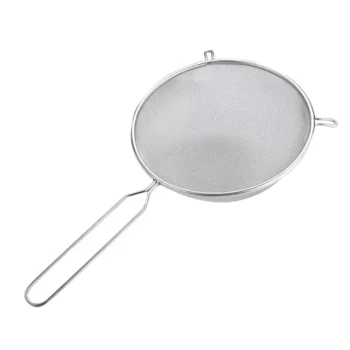
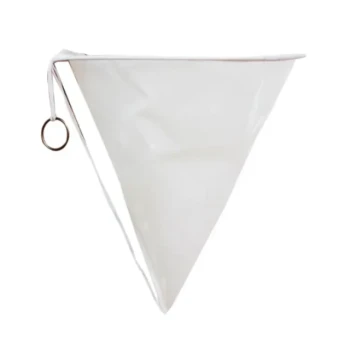
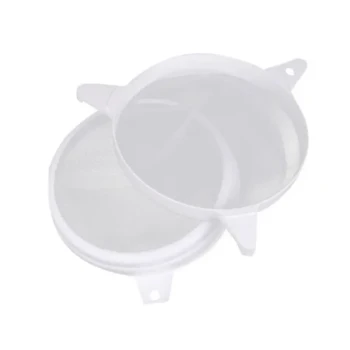
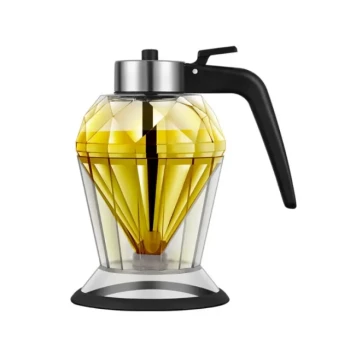
Honey filtration equipment and consumables are the critical mechanisms that convert raw agricultural harvest into a stable, high-value commercial commodity. By employing multi-layered mesh or professional filter media, producers remove wax residue, bee debris, and mechanical impurities. This process immediately upgrades the honey's visual clarity and sensory quality, establishing the baseline requirement for premium pricing in the competitive retail market.
The Core Insight Raw honey is an unstable agricultural ingredient; processed honey is a marketable consumer product. The proper application of filtration technology and professional packaging consumables is the only reliable way to prevent spoilage (fermentation), control texture (crystallization), and signal the quality required to command higher profit margins.
Enhancing Physical Quality Through Filtration
Improving Clarity and Sensory Appeal
The primary reference highlights that visual aesthetics drive consumer value. High-quality filtration removes suspended particles like wax and bee parts that make honey look cloudy or "dirty."
Consumer confidence is directly linked to product clarity. A clean, translucent product signals purity and professional handling, allowing producers to move away from bulk commodity pricing.
Preventing Crystallization and Fermentation
Filtration is a preservation strategy, not just an aesthetic one. Impurities left in raw honey act as nucleation sites, which accelerate crystallization and make the texture gritty.
More critically, filtration removes debris that may harbor yeast. By removing these contaminants, you significantly reduce the risk of fermentation, ensuring the honey remains stable and safe on the shelf for extended periods.
The Role of Professional Consumables
Protecting Integrity During Storage
As noted in the supplementary data, specialized processing containers are essential before the honey even reaches the jar. Hygienic, airtight containers prevent oxidation, which can darken the honey and degrade its flavor profile.
Using professional-grade consumables reduces the impurities introduced by manual handling. This maintains the "physicochemical indicators"—the scientific measures of quality—that high-end buyers and export markets demand.
Branding and Market differentiation
Consumables extend to the final presentation: jars, lids, and labels. Utilizing branded labels and decorative packaging transforms honey from a basic sweetener into a gift or cultural experience.
This differentiation allows beekeepers to implement specific marketing strategies. By signaling quality through packaging, producers can decouple their pricing from market averages and increase profit margins.
Operational Efficiency and Safety
Precision Through Automation
Automated filling machines and processing equipment replace the variability of manual labor with mechanical precision. This ensures airtight sealing and precise weight measurement, which are legal requirements for retail trade.
Automation minimizes human contact with the product. This creates a sterile environment that preserves natural active ingredients while meeting strict food safety standards.
Meeting Export Standards
To reach the most lucrative markets, including international exports, honey must meet rigorous consistency standards. High-precision equipment ensures that every batch meets specific grade requirements.
Without this "physical assurance of quality," honey is relegated to local, lower-value markets. Equipment is the material prerequisite for expanding brand competitiveness globally.
Understanding the Trade-offs
The Balance of Filtration
While filtration is necessary for clarity, there is a risk of over-processing. Excessive filtration (ultra-filtration) can remove all pollen, which strips the honey of its botanical identity and nutritional reputation.
Capital Investment vs. Volume
High-end equipment represents a significant upfront cost. For small hobbyists, the return on investment (ROI) for automated filling lines may not be justifiable. The equipment must be matched to the scale of production to optimize the cost-analysis models mentioned in the references.
Making the Right Choice for Your Goal
To maximize market value, align your equipment choices with your target consumer:
- If your primary focus is the "Raw" or Local Market: Focus on macro-filtration (removing visible debris only) and invest heavily in high-quality jars and rustic branding to emphasize the "unprocessed" nature.
- If your primary focus is High-End Retail or Export: Prioritize high-precision filtration and automated filling systems to ensure absolute clarity, sterility, and shelf-stability required by major distributors.
- If your primary focus is Gift/Boutique Sales: Allocate your budget toward premium consumables—decorative packaging and cultural merchandise—to maximize the perceived value and gift-ability of the product.
Ultimately, the strategic application of filtration and packaging turns a volatile harvest into a dependable, high-yield asset.
Summary Table:
| Feature | Benefit | Market Impact |
|---|---|---|
| Multi-layer Filtration | Removes wax, debris, and impurities | Enhances visual clarity and premium appeal |
| Nucleation Control | Delays crystallization and fermentation | Ensures long-term shelf stability and texture |
| Automated Filling | Precise weight and airtight sealing | Meets strict food safety and export standards |
| Professional Consumables | Protects against oxidation and darkening | Increases perceived value and brand differentiation |
Elevate Your Honey Production with HONESTBEE
Transform your raw harvest into a premium, market-ready asset. HONESTBEE specializes in supporting commercial apiaries and distributors with high-performance honey-filling machines, specialized hive-making hardware, and a comprehensive range of professional beekeeping tools.
Whether you are scaling for international export or creating boutique gift merchandise, our wholesale solutions provide the precision and reliability you need to maximize profit margins. Contact us today to discover how our machinery and consumables can streamline your operations and enhance your brand's competitiveness!
References
- Dinku Negash, Bereket Mengeste. ASSESSMENT OF HONEY PRODUCTION SYSTEM, CONSTRAINTS AND OPPORTUNITIES IN SELECTED KEBELES OF HAWASSA CITY ADMINISTRATION, ETHIOPIA. DOI: 10.5281/zenodo.3379981
This article is also based on technical information from HonestBee Knowledge Base .
Related Products
- Electric Double Wall Honey Filtering Machine Purifier Equipment for Honey Processing Plant
- Professional Stainless Steel Honey Filtering Machine with Water Bath Heating for Beekeeping
- 0.5T Capacity Honey Dehumidifier Dryer with Vacuum Heating and Thickening Filtering Machine
- Honey Concentrating and Filtering Dehumidifier Machine 2T Capacity for Honey
- Professional Stainless Steel Honey Filter with Support Handle
People Also Ask
- What is the process of filtering honey? A Guide to Clean, Pure, and Market-Ready Honey
- What types of equipment are used in honey filtering? Build an Efficient System for Pure, Marketable Honey
- What is the overall importance of using the right equipment in honey filtering? Boost Quality & Marketability
- What role do professional honey harvesting and filtering equipment play in meeting honey market quality standards? Boost ROI
- What steps are involved in maintaining honey filtering equipment? A Guide to Protecting Your Honey Quality