Bee pollen is a biologically unstable material characterized by high protein and specific moisture levels, rendering it extremely vulnerable to environmental degradation. Industrial sealed storage tanks and low-temperature refrigeration are strictly required to create a controlled environment that isolates the pollen from humidity and oxygen while halting microbial and enzymatic deterioration.
Core Insight Bee pollen possesses a delicate biochemical structure that naturally degrades upon exposure to ambient air and temperature. The combined use of physical sealing and thermal suppression is the only reliable method to inhibit oxidation and mold, ensuring the preservation of critical nutrients like lipids and vitamins.
The Biological Volatility of Bee Pollen
High Protein and Moisture Sensitivity
Bee pollen is rich in proteins and maintains a specific moisture content that acts as a catalyst for spoilage. These characteristics make it highly hygroscopic, meaning it rapidly absorbs moisture from the surrounding environment.
The Risk of Contamination
Without protection, this moisture absorption creates an ideal breeding ground for mold and bacteria. The natural biological activity of the pollen must be arrested immediately after harvest to prevent it from rotting or becoming unsafe for consumption.
The Function of Industrial Sealed Tanks
Isolation from Environmental Factors
Industrial sealed tanks provide a robust physical barrier between the pollen and the outside world. Their primary function is to hermetically isolate the product from ambient air and external humidity.
Preventing Oxidative Damage
By cutting off the oxygen supply, these tanks prevent oxidation. This is critical for maintaining the pollen's physical stability and preventing chemical changes that alter its color, flavor, and nutritional profile.
The Necessity of Low-Temperature Refrigeration
Inhibiting Enzymatic Reactions
Pollen contains enzymes that remain active at room temperature, leading to self-degradation. Low-temperature refrigeration effectively inhibits these enzymatic reactions, placing the pollen in a state of suspended biological animation.
Preserving Nutritional Integrity
Temperature control is essential for protecting sensitive nutritional components. Specifically, it prevents the breakdown of lipids and vitamins, ensuring the final product retains the health benefits intended for the consumer.
Suppressing Microbial Growth
Cold temperatures act as a secondary defense against pathogens. Even if minor moisture is present, the low temperature suppresses the growth of microbes and mold that would otherwise thrive in the nutrient-dense pollen.
Understanding the Trade-offs
Equipment Cost vs. Product Value
Implementing industrial-grade sealing and refrigeration requires significant capital investment and energy costs. However, relying on standard packaging or ambient storage invariably results in product loss due to spoilage or a drastic reduction in nutritional market value.
The "Cold Chain" Integrity
The effectiveness of this system relies on continuity. If the cold chain is broken during transport—even briefly—the enzymatic activity can reactivate, initiating degradation that cannot be reversed by re-freezing.
Making the Right Choice for Your Goal
To ensure product viability, your storage strategy must match your preservation targets:
- If your primary focus is Nutritional Potency: Prioritize low-temperature refrigeration, as this is the only mechanism that stops the enzymatic breakdown of vitamins and lipids.
- If your primary focus is Shelf-Life and Safety: Prioritize industrial sealed tanks, as excluding air and moisture is the most effective way to prevent mold growth and physical rot.
Ultimately, the quality of bee pollen is defined by the rigorous control of its environment from the moment of harvest.
Summary Table:
| Preservation Factor | Storage Method | Impact on Bee Pollen |
|---|---|---|
| Moisture/Humidity | Industrial Sealed Tanks | Prevents hygroscopic absorption, mold, and rot. |
| Oxygen Exposure | Hermetic Sealing | Stops oxidative damage to color, flavor, and nutrients. |
| Enzymatic Activity | Refrigeration | Halts self-degradation and biological volatility. |
| Microbial Growth | Low Temperature | Suppresses pathogens and preserves protein integrity. |
| Nutritional Value | Cold Chain Integrity | Protects sensitive lipids and essential vitamins. |
Elevate Your Bee Product Quality with HONESTBEE
Preserving the delicate biological integrity of bee pollen requires professional-grade equipment and industry expertise. HONESTBEE caters to commercial apiaries and distributors with a comprehensive wholesale offering designed to secure your investment from harvest to market.
From industrial-scale storage solutions to honey-filling machines and specialized beekeeping tools, we supply the full spectrum of hardware and consumables needed to maintain a rigorous cold chain and airtight environment.
Ready to scale your production and maximize nutritional potency?
Contact HONESTBEE Today for Custom Equipment Solutions
References
- Axel T. KABORE Jean, H. DICKO Mamoudou. Physicochemical and nutritional characteristics of bee pollen from Burkina Faso. DOI: 10.5897/ajfs2023.2264
This article is also based on technical information from HonestBee Knowledge Base .
Related Products
- Stainless Steel Honey Storage Tank with Lid for Honey
- Stainless Steel Honey Storage and Settling Tank with Double Strainer
- Professional Honey Storage Tank with Agitation System
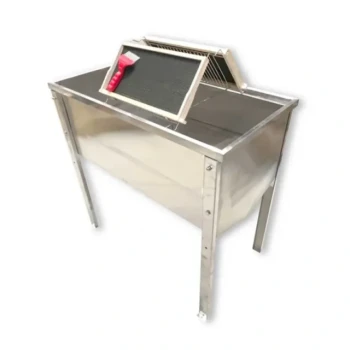
- Stainless Steel Uncapping Tank with Stand and Strainer
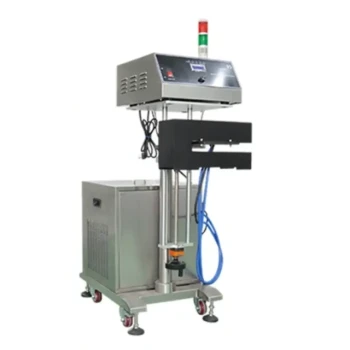
- Professional Water Cooled Induction Sealing Machine for Bottles and Containers
People Also Ask
- What economic role do honey storage tanks play? Boost Your Revenue Through Strategic Inventory Management
- What roles do industrial honey storage tanks and filtration meshes play in processing? Ensure Purity & Consistency
- What is the purpose of a honey storage tank? Streamline Your Honey Processing for Quality & Efficiency
- What are honey storage tanks used for? Essential Features for Quality Preservation and Profit
- How do large honey storage tanks and gravity fall filling systems improve honey packaging efficiency and safety?