Movable frame hives are foundational because they turn beekeeping into a controllable, repeatable production system. Individual frames can be removed for inspection, disease management, colony development, and honey harvesting without destroying the brood nest or wax comb. When combined with compatible extractors and handling equipment, this design improves labor efficiency, preserves reusable comb, and supports more consistent commercial honey production.
Movable frames give beekeepers control over the colony’s most important working components: brood, honey stores, queen performance, and comb. The result is a shift from destructive harvesting to managed, repeatable, and scalable apiculture.
Why Movable Frames Changed Commercial Beekeeping
From Destructive Harvesting to Managed Production
Traditional fixed-comb systems make inspection and harvesting difficult because the comb is part of the permanent hive structure. Removing honey often damages the nest and forces bees to rebuild much of the comb.
Movable frames separate the comb-bearing unit from the hive body. Beekeepers can remove one frame, examine it, return it, or move it to another hive without dismantling the entire colony.
A Standardized Operating Unit
Each frame provides a consistent structural support for bees to build wax comb. This standardization makes hive inspection, transport, colony splitting, equipment handling, and harvesting more predictable.
For commercial operators and suppliers, standardization also supports a broader equipment ecosystem, including hive boxes, frames, foundation, tools, and centrifugal extractors.
How Movable Frames Improve Colony Management
Direct Inspection of Brood and Honey
A beekeeper can assess brood development, food stores, comb condition, and colony strength frame by frame. This provides far more useful information than observing only the exterior of a fixed-comb hive.
The ability to isolate individual frames also helps operators identify weak colonies, overcrowding, poor comb quality, and insufficient food reserves before these issues become more serious.
Better Queen and Population Monitoring
The brood frames provide direct evidence of the queen’s laying pattern and the colony’s reproductive condition. Irregular brood patterns or gaps in developing brood can prompt further investigation and timely intervention.
Movable frames also make colony splitting and population management more practical, allowing operators to redistribute brood, food, and bees when appropriate.
More Targeted Health and Pest Management
Routine access to individual frames supports the detection of disease symptoms, pests, damaged comb, and other risks. Beekeepers can respond to problems at the frame or colony level rather than relying on destructive or delayed intervention.
This does not eliminate the need for proper veterinary guidance, biosecurity, or approved treatments. It gives the beekeeper the access required to apply those practices more precisely.
How They Increase Honey Production Efficiency
Reusable Comb Saves Colony Labor
After honey is extracted, the comb can remain available for reuse. Bees therefore spend less time and energy rebuilding wax structure and can redirect more resources toward brood rearing, nectar processing, and honey storage.
The productivity benefit depends on colony strength, forage availability, weather, management quality, and comb condition. Movable frames improve the production system, but they do not guarantee a fixed yield.
Compatibility With Mechanical Extraction
Frames can be transferred to centrifugal honey extractors that remove honey while preserving the comb. This supports faster, more organized harvesting than methods that destroy or manually process the comb.
The commercial value is greatest when frame dimensions, spacing, box design, and extractor capacity are compatible across the operation.
Faster Return to Production
Once extracted, intact comb can be returned to the colony. Bees can resume filling existing cells rather than first constructing an entirely new comb, which can shorten the recovery period between harvest and renewed honey storage.
This supports more frequent and efficient harvesting where local nectar flows and colony conditions justify it.
Why the Technology Scales for Commercial Apiaries
Repeatable Inspection and Labor Processes
Commercial beekeeping depends on repeatable workflows. Movable frames allow teams to inspect colonies, record observations, grade comb, remove mature honey, and perform maintenance using a consistent procedure.
This reduces dependence on destructive handling and makes training, scheduling, and quality control easier across a large apiary.
Integration With Processing Equipment
A movable frame hive is not an isolated product. Its value increases when it works as part of a compatible system that includes hive bodies, frames, foundation, transport equipment, uncapping tools, extractors, filters, storage containers, and replacement parts.
For distributors and B2B resellers, this creates a practical one-stop sourcing opportunity: customers can obtain the hive hardware and the processing equipment required to operate it effectively.
Improved Order and Replacement Planning
Frames and related components are subject to wear, damage, contamination, and seasonal demand. A reliable supply program helps commercial beekeepers avoid downtime during critical inspection and harvesting periods.
For suppliers, product compatibility, responsive customer service, technical expertise, and efficient fulfillment are therefore operational advantages—not merely purchasing conveniences.
Understanding the Trade-Offs
Standardization Must Match the Existing Operation
Movable frames are only efficient when they fit the hive bodies, frame spacing, foundation, and extraction equipment already in use. Incompatible dimensions can create handling problems and may prevent frames from fitting the extractor correctly.
Before purchasing, buyers should confirm frame measurements, hive format, material, assembly requirements, and equipment compatibility.
Equipment Does Not Replace Skilled Management
The design provides access and control, but productive beekeeping still requires sound decisions about queen health, swarm prevention, feeding, disease control, seasonal timing, and colony balance.
Poor inspection practices or excessive disturbance can stress colonies even when the equipment itself is well designed.
Comb Reuse Requires Quality Control
Reusable comb is an efficiency advantage, but old, damaged, or contaminated comb should not be retained indefinitely. Operators need a planned replacement and sanitation policy to maintain structural quality and colony health.
The goal is not to preserve every piece of comb permanently. It is to reuse sound comb while removing material that no longer supports good management.
Yield Claims Must Be Treated Carefully
Movable frame hives can improve the conditions for higher production, but annual yield varies substantially with climate, forage, genetics, colony strength, management, and harvesting practices.
Claims of a specific yield increase should therefore be evaluated as site-dependent outcomes rather than guaranteed performance specifications.
Making the Right Choice for Your Goal
Movable frame hives deliver the greatest value when the hive, frames, and downstream processing equipment are selected as one coordinated system.
- If your primary focus is commercial honey production: Choose a standardized frame system that is compatible with mechanical extraction and supports rapid reuse of intact comb.
- If your primary focus is colony health management: Prioritize durable, easily removable frames that allow frequent inspection of brood, queen performance, food stores, and pests.
- If your primary focus is distribution or resale: Build a complete product portfolio around compatible hive components, extraction equipment, replacement parts, and responsive technical support.
- If your primary focus is operational efficiency: Evaluate the full workflow—from inspection and transport through extraction, cleaning, storage, and frame replacement—rather than judging the hive alone.
Movable frame technology gives beekeepers the control, repeatability, and equipment compatibility needed to manage colonies efficiently and scale honey production responsibly.
Summary Table:
| Benefit | Description |
|---|---|
| Non-destructive Inspection | Remove frames to inspect brood, queen, and stores without dismantling the hive. |
| Reusable Comb | Extract honey without destroying comb, saving bees' labor and increasing efficiency. |
| Mechanical Extraction | Compatible with extractors for faster, labor-saving harvest. |
| Scalable Management | Standardized frames enable routine checks, splits, and health monitoring. |
| Equipment Integration | Pairs with processing equipment for a streamlined commercial workflow. |
Ready to optimize your commercial apiary with movable frame hives? HONESTBEE offers a complete range of compatible hives, extractors, and processing equipment, backed by fast delivery and expert support. Whether you're a distributor seeking reliable supply or a beekeeper aiming for efficiency, our one-stop sourcing and OEM/ODM services ensure you get exactly what you need. Contact us today to discuss your requirements and discover how we can boost your productivity and profitability.
Related Products
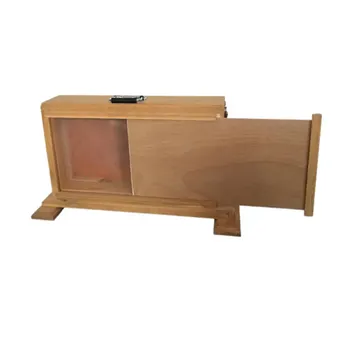
- Professional Observation Hive: The Ultimate Portable Solution for Beekeeping Education, Exhibitions, and Colony Displays
- Professional Grade Foldable Beehive Handles
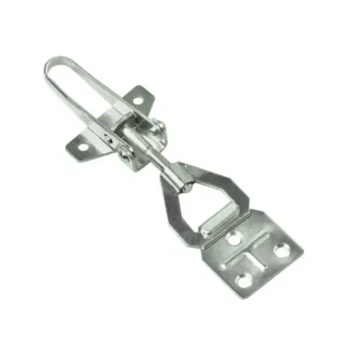
- Heavy Duty Adjustable Hive Connector
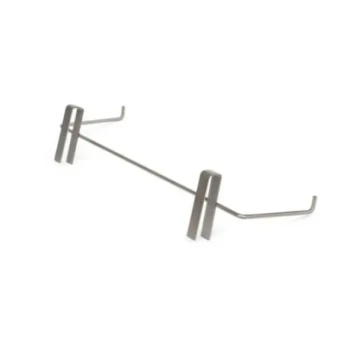
- Wooden Bee Hive Frames for Beekeeping and Wholesale
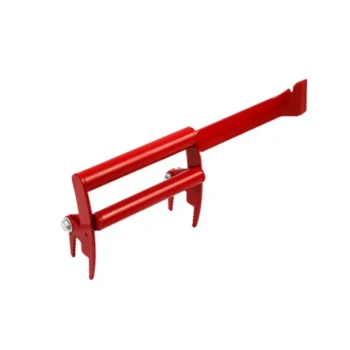
- Heavy-Duty Lever-Action Frame Grip with Hive Tool
People Also Ask
- How does transitioning to modern hives boost honey yield? Increase production and product quality for your commercial apiary
- How do Langstroth and Dadant standard beehives compare regarding brood chamber management and component compatibility? Find the Perfect Fit for Your Apiary
- What are the primary differences between Langstroth, horizontal top bar, and Warré hive box designs when selecting beekeeping equipment? Choose the Right Hive for Your Apiary
- Why do commercial apiary operators transition from traditional hive structures, such as clay cylinders, to standardized Langstroth hive boxes? Discover Scalable Beekeeping Solutions
- What is the recommended frame and box setup for a standard Langstroth hive configuration? Discover the optimal Hive Configuration for Best Results