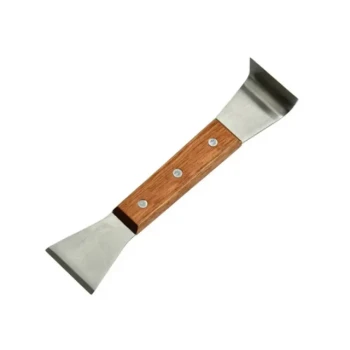
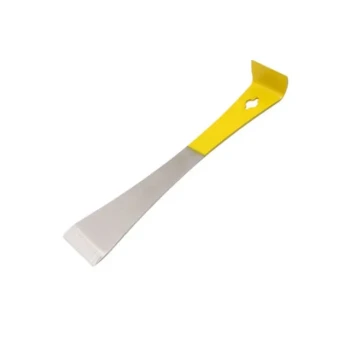
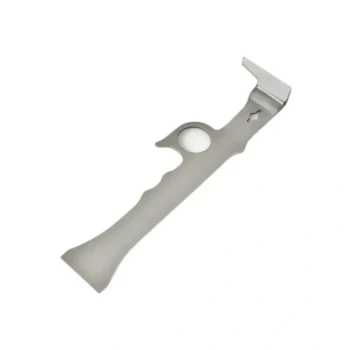
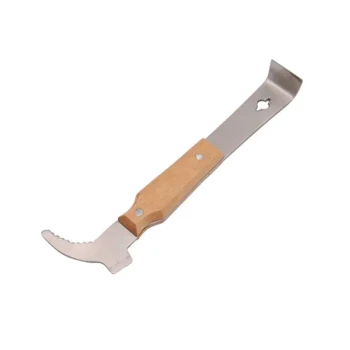
Professional beekeeping tools and industry consumables form the operational backbone of high-yield oil palm agriculture. They provide the necessary physical infrastructure to conduct rigorous health inspections and apiary maintenance, ensuring honeybee colonies remain vigorous enough to maximize coverage during critical flowering periods.
Core Takeaway Investing in specialized equipment transforms beekeeping from a passive activity into a precision agricultural input. By maintaining colony health and stability through professional management, producers ensure the high visitor density required for optimal oil palm fruit set and ecosystem sustainability.
The Operational Impact on Colony Health
Enabling Routine Health Inspections
To maintain pollination efficiency, technical personnel must perform regular health checks. Professional tools are the prerequisite for these interventions, allowing staff to assess colony status without causing undue stress to the hive.
Without these specialized instruments, diagnosing diseases or parasitic threats becomes difficult, leading to weak colonies that cannot sustain flight activity.
Regulating Colony Density
Specialized tools allow management personnel to safely perform complex operations such as colony division and larval grafting.
This capability is essential for regulating the density of pollination colonies, ensuring there is a sufficient scale of active bees ready exactly when the crop enters its flowering period.
Ensuring Stable Nesting Environments
Modern beehive systems serve as the hardware support for the colony's lifecycle. High-quality infrastructure provides a stable nesting environment that is significantly superior to substandard or makeshift facilities.
This stability is critical for maintaining colony vitality, directly influencing the bees' motivation to forage and pollinate.
Enhancing Pollination During Flowering Windows
Maximizing Forager Activity
The primary goal of using professional tools is to ensure honeybees remain active enough to cover oil palm flowering periods comprehensively.
Healthy colonies, maintained with proper equipment, demonstrate higher attendance rates and foraging motivation. This leads to higher pollination success rates and improved pollen concentrations in the harvested honey.
Improving Fruit Set and Yield
By strategically deploying specialized beehive equipment—particularly for species like Apis cerana—managers can effectively supplement natural pollinators.
This assisted pollination significantly improves the seed setting rates and fruit quality of oil palm bunches, directly increasing the yield per unit area.
Ecosystem Stability and Operator Safety
Reducing Chemical Contamination
Industry-compliant consumables, such as bio-based inputs, are essential substitutes for traditional synthetic chemicals.
Using these standardized materials prevents soil degradation and water eutrophication. This protects the integrity of ecosystem services and ensures that the final products, such as honey, remain free of chemical residue accumulation.
Precision Through Protection
Professional protective clothing acts as a reliable biosafety barrier, utilizing puncture-resistant materials and enclosed vision windows.
This gear allows beekeepers to perform delicate tasks—such as removing burr combs or inspecting frames—with precision and composure, ensuring continuous operations even during periods of high bee aggression or activity.
Understanding the Trade-offs
Capital Investment vs. Long-Term Stability
While professional tools and modern hive systems require a higher initial capital outlay than traditional methods, they are necessary for scalability. Reliance on makeshift equipment often results in higher colony mortality and inconsistent pollination rates, which can cost more in lost crop yield over time.
Complexity of Management
Utilizing advanced tools for tasks like larval grafting or logistics management requires skilled labor. The introduction of professional hardware must be paired with technical training; otherwise, the potential efficiency gains of the equipment will not be realized.
Making the Right Choice for Your Goal
To maximize the efficiency of your oil palm pollination strategy, align your equipment choices with your specific operational targets:
- If your primary focus is maximizing fruit yield: Prioritize modern beehive systems and colony division tools to ensure high forager density during peak flowering windows.
- If your primary focus is product purity and sustainability: Prioritize bio-based consumables and standardized supplies to eliminate chemical residues and protect soil health.
- If your primary focus is operational continuity: Prioritize high-quality protective gear and inspection tools to enable your staff to work safely and precisely during high-activity periods.
The synergy between professional hardware and biological management is the key to unlocking the full productive potential of oil palm plantations.
Summary Table:
| Key Factor | Impact on Pollination Efficiency | Role of Professional Tools |
|---|---|---|
| Colony Health | Ensures high forager activity levels. | Enables precise disease diagnosis and routine inspections. |
| Population Density | Guarantees coverage during flowering peaks. | Facilitates safe colony division and larval grafting. |
| Nest Environment | Promotes colony vitality and foraging motivation. | Provides stable, high-quality beehive infrastructure. |
| Ecosystem Safety | Prevents contamination of crops and honey. | Offers bio-based, standardized industry consumables. |
| Operational Precision | Allows for delicate hive management. | Provides puncture-resistant protective gear for staff. |
Maximize Your Plantation’s Potential with HONESTBEE
At HONESTBEE, we understand that high-yield oil palm agriculture demands more than just bees—it requires precision infrastructure. We cater to commercial apiaries and distributors with a comprehensive wholesale offering designed to stabilize pollination and boost productivity.
Our extensive portfolio includes:
- Specialized Machinery: From hive-making to honey-filling machines.
- Professional Hardware: High-quality beekeeping tools and modern beehive systems.
- Industry Consumables: Essential, standardized supplies for sustainable management.
- Cultural Merchandise: Unique honey-themed products to diversify your brand.
Whether you are scaling up a commercial pollination service or supplying the industry’s leading beekeepers, HONESTBEE provides the tools and machinery needed to ensure operational success.
Ready to upgrade your equipment? Contact us today to discuss your wholesale needs!
References
- Dunsford, Brian, Jayarathne, Isuri. Evaluating Apis cerana (L.) beekeeping as a strategy to enhance pollination and yield in Sri Lankan oil palm plantations. DOI: 10.5281/zenodo.17736364
This article is also based on technical information from HonestBee Knowledge Base .
Related Products
- Professional Dual-End Stainless Steel Hive Tool for Beekeeping
- HONESTBEE 15-in-1 Beekeeper Multi-Tool with Hammer and Pliers for Beekeeping
- Stainless Steel J Hook Hive Tool for Beekeeping
- HONESTBEE Classic Pry Bar Hive Tool with High Visibility Finish for Beekeeping
- Stainless Steel Queen Grafting Tool for Beekeeping and Bee Queen Grafting
People Also Ask
- What specific challenges do beekeeping hive tools address during hive maintenance? Essential Solutions for Apiaries
- Why are professional hive tools considered indispensable? Master Beekeeping Maintenance with Precision Leverage
- What is the role of professional hive tools in routine apiary maintenance? Expert Tips for Hive Health and Longevity
- What role do professional beehives and beekeeping tools play in honey prosumption? Scale yield & commercial success.
- What are the primary functions of a stainless steel hive tool? Essential Equipment for Professional Beekeeping