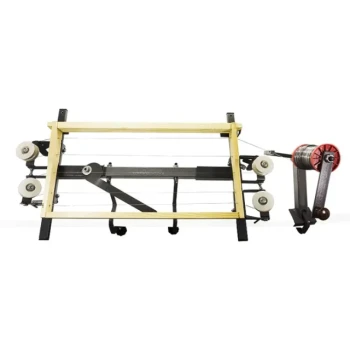
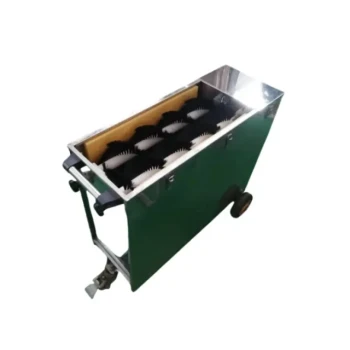
Transhumance beekeeping relies on specialized equipment to safely transport colonies across vast distances in pursuit of specific floral blooms. Professional transport machinery and reinforced mobile beehive systems are strictly necessary to ensure the physical stability of the hives and provide critical ventilation to prevent suffocation during transit. By enabling safe movement to superior forage sites, this infrastructure allows colonies to maximize natural nectar acquisition, reducing reliance on artificial feed and significantly boosting honey production.
Success in migratory beekeeping is defined by the ability to move colonies rapidly without compromising their health. Specialized machinery ensures hive integrity and proper ventilation, transforming high-risk logistics into a reliable system for maximizing honey production.
Protecting Colony Health During Transit
Ensuring Adequate Ventilation
The most immediate risk to bees during transport is suffocation. Reinforced mobile beehive systems are designed with specialized ventilation capabilities that standard hives often lack.
This airflow is critical during long-distance transit to manage the heat and moisture generated by the stressed colony. Without this specific engineering, colonies face a high risk of overheating and mortality before reaching their destination.
Minimizing Physical Stress
Road travel introduces vibrations and shocks that can devastate a bee colony. Professional transport machinery utilizes advanced shock absorption systems to stabilize the load.
By minimizing physical disturbances, these systems reduce honeybee stress levels and mortality rates. A calmer colony is able to resume foraging and production almost immediately upon arrival, rather than requiring a long recovery period.
Economic and Operational Efficiency
Maximizing Natural Resources
The core economic driver of transhumance is the ability to track different floral blooms across regions. Specialized equipment provides the mobility required to move colonies precisely when new nectar sources become available.
This mobility ensures bees have access to high-quality natural nectar throughout the season. Consequently, this significantly reduces the cost of artificial feeding, which is otherwise necessary when local resources are depleted.
Increasing Honey Yields
By bridging the gap between nectar flows in different geographical locations, beekeepers can extend the productive season. The use of efficient transport systems directly correlates to higher total honey yields.
Rapid turnover is essential here; efficient loading and unloading machinery minimize the time hives spend closed and in transit. This allows the bees to capture short-duration nectar flows that would be missed with slower, manual logistics.
Common Pitfalls to Avoid
The Requirement for Standardization
You cannot effectively utilize professional transport machinery with mismatched or non-standard equipment. Industrial-grade manufacturing ensures tight dimensional tolerances for frames and hive bodies.
If your components are not standardized and interchangeable, automated loading systems may fail or damage the hives. Physical consistency is a prerequisite for using advanced logistics machinery effectively.
Ignoring Vibration Management
Beekeepers often underestimate the impact of road vibration on biological activity. Using standard trucks without specialized suspension for hives can lead to structural failure of the comb or excessive colony agitation.
Equipment that lacks specific shock absorption features may get the hives to the destination, but the colony's productivity will likely lag due to transport-induced stress.
Making the Right Choice for Your Goal
To optimize your transhumance operations, align your equipment choices with your specific operational bottlenecks.
- If your primary focus is maximizing honey yield: Prioritize transport systems with high-efficiency loading capabilities to minimize transit time and capture short nectar flows.
- If your primary focus is colony survival rates: Invest in mobile systems with superior ventilation and shock absorption to mitigate stress and prevent suffocation during long hauls.
- If your primary focus is operational scalability: Ensure all hive components are manufactured with industrial precision to allow for frame interchangeability and the use of automated machinery.
investing in professional transport infrastructure converts the logistical challenge of migration into a strategic asset for sustainable honey production.
Summary Table:
| Feature | Standard Equipment | Professional Transhumance Systems |
|---|---|---|
| Ventilation | Passive/Limited; high risk of suffocation | Forced & Reinforced; critical for temperature control |
| Vibration Control | Minimal; leads to comb damage & bee stress | Advanced Shock Absorption; ensures colony stability |
| Loading Speed | Manual & Labor-intensive; slow turnover | Automated/Mechanical; enables rapid floral tracking |
| Durability | Variable; often lacks dimensional precision | Industrial Precision; allows for full interchangeability |
| Production Impact | Recovery period required post-transit | Immediate foraging; maximizes natural nectar intake |
Scale Your Migratory Beekeeping Operations with HONESTBEE
Maximize your honey yields and ensure colony survival with HONESTBEE’s professional-grade transhumance solutions. As a dedicated partner to commercial apiaries and distributors, we provide the industrial-strength machinery and standardized hive systems needed to turn complex logistics into a competitive advantage. From automated hive-making and honey-filling machines to specialized transport hardware and essential consumables, we supply everything required for large-scale success.
Ready to upgrade your infrastructure? Contact us today to discuss our wholesale offerings and see how our comprehensive beekeeping portfolio can optimize your production.
References
- Alíz Feketéné Ferenczi, Andrea Bauerné Gáthy. “What’s Good for the Bees Will Be Good for Us!”—A Qualitative Study of the Factors Influencing Beekeeping Activity. DOI: 10.3390/agriculture14060890
This article is also based on technical information from HonestBee Knowledge Base .
Related Products
- Stainless Steel Round Beehive Air Vents for Ventilation
- Modern Flat-Mount Hive Number Set for Beekeeping
- HONESTBEE Square Top Hive Bee Feeder Top Bee Feeder
- Metal Bee Hive Stand Bee Box Stand for Beekeeping
- HONESTBEE Professional Hive Top Bee Feeder Feeding Solution
People Also Ask
- How does ventilation affect colony health, and how should it be managed seasonally? A Guide to Preventing Moisture & Overheating
- Why is proper ventilation important in a beehive? Prevent Mold, Regulate Temperature, and Boost Colony Health
- How can a beekeeper provide proper ventilation for a beehive throughout the year? Seasonal Strategies for Bee Health
- Why is good ventilation crucial when transporting beehives? Protect Your Colony from Lethal Overheating
- How can ventilation be added to a beehive without using an inner cover? Simple, Effective Solutions for Healthy Hives