Sealed containers are mandatory for storing honey and pollen samples to create an isolated environment that guarantees sample integrity. Their primary purpose is to block the entry of air and external contaminants, which prevents the formation of air bubbles and maintains the stability of heat-sensitive chemical markers like Hydroxymethylfurfural (HMF).
Core Insight: The validity of any laboratory test depends entirely on the sample's stability during storage. Sealed containers act as a barrier against atmospheric moisture and oxidation; without them, honey ferments and pollen degrades, rendering physicochemical data inaccurate.
Preserving Chemical Composition
The chemical makeup of hive products is fragile. A sealed environment is the only way to "pause" the sample's state between the apiary and the lab.
Stabilizing Heat-Sensitive Compounds
The primary reference highlights that sealed containers are crucial for maintaining the stability of Hydroxymethylfurfural (HMF).
HMF is a heat-sensitive compound used as a quality indicator. Exposure to air or fluctuating environments inside an unsealed container can alter HMF levels, leading to false data regarding the honey's freshness or heating history.
Preventing Volatile Loss
Honey contains volatile compounds that contribute to its specific flavor and aroma profile.
An airtight seal traps these volatiles inside the container. If left unsealed, these compounds evaporate, making it impossible to accurately characterize the honey’s physicochemical properties or botanical origin.
Managing Moisture and Biological Activity
Honey and pollen interact aggressively with the surrounding atmosphere. Controlling this interaction is the most critical function of storage.
Counteracting Hygroscopicity
Honey is highly hygroscopic, meaning it naturally absorbs moisture from the air.
If a container is not sealed, the honey's water content can rise above the critical 20% threshold. Excess moisture triggers the proliferation of osmophilic yeasts, leading to rapid fermentation and spoilage.
Inhibiting Pollen Degradation
Pollen samples are particularly susceptible to mold and protein degradation if exposed to damp air.
Sealed plastic bags, often used in conjunction with cold chain equipment (ice packs or freezers), isolate pollen from atmospheric moisture. This preserves the integrity of proteins and DNA, which is essential for accurate genetic analysis.
Ensuring Analytical Accuracy
The ultimate goal of using sealed containers is to ensure that the data generated in the lab reflects the true state of the hive.
Eliminating External Contaminants
Sealing the container prevents the introduction of foreign impurities, such as dust, external microbes, or pollutants.
This isolation protects the sample's biological activity. It ensures that any microbes or toxins found during analysis were actually present in the hive, rather than introduced during transport.
Maintaining Material Inertness
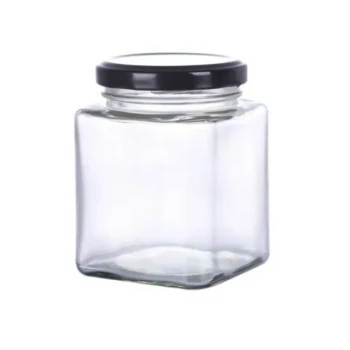
Using high-quality sealed containers, particularly industrial-grade glass, prevents chemical reactions between the container and the sample.
Because honey is naturally weakly acidic, it can react with inferior materials. Sealed glass provides a chemically inert environment that preserves the sample's original acidity and composition.
Common Pitfalls and Trade-offs
While sealing is essential, the method of sealing and the material used involve critical trade-offs.
Material Selection Risks
Not all sealed containers are equal. While plastic is effective for freezing pollen, glass is often superior for honey because of its chemical inertness.
Using reactive materials, even if sealed, can introduce impurities into acidic honey samples.
The Temperature Factor
A seal alone is often insufficient for pollen.
While the seal stops moisture, pollen requires a combination of sealing and low temperatures (cold chain) to inhibit microbial activity. Relying solely on a seal without temperature control can still result in sample degradation.
Making the Right Choice for Your Goal
To ensure your samples yield valid scientific data, select your storage method based on the specific analytical target.
- If your primary focus is HMF and Chemical Analysis: Use sealed, industrial-grade glass bottles to prevent reactions with the acidic honey and block air entry.
- If your primary focus is Pollen DNA or Protein Analysis: Use sealed plastic bags combined with deep freezing or ice packs to strictly control moisture and prevent mold growth.
- If your primary focus is Preventing Fermentation: Ensure the seal is airtight to keep honey moisture content strictly below 20%, regardless of the container material.
The integrity of your data begins with the integrity of your seal.
Summary Table:
| Factor | Impact of Sealed Storage | Risk of Unsealed Storage |
|---|---|---|
| HMF Levels | Maintains stability for quality testing | Altered levels lead to false freshness data |
| Moisture | Blocks hygroscopic absorption | Triggers fermentation and mold growth |
| Volatiles | Retains aroma and flavor profiles | Loss of volatile compounds via evaporation |
| Purity | Eliminates external contaminants | Introduction of dust, microbes, and pollutants |
| Biology | Preserves DNA and protein integrity | Rapid degradation and biological spoilage |
Elevate Your Apiary Operations with HONESTBEE
Ensure the highest standards of honey quality and production efficiency with HONESTBEE. As a premier partner for commercial apiaries and global distributors, we provide more than just tools—we provide the competitive edge your business needs.
From industrial-grade storage solutions to advanced honey-filling machines and hive-making equipment, our comprehensive wholesale portfolio covers every stage of the beekeeping lifecycle. Whether you are scaling up your processing capabilities or sourcing high-quality consumables and honey-themed cultural merchandise, our expertise ensures your products remain pure and profitable.
Ready to optimize your production? Contact us today to explore our wholesale offerings and see how HONESTBEE can streamline your beekeeping business.
References
- Luthfan Zidane Mulyawan, Ignatius Sudaryadi. Unraveling the floral preference: Bee pollen identification and characterization of<i>Tetragonula laeviceps</i>. DOI: 10.1051/bioconf/20249403004
This article is also based on technical information from HonestBee Knowledge Base .
Related Products
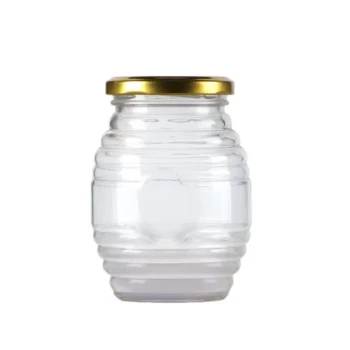
- Classic Glass Honey Jar with Metal Lug Cap for Beehive Storage
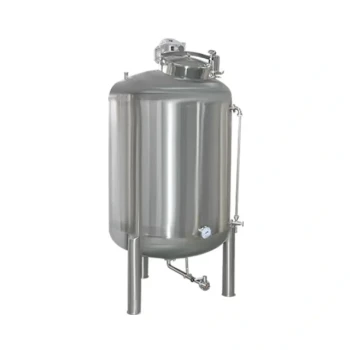
- Stainless Steel Honey Storage Tank with Lid for Honey
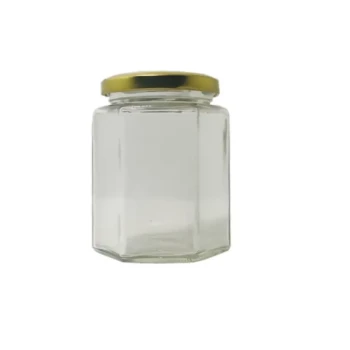
- Hexagonal Glass Honey Jars with Metal Lug Caps Elegant Versatile Packaging
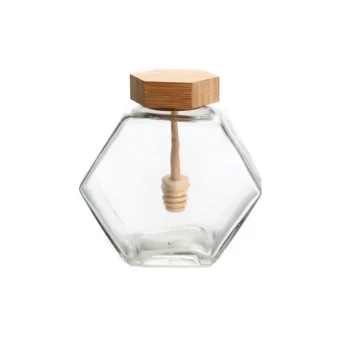
- Hexagonal Glass Honey Jar with Wooden Lid Integrated Dipper Elegant Functional Storage
- Classic Drum Shaped Glass Honey Jar with Airtight Lid
People Also Ask
- What are the benefits of glass jars regarding strength and safety for storing honey? Ensure Purity and Long-Term Quality
- What are the advantages of using glass jars for honey storage? Ensure Purity and Premium Appeal for Your Product
- What are the benefits of using high-transparency Glass Jars for honey? Elevate Purity and Premium Branding
- What is the aesthetic appeal of using glass jars for honey? Elevate Your Brand with Premium Packaging
- Which container is best for storing honey? Preserve Purity & Flavor with the Right Choice