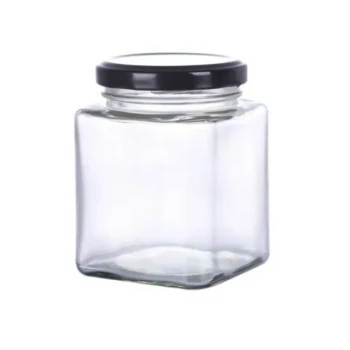
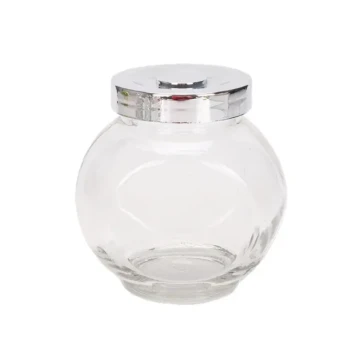
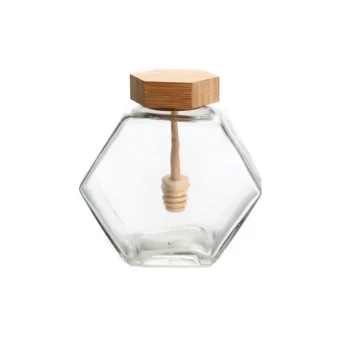
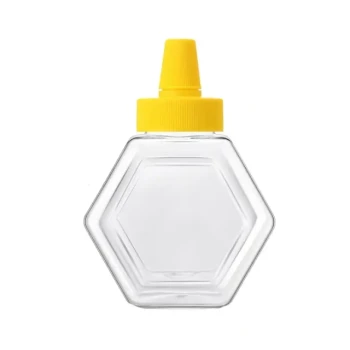
Sealed plastic containers with screw caps are mandatory principally because honey is a highly hygroscopic substance, meaning it actively attracts and absorbs moisture from the surrounding air. The screw cap creates a necessary physical barrier that hermetically seals the container, preventing environmental humidity from altering the honey's moisture balance. Without this rigid sealing mechanism, the sample would absorb water during transport, leading to chemical instability and compromising the validity of subsequent laboratory analysis.
The screw-cap seal acts as a critical control point for data integrity, isolating the honey to prevent moisture-induced fermentation, retain volatile flavor compounds, and block external contaminants that would invalidate traceability.
The Critical Role of Moisture Control
Combating Hygroscopy
Honey naturally seeks equilibrium with the humidity of its environment. If left exposed to air even slightly, it will rapidly absorb atmospheric moisture.
Preventing Spontaneous Fermentation
When honey absorbs excess water, the concentration of sugars relative to water shifts. This creates an environment where natural yeasts can thrive, leading to fermentation and spoilage which renders the sample useless for quality testing.
Ensuring Physical Stability
The screw cap ensures the physical state of the honey remains constant. Uncontrolled moisture absorption alters the viscosity and texture of the honey, distorting the physical profile recorded at the apiary.
Maintaining Chemical and Biological Accuracy
Preserving Volatile Compounds
Honey contains delicate volatile compounds that contribute to its specific flavor and aroma profile. A hermetic screw-cap seal traps these compounds inside the container, preventing them from evaporating or degrading before the sample reaches the lab.
Protecting Pollen and Microscopic Evidence
For accurate pollen analysis (melissopalynology), the pollen composition must remain undisturbed. A sealed environment ensures that the pollen spectrum is not diluted by moisture or contaminated by airborne particles, providing a reliable basis for identifying the honey's floral source.
Stabilizing Biochemical Markers
Key quality indicators, such as Hydroxymethylfurfural (HMF) levels and diastase activity, are sensitive to environmental changes. A sealed, sterile environment strictly prevents the introduction of exogenous microorganisms or impurities that could skew these biochemical metrics.
Material Compatibility: Why Plastic?
Chemical Inertness
Honey is naturally acidic. Food-grade plastic is chemically inert, meaning it will not react with the honey's acids. This prevents the leaching of foreign substances into the sample, ensuring the pH value and mineral content remain uncontaminated.
Preventing Secondary Contamination
Unlike metal containers which may corrode or leach ions, or glass which poses a breakage risk during transport, high-quality plastic offers a sterile, durable, and non-reactive vessel. This ensures the sample arriving at the laboratory is chemically identical to the honey harvested at the apiary.
Understanding the Trade-offs
Plastic vs. Glass Integrity
While plastic is mandatory for transport due to durability, sealed glass bottles actually provide superior chemical inertness for static storage. However, glass is generally avoided in transport logistics because a broken sample results in a total loss of data and potential contamination of other samples.
The "Food-Grade" Requirement
Not all plastics are suitable. The requirement implies food-grade plastic; using standard industrial plastics can result in chemical leaching. The container must be sterile and designed specifically for sampling to prevent the "plastic taste" or chemical interference in trace analysis.
Making the Right Choice for Your Sample
To ensure your honey analysis yields valid, actionable data, you must align your sampling equipment with your analytical goals.
- If your primary focus is transport safety and moisture control: Prioritize high-density, food-grade plastic jars with wide-mouth screw caps to prevent breakage and humidity ingress.
- If your primary focus is preventing metallic contamination: Strictly avoid any metal lids or non-lined metal containers, as the honey's acidity will leach metal ions and alter the flavor.
- If your primary focus is microbiological purity: Ensure the containers are certified sterile before use to prevent false readings on yeast or bacterial counts.
The integrity of your final data is entirely dependent on the quality of the seal applied at the moment of collection.
Summary Table:
| Feature | Importance for Honey Sampling | Key Benefit |
|---|---|---|
| Hygroscopic Protection | Blocks atmospheric moisture absorption | Prevents fermentation & spoilage |
| Screw-Cap Seal | Provides a hermetic physical barrier | Preserves volatile flavor compounds |
| Food-Grade Plastic | Chemically inert and acid-resistant | No leaching or chemical contamination |
| Durability | Eliminates risk of breakage during transit | Ensures sample arrival & lab safety |
| Sterile Environment | Prevents introduction of microbes | Stabilizes HMF & diastase markers |
Secure Your Harvest Quality with HONESTBEE Professional Equipment
At HONESTBEE, we understand that precision in sampling is as critical as the harvest itself. As a dedicated partner to commercial apiaries and distributors, we provide more than just tools—we provide peace of mind. Our comprehensive wholesale range includes everything from high-density, food-grade sampling containers to industrial-scale honey-filling machines and hive-making hardware.
Whether you are scaling your distribution or upgrading your apiary's technical capabilities, HONESTBEE delivers the durable, professional-grade equipment necessary to maintain the highest industry standards.
Ready to elevate your honey production and quality control? Contact our experts today to explore our wholesale solutions.
References
- Aimará Ayelen Poliero, Rosa María. Characterization of Argentinian Honeys Based on their Sugar Profiles and Quality Parameters. DOI: 10.17756/jfcn.2022-123
This article is also based on technical information from HonestBee Knowledge Base .
Related Products
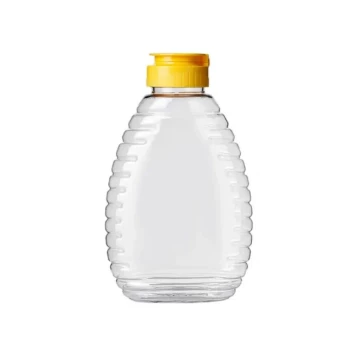
- Squeezable No-Drip Beehive-Shaped Honey Jars with Flip-Top Cap
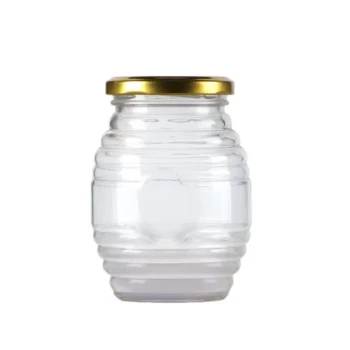
- Classic Beehive Honey Bottle Jar with Squeeze Dispenser Lid
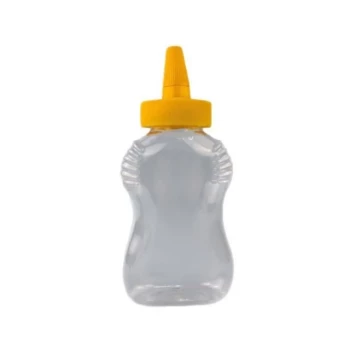
- Classic Honey Bear Jars with Flip Top Dispensing Cap for Liquid Sweeteners
- Inverted Squeezable Honey Jar with No Drip Flip Top Cap for Easy Pouring
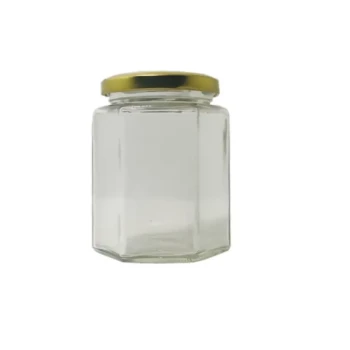
- Hexagonal Glass Honey Jars with Metal Lug Caps Elegant Versatile Packaging
People Also Ask
- What food safety standards must honey containers meet? Expert Guide to Packaging Integrity & Hygiene
- Why is it important to distinguish between weight and volume when selecting honey containers? Maximize Profits Now
- What are the benefits of purchasing honey containers in bulk? Maximize Margins & Secure Your Supply Chain
- What types of containers are ideal for storing liquid honey? Preserve Quality with Glass or Plastic
- How many jars of honey can you get from a hive? Maximize Your Yield with Strong Hive Management