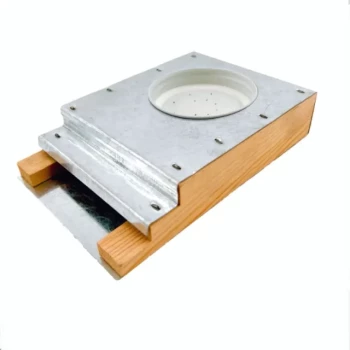
Specialized beekeeping feeding systems are essential survival mechanisms that bridge the gap between natural resource availability and colony needs. They allow beekeepers to precisely deliver supplemental nutrition during critical periods—specifically winter and nectar scarcity—to ensure the colony survives and maintains the strength required for spring development.
By acting as a buffer against environmental unpredictability, feeding systems provide the technical foundation for colony stability. They transform beekeeping from a passive reliance on nature into a managed agricultural practice that mitigates climate risks.
Mitigating Environmental Scarcity
Nature does not always align with the nutritional requirements of a honeybee colony. Specialized feeding systems allow apiarists to intervene when the environment fails to provide necessary resources.
Bridging the "Dearth" Periods
Nectar flows are rarely continuous. Periods of scarcity, known as a dearth, can lead to rapid starvation or a halt in brood rearing.
Feeding systems allow for the precise delivery of supplemental feed during these gaps. This ensures the colony maintains its energy levels even when natural forage is unavailable due to drought or seasonal shifts.
Ensuring Overwintering Success
Winter is the most precarious time for any bee colony. The primary reference highlights that feeding systems are critical for delivering nutrition during this season.
By supplementing stores before cold weather sets in, beekeepers ensure the cluster has sufficient calories to generate heat. This directly impacts colony survival rates, preventing starvation during months when foraging is impossible.
Driving Population Growth
Survival is only the baseline; the goal of a feeding system is often to manipulate population timing to match production goals.
Kickstarting Spring Development
A colony that waits for natural pollen to begin expanding is often too late for early honey flows or pollination contracts.
Feeding systems support healthy spring development by stimulating the queen to lay eggs earlier. This artificial abundance tricks the colony into thinking spring has arrived, ensuring a peak workforce is ready when the first major blooms occur.
Stabilizing Against Climate Fluctuations
Poor weather conditions can decimate a colony's ability to gather resources.
When rain or cold snaps prevent foraging, feeding systems mitigate the impact on honey production. They ensure the bees consume the supplement rather than dipping into their stored honey reserves, protecting the harvest's bottom line.
Understanding the Trade-offs
While necessary for modern management, feeding systems are tools that require judicious application to avoid unintended consequences.
The Cost of Artificiality
Supplemental feed is a lifeline, not a perfect substitute for natural nectar and pollen.
Over-reliance on feeding systems can mask underlying genetic weaknesses or poor hive location. It provides calories, but often lacks the micronutrient diversity found in a natural, biodiverse forage landscape.
Management Complexity
Implementing these systems increases the technical overhead of the apiary.
It requires precise timing and monitoring to ensure feed is not stored in honey supers intended for human consumption. Mismanagement here can compromise the purity of the honey harvest.
Making the Right Choice for Your Goal
The necessity of a feeding system depends largely on the specific objectives of your apiary.
- If your primary focus is Colony Survival: Prioritize heavy feeding in late autumn to ensure sufficient winter stores, mitigating the risk of starvation during cold months.
- If your primary focus is Honey Production: Use stimulative feeding in early spring to build a massive workforce, but cease immediately before the nectar flow to prevent sugar syrup contamination.
- If your primary focus is Commercial Pollination: Maintain a continuous feeding schedule during dearths to sustain maximum population density, ensuring the colony meets agricultural pollination demands.
A specialized feeding system is not just a container for syrup; it is a risk management tool that secures the continuity of the colony against an unpredictable climate.
Summary Table:
| Key Benefit | Description | Primary Goal |
|---|---|---|
| Environmental Mitigation | Bridges nectar scarcity (dearth) and protects against droughts. | Colony Stability |
| Overwintering Success | Provides critical calories for heat generation during winter. | Survival Rates |
| Spring Development | Stimulates early brood rearing to peak before major blooms. | Population Growth |
| Resource Protection | Prevents bees from consuming honey reserves during bad weather. | Production Yield |
Elevate Your Apiary's Productivity with HONESTBEE
At HONESTBEE, we understand that specialized feeding systems are the backbone of a resilient and profitable apiary. As a premier provider for commercial apiaries and distributors, we offer a comprehensive wholesale range of high-performance beekeeping tools and machinery.
Whether you need precision hive-making equipment, honey-filling machines, or essential consumables, our portfolio is designed to help you mitigate climate risks and optimize colony development. Partner with us to access the hardware and industry expertise you need to scale your operations.
Ready to secure your honey production and colony health? Contact HONESTBEE today to explore our wholesale solutions!
References
- Liena Poiša, Artis Teilāns. HONEY PRODUCTION IN LATVIA. DOI: 10.17770/sfi2025.1.1.8372
This article is also based on technical information from HonestBee Knowledge Base .
Related Products
- HONESTBEE Entrance Bee Feeder Efficient Hive Front Liquid Feeding Solution for Beekeeping
- Classic Boardman Entrance Bee Feeder Hive Front Feeding Solution
- HONESTBEE Professional Hive Top Bee Feeder Feeding Solution
- Rapid Bee Feeder White Plastic 2L Round Top Feeder for 8 or 10-Frame Bee Hives
- Boardman Entrance Bee Feeder Durable Galvanized Steel and Wood Construction for Beekeeping
People Also Ask
- What types of bee feeders are available for beginners? Start with the Simple Entrance Feeder
- What are the advantages and disadvantages of using an entrance feeder for bees? Balance Convenience and Hive Security.
- What is a bee entrance feeder and what are its drawbacks? Essential Guide to Hive Security and Feeding Efficiency
- How does a bee entrance feeder work? A Simple Guide to Convenient Hive Feeding
- How to make an entrance feeder for bees? A DIY Guide for Safe & Effective Feeding