Transporting honeybee colonies is a distinct logistical challenge that requires managing a biological "engine" rather than inert cargo. Specialized transport vehicles with controlled ventilation are essential because they actively remove the intense heat and carbon dioxide generated by the bees' own metabolism. Without this active management, colonies in transit face immediate risks of mass mortality due to hyperthermia and suffocation.
Core Takeaway: Beyond immediate survival, controlled ventilation maintains a stable environment that minimizes migration stress. This preservation of colony energy and calm directly correlates to stronger immune systems, reducing the probability of disease outbreaks once the relocation is complete.
Managing Metabolic Output
The primary risk during relocation is not the physical movement of the truck, but the physiological response of the bees inside.
The Heat Challenge
Honeybee colonies are metabolic powerhouses. When confined for transport, their collective metabolism generates significant thermal energy.
In standard vehicles, this heat gets trapped. Specialized vehicles with ventilation systems are engineered to effectively remove this metabolic heat, preventing the rapid internal temperature spikes that lead to heat stress and colony collapse.
Carbon Dioxide Regulation
As bees metabolize energy, they produce carbon dioxide (CO2). In a sealed or poorly ventilated space, CO2 levels can rise to toxic levels quickly.
Controlled ventilation ensures a continuous exchange of air. This flushes out CO2 and replenishes oxygen, preventing suffocation even during long-haul relocations.
The Link Between Stress and Disease
The value of specialized transport extends beyond keeping the bees alive; it is about keeping them healthy.
Reducing Migration Stress
Fluctuating temperatures and poor air quality trigger a stress response in bees. This is known as migration stress.
By maintaining stable environmental conditions, specialized vehicles minimize this physiological strain. The bees arrive at the new location in a calmer state, rather than an exhausted one.
Preserving Immune Function
There is a direct link between stress and immunity. A colony weakened by heat stress or oxygen deprivation has a compromised immune system.
The primary reference indicates that by lowering migration stress, you lower the probability of disease outbreaks. Latent pathogens are less likely to overwhelm a colony that has been transported under stable conditions.
Containment and Biosecurity
While the primary focus is ventilation, the design of the containment system plays a secondary, critical role in biosecurity during the transfer process.
Controlled Isolation
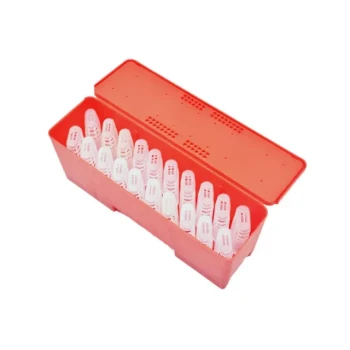
Specialized equipment often utilizes bulk boxes with ventilation screens. This design feature creates a physical barrier that serves two purposes.
First, the screens ensure the adequate airflow discussed above. Second, they act as isolation units.
preventing Cross-Infection
During the transfer process, preventing "drift"—where bees from one colony enter another—is vital.
Screened designs prevent bees that may be carrying pathogen spores from escaping and drifting into healthy colonies. This containment reduces the risk of cross-infection across the entire load, ensuring that a single sick colony does not contaminate the rest of the apiary during the move.
Understanding the Trade-offs
While specialized vehicles are the superior choice for colony health, they introduce specific operational complexities.
System Dependency
These vehicles rely on active mechanical systems. If a ventilation unit fails during transit, the sealed nature of the vehicle can turn it into a hazard faster than an open-air truck. Rigorous maintenance and redundancy checks are required.
Higher Operational Overhead
The investment in specialized climate control and screened containment adds to the logistical cost. This requires a business model that values long-term colony viability and honey quality over the lowest possible transport cost.
Making the Right Choice for Your Goal
Selecting the right transport method depends on your specific objectives for the apiary.
- If your primary focus is immediate survival: Prioritize vehicles with high-capacity heat removal to manage metabolic spikes during transit.
- If your primary focus is long-term colony health: Select systems that emphasize stability to reduce migration stress and prevent post-move immune collapse.
- If your primary focus is biosecurity: Ensure the transport solution integrates screened containment to prevent pathogen drift between colonies.
Investing in controlled ventilation is not just about moving bees; it is about protecting the biological asset that drives your future yield.
Summary Table:
| Key Requirement | Biological Function | Risk of Failure |
|---|---|---|
| Heat Removal | Dissipates metabolic thermal energy | Hyperthermia and mass mortality |
| CO2 Regulation | Flushes toxic gases / Replenishes O2 | Suffocation and colony collapse |
| Stress Mitigation | Maintains stable environment | Weakened immunity and disease |
| Screened Isolation | Prevents colony drift | Cross-infection and pathogen spread |
| Climate Stability | Preserves colony energy levels | Exhaustion and lower future yields |
Secure Your Apiary’s Future with Professional Equipment
At HONESTBEE, we understand that transporting honeybee colonies is a high-stakes operation where biological health translates directly to commercial yield. As a dedicated partner to commercial apiaries and distributors, we provide the specialized tools necessary to protect your assets.
Our comprehensive wholesale portfolio includes:
- Advanced Beekeeping Machinery: From high-precision honey-filling machines to durable hive-making equipment.
- Specialized Hardware & Tools: Professional-grade gear designed for the rigors of large-scale beekeeping.
- Industrial Consumables: A wide array of essentials to keep your operation running smoothly.
Whether you are scaling your distribution network or upgrading your transport infrastructure, HONESTBEE delivers the expertise and equipment you need to minimize migration stress and maximize colony vitality.
Ready to optimize your commercial beekeeping operation?
Contact Us Today to Discuss Wholesale Solutions
References
- Ayşe Ebru BORUM. BIOSECURITY AND GOOD BEEKEEPING PRACTICES IN BEEKEEPING. DOI: 10.31467/uluaricilik.1175874
This article is also based on technical information from HonestBee Knowledge Base .
Related Products
- JZBZ Style Professional Battery Box with 20 Shipping Cages
- Professional Queen Bee Introduction and Transport Cage
- Plastic Transporting Bee Packages and Nuc Boxes for Beekeeping
- Steel Round Disc Entrance Reducer for Flexzion Bee Hive Nuc Box Gate
- Three-Layer Ventilated Beekeeper Suit with Structured Fencing Veil
People Also Ask
- Why are specialized queen bee cages used for the banking of mated queen bees? Maximize Commercial Apiary Storage Efficiency
- How do different materials in queen bee shipping boxes affect temperature? Optimize Bee Health During Transit
- What is the mechanism of action for using temporary queen bee cages? Master Successful Queen Introduction
- What protective role do independent attendant bee partition compartments play? Ensure Safe Queen Bee Transit
- How do specialized logistics consumables like queen bee transport boxes affect biodiversity? Trade-offs & Trends