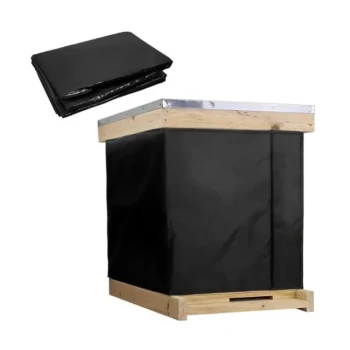
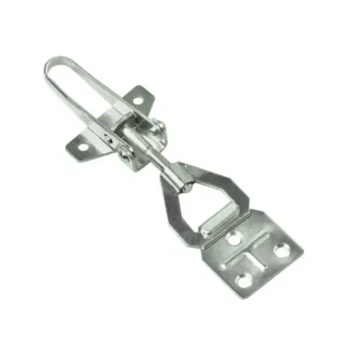
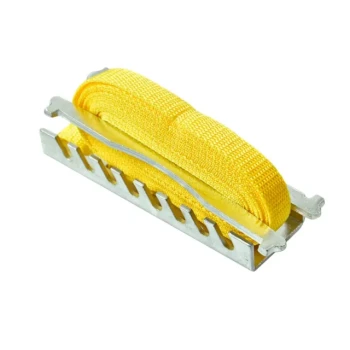
Thermal regulation is the keystone of colony survival. Specialized winter packaging and insulation are necessary to drastically minimize heat loss and stabilize the internal micro-climate of the beehive. By retaining metabolic warmth, these materials reduce the energy burden on the colony, preventing starvation and ensuring the bees survive harsh conditions in cold or high-altitude regions.
Effective winter management is less about adding heat and more about conserving energy. Insulation reduces the metabolic cost of warmth, directly lowering honey consumption and increasing the likelihood of a vibrant colony in the spring.
The Mechanics of Heat Retention
Minimizing Heat Loss
The primary function of specialized packaging is to create a thermal barrier. In cold climates, the temperature differential between the inside of the hive and the outside air is extreme.
Without insulation, heat escapes rapidly through the hive walls. Specialized materials slow this transfer, allowing the cluster of bees to maintain a life-sustaining temperature with less effort.
Reducing Metabolic Stress
Honeybees generate heat by vibrating their wing muscles, a process that requires significant energy.
When a hive is properly insulated, bees do not have to work as hard to combat the cold. This preservation of energy reduces physical stress on individual bees, extending their lifespans through the winter months.
Resource Management and Colony Health
Decreasing Honey Consumption
There is a direct link between insulation and food stores. Fueling the "heater bees" requires the consumption of stored honey.
By maintaining internal temperatures more efficiently, insulation reduces the caloric demand on the colony. This prevents the rapid depletion of honey stores, which is a leading cause of winter starvation.
Ensuring Rapid Spring Growth
The goal of winter management is not just survival, but vitality.
Colonies that spend the winter in a well-regulated, insulated environment emerge in better health. A strong, unstressed population is capable of rapid population growth as soon as spring arrives, maximizing the upcoming season's productivity.
Understanding the Trade-offs
The Risk of Moisture Buildup
While trapping heat is essential, trapping moisture is fatal.
A common pitfall in winterizing hives is sealing them too tightly. Bees release moisture as they respire; if this moisture condenses and freezes on the cluster, it can kill the colony faster than the cold itself.
The Need for Ventilation
Insulation must always be balanced with adequate ventilation.
Specialized equipment often accounts for this, but beekeepers must ensure that warm, moist air has a way to escape without creating a draft that strips away the heat you are trying to conserve.
Making the Right Choice for Your Location
To implement a successful wintering strategy, align your equipment choices with your specific environmental challenges.
- If your primary focus is preventing starvation: Prioritize high-insulation materials to minimize the caloric burn required for the colony to stay warm.
- If your primary focus is rapid spring buildup: Ensure your setup includes thermal regulation that protects the brood nest from early spring temperature fluctuations.
Properly insulating your hives transforms winter from a fight for survival into a period of managed conservation.
Summary Table:
| Benefit of Insulation | Impact on Bee Colony | Primary Goal |
|---|---|---|
| Heat Retention | Minimizes energy expenditure by vibrating wing muscles | Conserve Cluster Warmth |
| Resource Conservation | Reduces caloric demand and honey consumption rate | Prevent Winter Starvation |
| Micro-climate Stability | Protects the brood nest from extreme temperature fluctuations | Rapid Spring Population Growth |
| Thermal Barriers | Slows heat transfer through hive walls in high-altitude zones | Stabilize Internal Temperature |
Maximize Overwintering Success with HONESTBEE
Protect your commercial apiary from the hazards of high-altitude and cold-climate beekeeping. HONESTBEE provides professional-grade insulation solutions, specialized hive-making machinery, and a full spectrum of beekeeping tools designed for durability and efficiency. Whether you are a distributor or manage a large-scale operation, our wholesale equipment ensures your colonies emerge from winter with maximum vitality.
Ready to upgrade your winter management strategy? Contact us today to explore our comprehensive range of machinery and industry consumables tailored for the global beekeeping industry.
References
- Muneer Ahmad, Nadeem Dar. Status of Traditional Beekeeping and Various Threats to Bees in Climate Changing Scenario in District Ganderbal of Kashmir. DOI: 10.20546/ijcmas.2019.805.043
This article is also based on technical information from HonestBee Knowledge Base .
Related Products
- Professional Insulated Winter Hive Wrap for Beekeeping
- Professional Insulated Plastic Bee Hives
- Inner Beehive Cover for Beekeeping Bee Hive Inner Cover
- Stainless Steel Round Beehive Air Vents for Ventilation
- Metal Hive Feet Bee Hive Stand for Ant Protection
People Also Ask
- What are the steps to properly wrap a beehive for winter? Ensure Your Colony Survives the Cold
- When is the best time to wrap a beehive for winter? A Guide to Perfect Winterization Timing
- How do professional insulation wraps provide protection for bee colonies? Optimize Winter Survival & Energy Efficiency
- What are the technical benefits of using winter wraps for beehive insulation? Boost Colony Survival & Hive Health
- What are the benefits of using insulated covers for hives? Ensure Colony Survival and Health