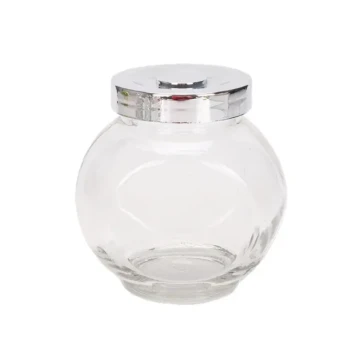
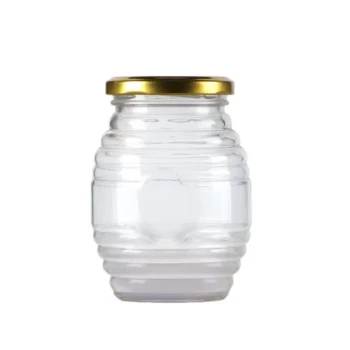
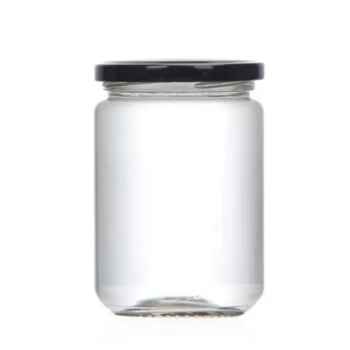
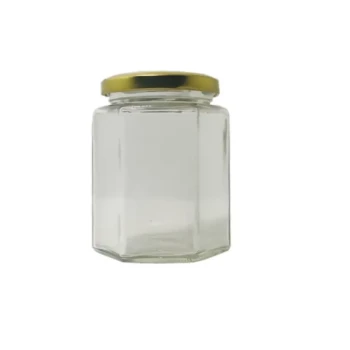
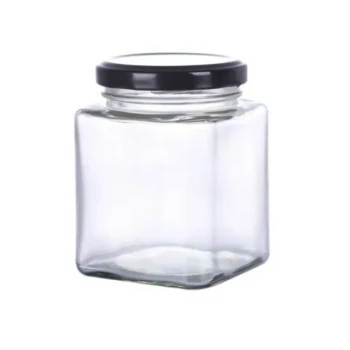
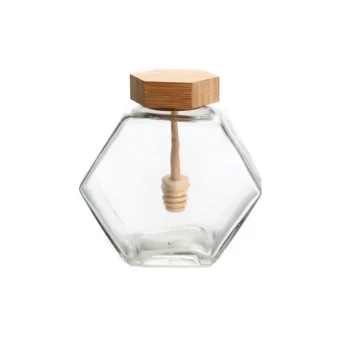
Specific glass jars are the preferred choice for storing artificial bee bread primarily because of their superior airtightness and chemical inertness. Unlike porous materials, glass creates a hermetically sealed environment that prevents gas exchange and chemical interactions, ensuring the delicate biological composition of the product remains unaltered.
The core requirement for preserving artificial bee bread is maintaining a pressurized, anaerobic environment. Glass is selected because it sustains an internal carbon dioxide pressure field without allowing gas permeation, effectively locking in both biological activity and flavor.
The Mechanics of Preservation
Impermeability and Pressure Retention
The fundamental challenge in storing bee bread is maintaining a specific internal atmosphere.
Glass jars are utilized because they are impermeable to gases. They allow the container to maintain a stable internal carbon dioxide pressure field.
This pressure is critical for the product's stability. While plastics allows for gradual gas permeation, glass ensures the CO2 remains trapped inside, preserving the necessary storage conditions.
Chemical Stability
Artificial bee bread contains complex biological compounds that can degrade if exposed to reactive materials.
Glass provides exceptional chemical stability. It does not react with the acidic or bioactive components of the bee bread.
This inertness ensures that no foreign chemicals leach into the food product, and conversely, the food product does not corrode or degrade the container.
Biological and Sensory Impact
Maintaining the Anaerobic Environment
The shelf life of bee bread depends on the absence of oxygen.
By preventing gas permeation, glass jars secure a protective anaerobic (oxygen-free) environment.
This prevents oxidation, which is the primary cause of spoilage and the degradation of nutritional value in fermented products.
Protecting Flavor Profiles
Flavor is a direct result of the product's chemical composition.
Because glass prevents chemical reactions and gas exchange, the unique flavor profile of the bee bread is preserved.
The container ensures that the sensory experience remains consistent from the moment of packaging throughout the entire shelf life.
Critical Considerations and Trade-offs
The Reliance on Seal Integrity
While the glass body is impermeable, the system is only as effective as its closure mechanism.
If the lid or seal fails, the airtight benefits of the glass are instantly negated. The selection of glass implies a reliance on high-quality, airtight sealing gaskets to match the performance of the jar itself.
Rigidity vs. Pressure
Glass is rigid, which is excellent for maintaining volume, but it does not expand.
The internal carbon dioxide pressure field exerts force on the container walls. The glass must be of sufficient thickness and quality to withstand this internal pressure without fracturing.
Making the Right Choice for Your Storage
To ensure the longevity and potency of artificial bee bread, the container material is not a variable—it is a critical control point.
- If your primary focus is Biological Potency: Select high-quality glass to maintain the strict anaerobic environment required to preserve bioactivity.
- If your primary focus is Sensory Quality: Use glass to ensure complete chemical inertness, preventing flavor degradation or contamination.
The superior barrier properties of glass make it the only reliable option for sustaining the pressurized, oxygen-free environment that artificial bee bread requires.
Summary Table:
| Feature | Benefit for Bee Bread Preservation | Why Glass Wins |
|---|---|---|
| Gas Permeability | Maintains CO2 pressure and anaerobic state | Zero gas exchange compared to porous plastics |
| Chemical Inertness | Prevents leaching and maintains purity | Non-reactive with acidic bioactive compounds |
| Pressure Retention | Stabilizes the internal environment | Rigid structure supports internal CO2 pressure field |
| Flavor Protection | Preserves complex sensory profiles | Eliminates oxidation and foreign material contamination |
Elevate Your Apiary Operations with HONESTBEE
At HONESTBEE, we understand that the quality of your bee products depends on the quality of your equipment. As a leading provider for commercial apiaries and distributors, we offer a comprehensive wholesale range designed to optimize every stage of your production—from specialized hive-making and honey-filling machines to premium storage solutions and industry consumables.
Whether you are scaling your honey-filling capacity or sourcing professional-grade beekeeping tools, we provide the hardware and expertise to help your business thrive. Secure the biological potency of your products and enhance your efficiency today.
References
- G. Madzgarashvili, J. Natchkebia. Making Bee Bread from Pollen without honeycombs. DOI: 10.30574/gscbps.2022.20.2.0316
This article is also based on technical information from HonestBee Knowledge Base .
Related Products
- Classic Drum Shaped Glass Honey Jar with Airtight Lid
- Classic Glass Honey Jar with Metal Lug Cap for Beehive Storage
- Classic Round Glass Honey Jar with Lid
- Hexagonal Glass Honey Jars with Metal Lug Caps Elegant Versatile Packaging
- Modern Square Glass Honey Jar with Twist Off Lid
People Also Ask
- What is the best utensil to store honey? Preserve Purity with the Right Container
- How does the appearance of glass jar packaging affect the sales and perception of honey? Boost Your Premium Brand Value
- Why is a glass jar preferred for packaging honey? Ultimate Protection for Purity & Flavor
- What is the aesthetic appeal of using glass jars for honey? Elevate Your Brand with Premium Packaging
- What are the advantages of glass containers for honey? Elevate Quality and Market Value with Premium Packaging