Standardized 50ml collection containers are primarily utilized during the honey sampling stage to guarantee that the sample volume collected at every field point remains absolutely consistent. This uniformity eliminates volume as a variable, creating an accurate foundation for quantitative analysis.
Core Takeaway By strictly maintaining a constant volume across all samples, researchers can reliably calculate pollen density and reconstruct the true proportions of vegetation distribution. Standardization transforms raw field samples into comparable data points necessary for accurate ecological and chemical monitoring.
The Foundation of Quantitative Analysis
Ensuring Consistent Sample Volume
The primary technical reason for specifying a 50ml capacity is to enforce volume consistency during the field sampling process.
When researchers analyze honey, they are often looking for density-based metrics. If the total volume of the raw sample varies from hive to hive, subsequent calculations regarding density become unreliable.
Reconstructing Vegetation Distribution
This consistency is critical for the quantitative analysis of pollen density.
By using sub-samples derived from a constant 50ml volume, laboratories can accurately reconstruct the vegetation distribution of the specific geographical area. The standardized volume ensures that the pollen count reflects the actual biological proportions in the environment, rather than an artifact of sampling size.
Ensuring Data Integrity and Comparability
Facilitating Repeatable Monitoring
Beyond pollen, standardized containers are essential for establishing a repeatable pesticide monitoring process.
For data derived from liquid chromatography to be comparable across different regions, the input parameters must be uniform. Standardized 50ml tubes ensure that concentration data is consistent, allowing researchers to track pesticide levels reliably over time and distance.
Preventing Sample Compromise
These containers are typically sterile and airtight, which serves two protective functions during transport from the field to the lab.
First, they prevent cross-contamination between samples, which is vital when detecting pathogen loads or distinguishing between different honey sources. Second, they prevent volatilization, ensuring that the chemical profile of the honey does not change due to evaporation before analysis occurs.
Understanding the Trade-offs
Collection vs. Long-Term Storage
While standardized 50ml containers (often sterile centrifuge tubes) are ideal for field collection due to their uniformity and durability, they may not be the ultimate solution for long-term storage.
Honey is acidic and contains complex biochemical components. For extended storage or specific enzymatic testing (such as catalase or amylase activity), transferring samples to glass containers is often preferred to ensure high chemical stability and prevent the migration of substances from the container into the sample.
Environmental Sensitivity
Standardized collection containers provide immediate physical assurance, but they must be handled correctly to maintain integrity.
While the container itself standardizes volume, secondary packaging (like plastic wrap) is often required to act as a barrier against light and temperature fluctuations. Without this secondary step, even a standardized sample can suffer from the degradation of heat-sensitive enzymes during transport.
Making the Right Choice for Your Goal
To maximize the value of your honey analysis, apply the sampling standard that aligns with your specific analytical target.
- If your primary focus is Pollen Density and Vegetation Mapping: strictly adhere to the 50ml volume standard to ensure that your quantitative analysis accurately reflects geographical vegetation proportions.
- If your primary focus is Pesticide and Chemical Monitoring: prioritize the sterility and seal integrity of the standardized container to prevent cross-contamination and volatilization during transport.
Standardization in collection is not merely about convenience; it is the control mechanism that validates every subsequent data point generated in the laboratory.
Summary Table:
| Feature | Purpose in 50ml Honey Sampling | Key Benefit |
|---|---|---|
| Volume Uniformity | Eliminates volume as a variable | Precise quantitative analysis & pollen density calculation |
| Sterility & Seal | Prevents cross-contamination & volatilization | Preserves chemical profile for liquid chromatography |
| 50ml Capacity | Standardizes sub-sample input | Reliable reconstruction of vegetation distribution |
| Material Design | High durability during field transport | Maintains sample integrity from hive to laboratory |
Elevate Your Beekeeping Operation with HONESTBEE
At HONESTBEE, we understand that precision in the field leads to success in the market. As a premier partner for commercial apiaries and distributors, we provide more than just equipment—we provide the tools for professional-grade honey production and analysis.
Our comprehensive wholesale portfolio includes:
- Advanced Machinery: From hive-making to precision honey-filling machines.
- Specialized Hardware: A full spectrum of durable beekeeping tools and equipment.
- Industry Consumables: Essential supplies designed to maintain the highest standards of honey quality.
- Cultural Merchandise: Unique honey-themed products to diversify your brand.
Whether you are scaling a commercial operation or supplying the next generation of beekeepers, HONESTBEE delivers the quality and scale you need. Contact us today to explore our wholesale offerings and see how our expertise can streamline your honey production.
References
- Swati Dixit, S.K. Bera. Melissopalynological studies of western part of Almora District, Uttarakhand. DOI: 10.54991/jop.2013.335
This article is also based on technical information from HonestBee Knowledge Base .
Related Products
- Food Grade Plastic Honey Bucket Pail for Beekeeping
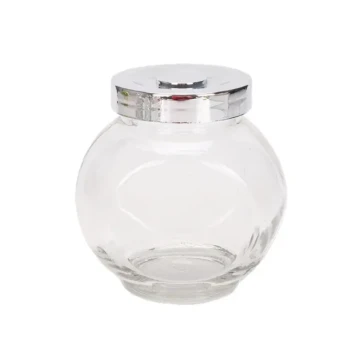
- Classic Round Glass Honey Jar with Lid
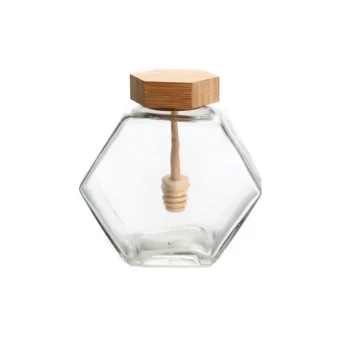
- Hexagonal Glass Honey Jar with Wooden Lid Integrated Dipper Elegant Functional Storage
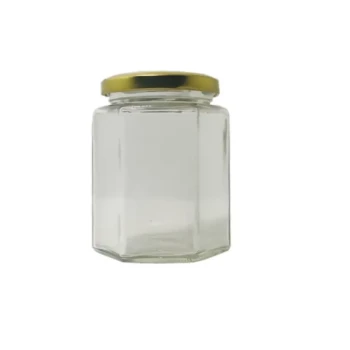
- Hexagonal Glass Honey Jars with Metal Lug Caps Elegant Versatile Packaging
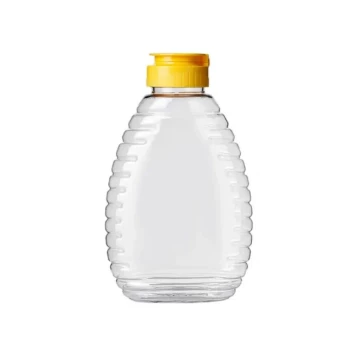
- Classic Honey Bear Jars with Flip Top Dispensing Cap for Liquid Sweeteners
People Also Ask
- What key operational precautions should be taken when using honey buckets and extractors fitted with bottom drain taps?
- What functions do food-grade honey buckets perform? Safeguard Your Harvest and Optimize Apiary Logistics
- Why are food-grade plastic buckets preferred for honey? Protect Quality with Modern Honey Collection Tools
- What is the significance of food-grade plastic honey collection buckets? Boost Quality in Forest Honey Logistics
- What is a honey pail? The Essential Container for Protecting Your Honey's Value