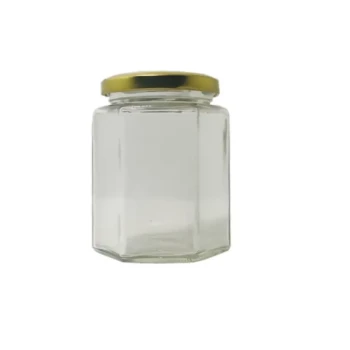
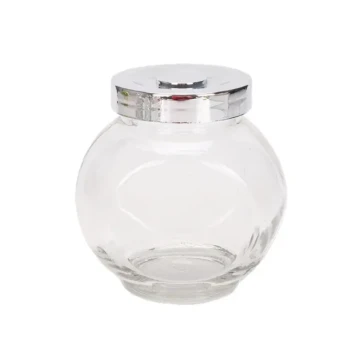
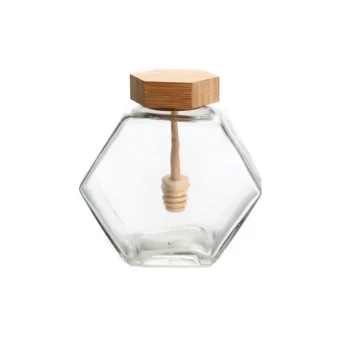
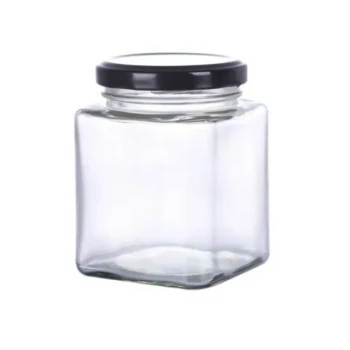
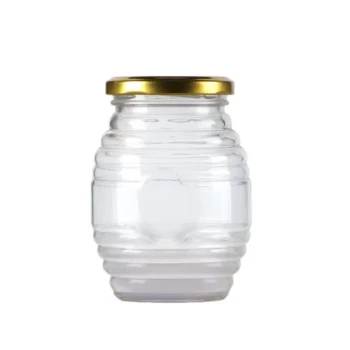
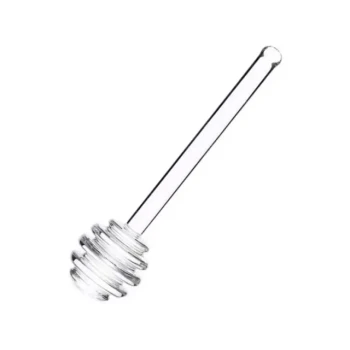
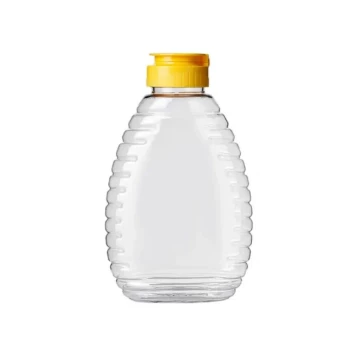
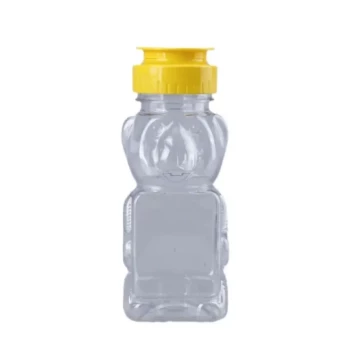
Sterile glass containers are the scientifically preferred standard for honey sampling because they provide a chemically inert and contaminant-free environment. Unlike porous or reactive materials, sterile glass effectively isolates the sample from external microbial interference and prevents the container walls from chemically reacting with the honey. This ensures that the specimen arriving at the laboratory is a true representation of the original honey's physicochemical and microbial state.
Core Takeaway: Data integrity in honey testing relies on distinguishing the sample's intrinsic properties from external variables. Sterile glass eliminates the risks of chemical leaching and secondary contamination, ensuring that analytical results reflect the honey's quality rather than container defects.
The Critical Role of Chemical Stability
Preventing Chemical Interaction
The primary advantage of glass is its chemical inertness. According to the primary reference, glass ensures that the honey sample does not react with the container walls during storage.
Avoiding Leaching Risks
Unlike certain plastics, which can release harmful substances or degrade at high temperatures, glass remains stable. This prevents the introduction of foreign chemical compounds that could skew sensitive toxicology or composition tests.
Preserving Original Indicators
To obtain a reliable baseline, the sample must maintain its original physicochemical indicators. Glass ensures that the acidity, sugar profile, and antioxidant levels detected in the lab match those present at the time of collection.
Microbial Isolation and Purity
Eliminating Secondary Contamination
Sterility is non-negotiable for accurate biological testing. Using sterile containers effectively isolates the honey from external microbial interference found in the environment or on handling equipment.
Accurate Microbial Counts
Laboratory tests often measure native yeast, mold, or bacterial loads to determine quality and safety. If a container is not sterile, "secondary contamination" occurs, leading to false positives that misrepresent the hygiene of the original apiary or processing facility.
Protection Against Environmental Factors
Combating Hygroscopy
Honey is highly hygroscopic, meaning it readily absorbs moisture from the air. High-sealing glass containers provide an airtight barrier, preventing the absorption of atmospheric moisture that leads to fermentation and spoilage.
Preserving Sensory Profiles
Glass creates a complete barrier against external odors. Because honey easily absorbs environmental scents, glass ensures that the natural aroma and flavor profile—critical metrics for market value—remain unaltered during transport.
Understanding the Trade-offs
Glass vs. Plastic Convenience
While plastic containers are lightweight, cheap, and easy to handle, they carry significant risks. Non-food-grade plastics or poor sealing mechanisms can lead to moisture absorption and chemical leaching, compromising the sample's validity for high-level testing.
The Issue of Light Sensitivity
Standard clear glass does not inherently protect against light. Honey is sensitive to light, which can degrade antimicrobial components like hydrogen peroxide and enzymes like amylase. When using glass, samples must be stored in a dark environment or amber glass to preserve these bioactive compounds.
Making the Right Choice for Your Goal
To select the appropriate containment strategy, consider the specific requirements of your analysis:
- If your primary focus is rigorous chemical and microbial analysis: Use sterile glass to guarantee chemical inertness and prevent secondary contamination of the sample.
- If your primary focus is preventing fermentation: Ensure the glass container has a verified airtight seal to block moisture absorption, which is the leading cause of spoilage.
- If your primary focus is enzyme preservation: Couple your glass storage with a light-protected environment (or use amber glass) to stop the degradation of light-sensitive invertase and amylase.
The quality of your analysis can only be as good as the quality of your sample preservation.
Summary Table:
| Feature | Glass Containers | Plastic Containers | Impact on Testing |
|---|---|---|---|
| Chemical Stability | Chemically Inert | Risk of Leaching | Prevents false chemical readings |
| Microbial Control | Sterile/Non-porous | Potential Bio-films | Eliminates secondary contamination |
| Moisture Barrier | High (Airtight) | Variable/Permeable | Prevents fermentation & spoilage |
| Odor Protection | Total Barrier | Can absorb/emit odors | Preserves natural sensory profile |
| Light Protection | Requires Amber Glass | Variable | Protects light-sensitive enzymes |
Elevate Your Honey Quality Standards with HONESTBEE
Precise testing starts with the right equipment, and the right business starts with a reliable partner. At HONESTBEE, we empower commercial apiaries and distributors by providing the industry's most comprehensive range of professional beekeeping tools and machinery.
Whether you need advanced honey-filling machines to maintain sample integrity, specialized hive-making hardware, or high-quality consumables, our wholesale solutions are designed to scale your operations and protect your product's value.
Ready to upgrade your apiary or distribution inventory? Contact us today to explore our full catalog and wholesale pricing!
References
- Viktor Landeka, Edita Sarić. Determination of honey quality in the context of physico-chemical and microbiological data in Bosnia and Herzegovina. DOI: 10.31895/hcptbn.16.1-2.10
This article is also based on technical information from HonestBee Knowledge Base .
Related Products
- Hexagonal Glass Honey Jars with Metal Lug Caps Elegant Versatile Packaging
- Classic Drum Shaped Glass Honey Jar with Airtight Lid
- Classic Round Glass Honey Jar with Lid
- Hexagonal Glass Honey Jar with Wooden Lid Integrated Dipper Elegant Functional Storage
- Modern Square Glass Honey Jar with Twist Off Lid
People Also Ask
- What is the aesthetic appeal of using glass jars for honey? Elevate Your Brand with Premium Packaging
- What are the logistical challenges associated with using glass jars for honey packaging? Navigating Weight & Fragility
- What are the advantages of glass containers for honey? Elevate Quality and Market Value with Premium Packaging
- What are the technical advantages of using glass jars for honey? Master Commercial Packaging for Premium Purity
- What are the advantages of using glass jars for honey packaging? Preserve Purity & Elevate Your Brand