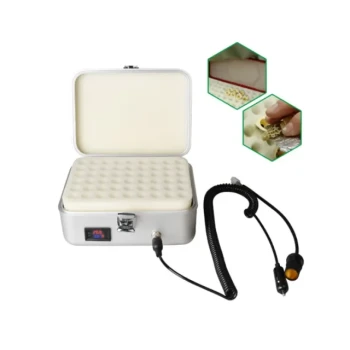
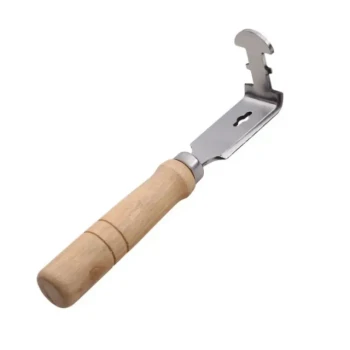
The use of sterile laboratory tools and glass beakers is a non-negotiable requirement for preventing microbial contamination during the preparation of honeybee larval diets. Because honeybee larvae are immunologically immature and highly susceptible to bacteria and fungi, failing to use sterile equipment inevitably leads to pathogen exposure, resulting in larval mortality or compromised developmental data.
Successful artificial rearing relies on establishing a strictly aseptic environment to protect vulnerable larvae. Without sterile tools and containers, introduced pathogens will distort phenotypic induction results and prevent larvae from reaching the queen stage.
The Biological Necessity of Sterility
Protecting a Fragile Immune System
Honeybee larvae possess extremely weak natural defenses against pathogens during their early developmental stages.
According to the primary protocols for artificial rearing, larvae are highly susceptible to bacteria and fungi found in the environment. Even microscopic contaminants introduced through a dirty beaker or forceps can rapidly overwhelm a larva’s system.
Ensuring Reliable Phenotypic Data
The primary goal of artificial rearing is often to observe specific developmental outcomes, such as the induction of the queen phenotype.
If the rearing environment is not sterile, researchers cannot determine if developmental anomalies are caused by experimental variables or by infection. Maintaining a sterile operating environment is the only way to guarantee the reliability of phenotypic results and ensure the data reflects true biological responses.
The Role of Equipment in Disease Prevention
Preventing Diet Spoilage
The larval diet is a nutrient-rich mixture that serves as an ideal breeding ground for microbes.
Using glass beakers allows for rigorous sterilization (such as autoclaving) that eliminates potential contaminants before the diet is mixed. This prevents the nutrient solution from spoiling or becoming a vector for disease before it is even fed to the larvae.
Minimizing Cross-Contamination
Tools used for diet preparation and larval transfer act as bridges between the external environment and the culture plate.
Sterile laboratory tools break the chain of transmission. By ensuring these instruments are free of microorganisms, researchers protect the integrity of the culture plate environment, allowing larvae to develop normally without fighting off infections.
Understanding the Risks and Trade-offs
The Absence of Social Immunity
In a natural hive, nurse bees actively remove sick larvae and sterilize cells, a process known as "social immunity."
In an artificial setting, this hygienic removal behavior is bypassed. Consequently, the larvae are entirely dependent on the sterility of your tools; there are no nurse bees to clean up mistakes, making the penalty for poor hygiene immediate and severe.
Physical vs. Microbial Safety
While sterility is paramount, it must not come at the cost of physical precision.
Using tools that are sterile but mechanically crude can damage the larva's delicate epidermis. The ideal approach combines the asepsis demanded by the primary reference with the high-precision mechanical properties (such as flexibility and low elasticity) found in specialized grafting tools.
Making the Right Choice for Your Goal
To maximize success in artificial rearing, align your equipment choices with your specific experimental needs:
- If your primary focus is Larval Survival: Prioritize the rigorous sterilization of glass beakers and diet preparation tools to eliminate bacterial threats that cause early mortality.
- If your primary focus is Phenotypic Data Accuracy: Ensure strictly aseptic conditions to prevent microbial variables from skewing the differentiation between worker and queen castes.
Ultimately, the sterility of your tools is the single most critical factor in transitioning honeybee larvae from the hive to the lab without compromising their biology.
Summary Table:
| Factor | Role in Artificial Rearing | Impact on Larval Health |
|---|---|---|
| Sterile Tools | Prevents cross-contamination during transfer | Protects fragile, immature immune systems |
| Glass Beakers | Allows for high-temp autoclaving/sterilization | Prevents nutrient-rich diet spoilage |
| Aseptic Environment | Eliminates external bacterial/fungal vectors | Ensures reliable and repeatable phenotypic data |
| Mechanical Precision | Prevents physical damage to larval epidermis | Reduces mortality during the grafting process |
Elevate Your Bee Research and Commercial Operations with HONESTBEE
At HONESTBEE, we understand that precision and hygiene are the foundations of successful apiculture, whether in the lab or the field. As a premier provider for commercial apiaries and global distributors, we offer a comprehensive wholesale range of professional beekeeping tools, high-precision machinery, and essential consumables.
From advanced honey-filling and hive-making machines to high-quality beekeeping hardware, our portfolio is designed to enhance your efficiency and output. Let us help you scale your operations with equipment built for durability and performance.
Ready to upgrade your equipment? Contact us today to explore our wholesale solutions and discover how HONESTBEE can support your growth in the beekeeping industry.
References
- Amal Abdelmawla, Xu Jiang He. Roles of DNA Methylation in Color Alternation of Eastern Honey Bees (Apis cerana) Induced by the Royal Jelly of Western Honey Bees (Apis mellifera). DOI: 10.3390/ijms25063368
This article is also based on technical information from HonestBee Knowledge Base .
Related Products
- Plastic Beekeeping Honey Bee Larvae Grafting Tools for Queen Rearing and Chinese Grafting
- Stainless Steel Beekeeping Queen Grafting Tool for Honey Bee Rearing
- Plastic Chinese Queen Grafting Tool for Bee Queen Rearing
- Black 2 Pack Beekeeper Queen Grafting Tool for Bee Queen Larva Transferring Needle
- Stainless Steel Queen Grafting Tool for Beekeeping and Bee Queen Grafting
People Also Ask
- How do larvae grafting tools and royal jelly production kits contribute to a diversified bee product strategy?
- What happens if a larva is grafted too late? Avoid Scrub Queens and Failed Rearing
- What is the primary function of a Professional Bee Larvae Grafting Tool in queen rearing? Enhance Breeding Efficiency
- What is the grafting method of queen rearing? Master Controlled Queen Production for Your Apiary
- What is the primary function and technical requirement of a larvae grafting tool? Master Precision Queen Rearing