The decisive advantage of modern standardized beehives lies in their movable-frame architecture. This design element transforms beekeeping from a passive, often destructive practice into an active management science. By allowing beekeepers to inspect colonies and harvest honey without destroying the honeycomb, modern hives drastically reduce management difficulty while serving as the essential hardware foundation for commercial-grade yield and product purity.
Core Insight: While traditional hives function as simple containers, modern standardized hives are precision agricultural tools. The shift to a movable-frame design decouples honey harvesting from colony destruction, enabling a cycle of continuous production, proactive health management, and scalable operations that traditional methods cannot support.
Transforming Management through Movable Frames
The primary technical leap of the modern hive is the ability to manipulate the colony's internal structure without causing harm.
Non-Destructive Inspections
In traditional log or wall-hole hives, checking the colony often requires damaging the structure. Movable frames allow for the precise extraction and examination of individual combs. This enables professionals to monitor the queen’s health, check brood patterns, and assess resource levels without inciting colony stress or aggression.
Proactive Pest and Swarm Control
Commercial success requires preventing losses before they occur. The accessibility of modern hives allows for artificial swarming techniques and direct pest monitoring. Beekeepers can identify early signs of infestation or overcrowding and intervene immediately, significantly reducing colony mortality rates compared to the "blind" management of traditional hives.
Maximizing Yield and Product Purity
For commercial operations, the metric of success is high-quality output per hive. Modern hardware is engineered specifically to optimize these metrics.
Preserving the Honeycomb
Traditional harvesting often involves cutting out and crushing the wax combs, forcing bees to consume vast amounts of honey and energy to rebuild their home. Modern designs preserve the integrity of the honeycombs. After centrifugal extraction, the empty combs are returned to the hive, allowing bees to immediately refill them rather than rebuild them. This cycle drastically increases honey yield and harvest frequency.
Ensuring Hygiene and Quality
Standardized hives separate the brood (larvae) chambers from the honey storage areas. This results in higher product purity. Traditional "crush and strain" harvesting methods often contaminate honey with pollen, brood fluids, or ash. Modern extraction ensures a cleaner, commercial-grade product that meets higher hygiene standards.
The Foundation for Scalability
To move from small-scale keeping to an industrial operation, consistency is required.
Operational Standardization
Industrial-grade equipment ensures a consistent physical environment across hundreds or thousands of colonies. This standardization implies that frames, boxes, and lids are interchangeable. This interchangeability simplifies maintenance, inventory management, and labor training, which is impossible with irregular, handmade log hives.
Enabling Migratory Beekeeping
Commercial apiculture often relies on moving hives to follow seasonal blooms or fulfill pollination contracts. Standardized hives are designed for mobility. Unlike immobile wall-hole hives or heavy, fragile log hives, modern boxes stack securely and can be transported efficiently, unlocking new revenue streams for the beekeeper.
Understanding the Trade-offs
While modern hives are superior for production, an objective assessment requires understanding their limitations compared to traditional methods.
Higher Initial Capital Expenditure
Modern systems require a significant upfront investment. The cost of precision-milled woodware, frames, and foundation is much higher than utilizing locally available logs or cavities. This financial barrier can be significant for operations with limited capital.
Increased Technical Complexity
Effective use of modern hives requires specialized knowledge. The beekeeper must understand concepts like "bee space," frame manipulation, and swarm management. Without this technical expertise, the hardware alone cannot guarantee better results.
Making the Right Choice for Your Goal
The decision between hive types ultimately depends on the specific objectives of your apiary.
- If your primary focus is commercial-scale production: Invest in standardized, movable-frame hives to maximize yield, ensure product consistency, and enable efficient labor management.
- If your primary focus is low-cost subsistence: Traditional hives may suffice, but accept that lower yields and destructive harvesting will limit long-term growth and profitability.
Modern standardized hives are not just containers for bees; they are the critical infrastructure that converts raw natural resources into a manageable, scalable, and profitable commodity.
Summary Table:
| Feature | Modern Standardized Beehives | Traditional Log/Wall-Hole Hives |
|---|---|---|
| Design Type | Movable-frame architecture (Precision tool) | Fixed-comb structure (Passive container) |
| Harvesting | Non-destructive centrifugal extraction | Destructive "crush and strain" method |
| Colony Management | Proactive (Easy inspection/pest control) | Reactive (Blind management/high risk) |
| Honey Yield | High (Combs are reused by the bees) | Low (Bees must rebuild combs annually) |
| Product Purity | Commercial-grade (Separated from brood) | Variable (Often mixed with pollen/brood) |
| Scalability | High (Interchangeable & mobile parts) | Low (Heavy, immobile, and inconsistent) |
Scale Your Apiary Operations with HONESTBEE
Transitioning to professional, standardized equipment is the most critical step in moving from subsistence to high-yield commercial success. At HONESTBEE, we empower commercial apiaries and distributors with the precision hardware required for industrial-scale production.
From precision-milled hives and durable movable frames to advanced honey-filling and hive-making machinery, our comprehensive wholesale offering ensures your operation runs with maximum efficiency. We provide everything from essential consumables to honey-themed cultural merchandise to help you capture more market value.
Ready to upgrade your production capacity?
Contact HONESTBEE Today for Wholesale Solutions
References
- Department of Entomology, Agriculture and Forestry University, Chitwan, (44209) Rampur, Chitwan, Bharatpur municipality, Nepal., Prava Dawadi. OPPORTUNITIES OF BEEKEEPING IN KANCHANPUR DISTRICT OF NEPAL. DOI: 10.26480/mahj.01.2025.33.35
This article is also based on technical information from HonestBee Knowledge Base .
Related Products
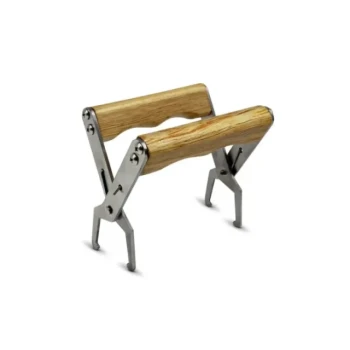
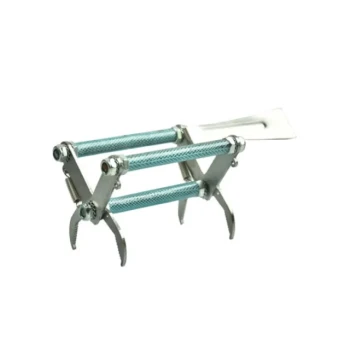
- Professional Grade Foldable Beehive Handles
- Assembled Wooden Bee Frames with Plastic Foundation for Durability and Convenience by HONESTBEE
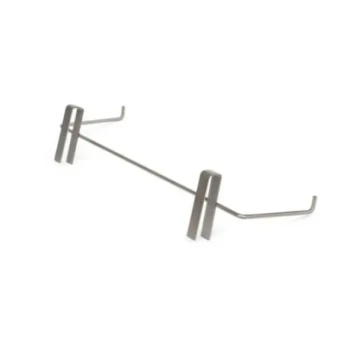
- Heavy-Duty Stainless Steel Clip-On Frame Perch
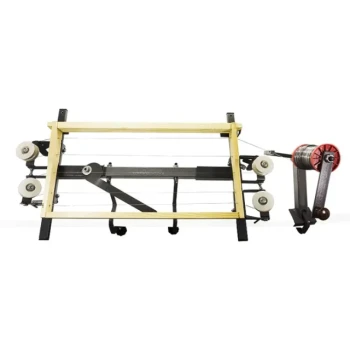
- HONESTBEE Wired and Assembled Wooden Bee Frames Foundation for a Thriving Hive
- Plastic Bee Frame Beekeeping Hive Frames for Wholesale
People Also Ask
- How do bee hive handles facilitate the evaluation of food stores? Use the Lift Test for Winter Survival
- How do the geometry and dimensions of hive handles influence operational safety and control? Expert Design Insights
- What is a bee hive tool? Discover Why It’s the Most Essential Hand Tool for Every Beekeeper
- What are the common sizes and features of bee hive tools? Choose the Right Tools for Your Apiary
- What is the role of professional hive tools in routine apiary maintenance? Expert Tips for Hive Health and Longevity