American Foulbrood requires source elimination, not simply symptom control. The disease is caused by Paenibacillus larvae, which produces exceptionally persistent spores. Antibiotics can suppress active bacteria but do not reliably destroy these spores, allowing contaminated frames, hive bodies, and tools to remain a source of reinfection.
The central issue is the spore, not the active infection. Because AFB spores can survive for decades and spread through contaminated comb, wood, tools, and robbing activity, infected materials must be destroyed or treated with an officially accepted, validated decontamination process.
Why AFB Spores Are Difficult to Eliminate
The disease changes into a persistent spore reservoir
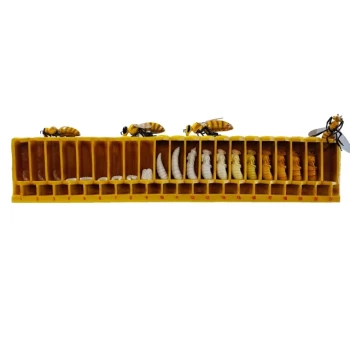
AFB infects young larvae, typically within the first 36 hours after hatching. As infected larvae die and decompose, they form sticky, ropy material and scales containing billions of spores.
These spores can remain viable on hive equipment for many years. The visible infection may disappear, but the contamination remains embedded in the apiary’s equipment.
Nurse bees distribute spores throughout the hive
Nurse bees cleaning infected cells can acquire spores and spread them across comb, frames, hive bodies, and other components. The contamination is therefore rarely limited to the original larval cell.
This makes selective treatment unreliable. A hive that appears improved may still contain multiple hidden spore reservoirs.
Why Chemical and Antibiotic Treatments Are Insufficient
Antibiotics affect active bacteria, not dormant spores
Antibiotics primarily act against the vegetative, growing form of Paenibacillus larvae. They do not reliably eliminate dormant AFB spores.
Treatment may therefore suppress symptoms without removing the underlying contamination. When conditions become favorable, spores can germinate and initiate another outbreak.
Chemical disinfection has practical limitations
AFB spores are highly resistant to many conventional disinfectants. Chemical effectiveness also depends on concentration, exposure time, surface condition, and whether wax, propolis, scale, or other organic material blocks contact.
Woodenware is particularly difficult to disinfect because it is porous and contains joints, cracks, and crevices where spores can remain protected. Applying a chemical to the surface does not prove that the entire contaminated area has been treated.
Treatment can create a false sense of security
A chemically treated hive may look clean while still carrying infectious spores. This is especially dangerous in commercial operations, where equipment is moved between colonies, apiaries, customers, or distribution channels.
Antibiotic use can also contribute to resistance and may mask clinical signs, delaying detection and increasing the risk of wider transmission.
Why Destruction Breaks the Infection Cycle
Burning removes the contaminated material itself
Destruction is effective because it eliminates the physical substrate carrying the spores. Infected comb and wax are generally not suitable for reliable decontamination and should be destroyed according to local regulatory requirements.
For heavily contaminated or difficult-to-clean woodenware, destruction is often the most dependable way to remove hidden spores from the apiary.
It prevents equipment from becoming a transmission vehicle
Contaminated frames, hive bodies, covers, floors, and tools can spread AFB when reused or transferred. They can also contaminate healthy colonies through robbing bees, shared equipment, or routine beekeeping activity.
Removing these items from circulation breaks a major pathway for cross-contamination.
It protects the wider beekeeping network
AFB is not only an individual-hive problem. Contaminated equipment can affect neighboring colonies, commercial apiaries, customers, and regional bee populations.
For distributors, wholesalers, and beekeepers, strict disposal and replacement procedures are therefore part of operational biosecurity—not merely a treatment preference.
What Can Be Reused?
Reusable equipment requires validated decontamination
Not every item must automatically be destroyed in every jurisdiction. Some durable wooden hive components may be reused if they are thoroughly scraped, cleaned, and treated using an officially accepted method, such as appropriate scorching or another validated disinfection process.
The method must reach internal surfaces, corners, joints, and crevices. Equipment should not be returned to service merely because its exterior appears clean.
Comb and porous contaminated materials present greater risk
Wax comb is difficult to disinfect consistently because spores can be retained throughout the material. Infected comb should generally be destroyed rather than returned to colonies.
The same principle applies to equipment that cannot be completely cleaned or reliably treated. When uncertainty exists, replacement is safer than preserving a low-value component at the risk of reinfecting an entire apiary.
Local regulations determine the required response
AFB control orders, reporting rules, quarantine requirements, and approved decontamination methods vary by jurisdiction. Professional operations should follow the instructions of the relevant apiary inspector or animal-health authority.
Destruction may involve approved incineration or other controlled disposal methods. Burning equipment in an unsuitable location can create additional safety, environmental, and regulatory problems.
Understanding the Trade-offs
Destruction has a direct economic cost
Destroying frames, boxes, and related woodenware creates immediate replacement costs. It can also disrupt production schedules and require rapid sourcing of standardized replacement equipment.
However, retaining contaminated hardware can produce larger losses through recurring outbreaks, colony replacement, quarantine, lost honey production, and customer or apiary-wide contamination.
Decontamination is not automatically the cheaper option
Reuse may reduce hardware expenditure, but only when the cleaning and sterilization process is thorough, approved, and verifiable. Inadequate treatment can transfer the disease to new colonies and make the original savings insignificant.
The decision should be based on infection risk and the equipment’s cleanability—not on its replacement price alone.
Disposal and replacement must be managed carefully
Moving infected equipment before it is secured can spread spores to vehicles, warehouses, tools, and other apiaries. Replacement equipment should also be kept separate from contaminated materials until cleaning, disposal, and biosecurity procedures are complete.
For commercial suppliers, dependable inventory, rapid order fulfillment, and clear product traceability are important because AFB incidents can create urgent replacement requirements.
Making the Right Choice for Your Goal
The appropriate response combines disease notification, controlled disposal, decontamination, and prevention of equipment movement.
- If your primary focus is protecting healthy colonies: Remove infected comb and unreliably cleanable equipment from service, follow local AFB control requirements, and decontaminate reusable tools and components using approved methods.
- If your primary focus is reducing long-term operating losses: Treat destruction or validated sterilization as a biosecurity investment, because recurring AFB outbreaks can cost more than replacing contaminated woodenware.
- If your primary focus is commercial supply and fulfillment: Maintain reliable access to frames, hive bodies, tools, and replacement hardware so affected operations can respond quickly without circulating suspect equipment.
- If your primary focus is safe equipment reuse: Reuse woodenware only when every surface can be thoroughly cleaned and treated by a recognized, effective procedure; otherwise, destroy it.
The safest AFB strategy is to eliminate spore reservoirs decisively and keep contaminated equipment out of circulation.
Summary Table:
| Aspect | Destruction | Chemical Treatment |
|---|---|---|
| Spore Elimination | Removes contaminated material entirely | Does not reliably kill spores |
| Risk of Reinfection | Breaks infection cycle | High risk of recurrence |
| Equipment Reuse | Replacement required for high-risk items | Only with validated decontamination |
| Cost | Immediate replacement cost | Potential hidden costs from recurring outbreaks |
| Effectiveness | Highly reliable | Limited by porous wood and spore resistance |
Ensure your apiary is protected with reliable, high-quality beekeeping equipment. At HONESTBEE, we offer a comprehensive range of beehives, frames, and essential tools to help you promptly replace contaminated gear. Our one-stop sourcing, fast delivery, and expert support ensure you can maintain biosecurity without disruption. Contact us today to secure your supply and minimize downtime. Get in touch.
Related Products
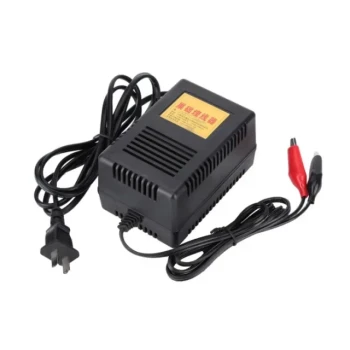
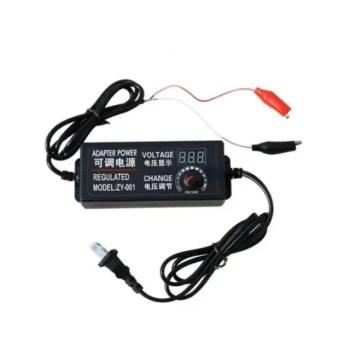
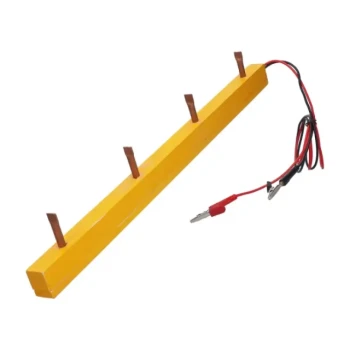
- HONESTBEE AC Powered Wire Embedder with Alligator Clips
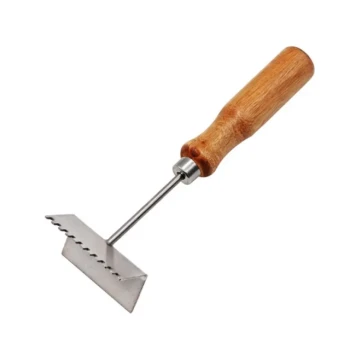
- Heavy-Duty Ergonomic Grip Galvanized Pollen Shovel
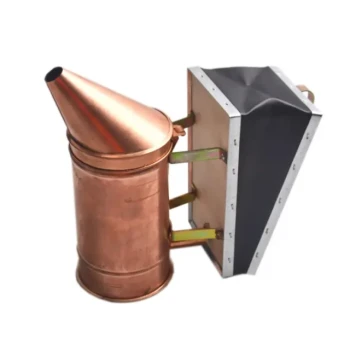
- Premium Traditional Copper Bee Smoker with Bellows
- Solar Beeswax Melter Easy Solar Wax Melter for Beeswax
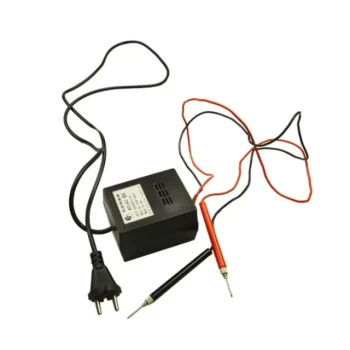
- Professional Frame Preparation: The HONESTBEE Electric Wire Embedder
People Also Ask
- How can combs be further strengthened? Embed Wires for Durable, High-Yield Hives
- What is an embedder in beekeeping? Essential Tool for Strengthening Wax Foundation & Hive Frames
- Why must strict sanitary and health prevention protocols be implemented for honeybee transport? Maximize Colony Survival
- What are the primary indicators of healthy honeybee colonies? Optimize Your Commercial Apiary for Peak Productivity
- Why must honeybee samples be stored in high-concentration ethanol and low temperatures? Ensure Genetic & Physical Integrity