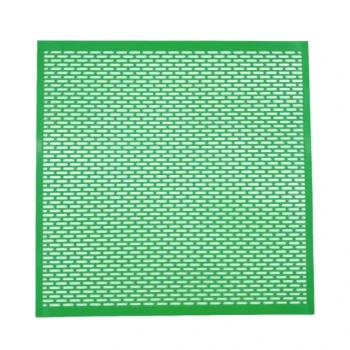
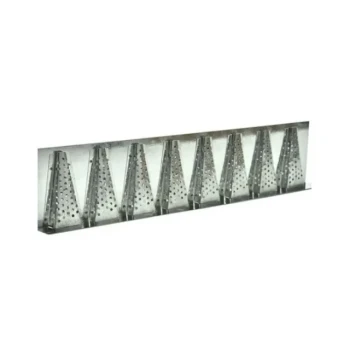
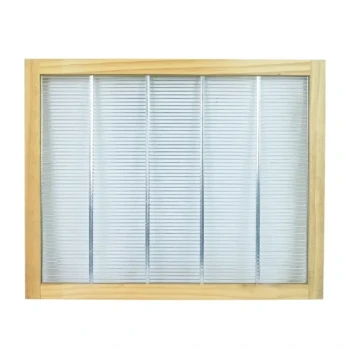
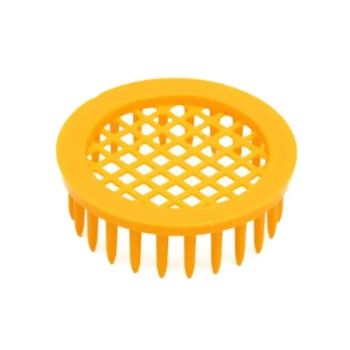
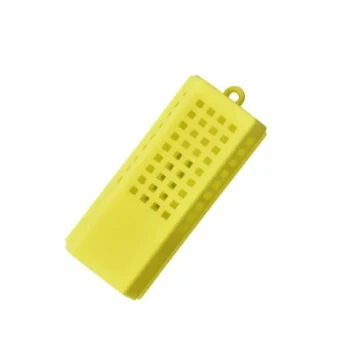
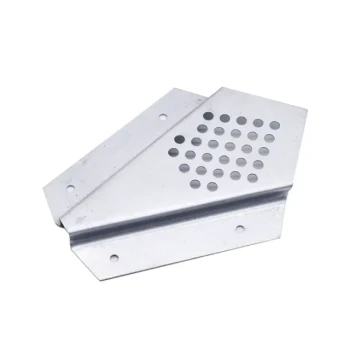
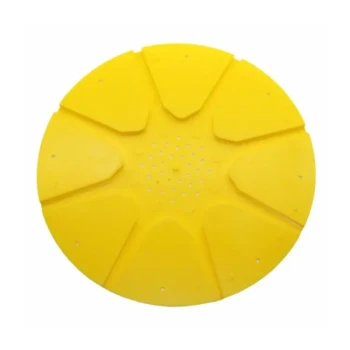
A plastic queen excluder is installed at the entrance of a lightweight pollination hive to serve as a physical security barrier. Its precise grid dimensions allow smaller worker bees to pass through freely for foraging, but the gaps are too narrow for the significantly larger queen bee to exit the hive.
By physically preventing the queen from leaving, the excluder eliminates the risk of the colony swarming or absconding. This ensures the workforce remains intact and focused on pollination duties throughout the blooming season.
The Mechanics of Colony Retention
Physical Filtering
The excluder functions based on size discrimination. The slots are calibrated to be just wide enough for the thoracic width of a worker bee, allowing them unobstructed access to the outside world.
Confining the Queen
Because the queen bee has a larger thorax and abdomen, she is physically unable to squeeze through the plastic barrier. This effectively traps her inside the hive structure regardless of her instinct to leave.
Why Retention is Critical for Pollination
Preventing Absconding
Pollination hives are often moved frequently and placed in varying environments, which can stress the colony. Without an entrance barrier, this stress might cause the colony to abscond (abandon the hive entirely) in search of a better location.
Controlling Swarming
Strong colonies naturally reproduce by swarming, where the queen leaves with a portion of the workers to start a new nest. If the queen cannot leave, the swarm cannot initiate, keeping the bee population concentrated on the target crop.
Ensuring Efficiency
The primary goal of a pollination hive is work efficiency. By locking the queen inside, the beekeeper guarantees that the colony remains populous and active, maintaining high pollination rates for the duration of the placement.
Understanding the Trade-offs
Potential for Congestion
While the excluder secures the queen, it forces every forager to navigate a grate to enter or exit. In extremely active hives, this can create a traffic bottleneck at the entrance, slightly slowing down the rate of foraging compared to an open entrance.
Debris Accumulation
Because the entrance is partially obstructed by the plastic grid, hives may have more difficulty removing dead bees or debris. Regular monitoring is required to ensure the ventilation and passage remain clear.
Making the Right Choice for Your Goal
- If your primary focus is crop security: Use an entrance excluder to guarantee the colony remains on-site and the population stays high for the duration of the bloom.
- If your primary focus is honey production: Consider using excluders only internally (between boxes) rather than at the entrance, to maximize the speed of nectar-gathering workers.
A secure queen ensures a stable workforce, making the entrance excluder a vital tool for reliable commercial pollination.
Summary Table:
| Feature | Purpose | Impact on Pollination |
|---|---|---|
| Size Discrimination | Filters workers from the queen | Ensures the colony population remains stable |
| Absconding Prevention | Locks the queen inside | Prevents the colony from abandoning the crop |
| Swarm Control | Stops queen from exiting | Keeps the workforce concentrated on the target area |
| Physical Barrier | Restricts entrance/exit size | May cause slight traffic congestion or debris buildup |
Secure Your Pollination Success with HONESTBEE
At HONESTBEE, we specialize in empowering commercial apiaries and distributors with the high-performance tools needed for efficient crop pollination. Whether you require durable plastic queen excluders, hive-making machinery, or specialized honey-filling equipment, our comprehensive wholesale portfolio covers the full spectrum of modern beekeeping hardware and consumables.
Partner with HONESTBEE to enhance your operational efficiency and yield:
- Reliable Hardware: From entrance barriers to industrial machinery.
- Wholesale Solutions: Tailored offerings for large-scale operations and distributors.
- Industry Expertise: Quality consumables designed for the rigors of commercial beekeeping.
Contact HONESTBEE Today to Discuss Your Wholesale Needs
References
- Robert Manning. The Beetube — a new honey bee pollination device in Western Australia. DOI: 10.1071/ea01141
This article is also based on technical information from HonestBee Knowledge Base .
Related Products
- Lightweight Durable Plastic Queen Excluder Scraper for Beekeeping
- Plastic Queen Bee Excluder for Bee Hive Wholesale
- Professional Plastic Queen Excluder for Modern Beekeeping
- High Performance Plastic Queen Excluder for Beekeeping and Apiary Management
- Beehive Entrance Discs Plastic Bee Entrance Disc for Bee Hives
People Also Ask
- Why are standardized hive frames and queen excluders essential for maintaining honey purity and quality? Scale Your Purity
- What types of queen excluders are available for beekeepers? Choose the Right Tool for Your Hive
- What are the benefits of using a queen excluder for monitoring and managing the queen bee? Master Hive Control Today!
- What is the purpose of removing queen excluders during the queen bee installation? Maximize Colony Growth Today
- What is a queen excluder in beekeeping? A Guide to Hive Management & Honey Production