Durable beekeeping tools are essential because they allow apiaries to manage colonies safely, consistently, and efficiently despite changing environmental conditions. From arid lowlands to humid mountain regions, colonies face different combinations of heat, moisture, pests, predators, forage availability, and seasonal pressures. Robust protective equipment, smokers, hive tools, hive hardware, and monitoring devices help beekeepers maintain colony health and production when local conditions are difficult.
The core issue is operational reliability: durable equipment keeps inspections, pest control, hive transfers, pollination work, and harvesting moving when colonies and weather are unpredictable. For commercial apiaries, dependable tools are not optional accessories; they are infrastructure for protecting colony stability and business continuity.
Why Environmental Diversity Makes Apiary Management Difficult
Colonies face different stresses in each location
An apiary in an arid lowland may contend with heat, water scarcity, and rapidly changing forage conditions. A mountain apiary may instead face high humidity, cooler temperatures, difficult terrain, and shorter flowering periods.
These differences affect how often colonies require inspection, how equipment must be handled, and how quickly beekeepers need to respond to threats.
Seasonal forage changes increase management demands
Flowering cycles determine when colonies need to be moved, inspected, or prepared for honey production. Orchard operations may require repeated transfers from early spring through late autumn as different crops enter bloom.
During these periods, equipment receives frequent use. A failed hive tool, damaged protective suit, or unreliable smoker can interrupt work during a critical pollination or nectar-collection window.
Pests and predators require early intervention
Wax moths, ants, and other threats can weaken colonies if they are not detected promptly. Predators and environmental changes can be especially serious for bee species with limited defensive capabilities, such as stingless bees.
Regular inspections provide the earliest opportunity to identify these risks. Durable tools make those inspections safer, more thorough, and more repeatable.
How Durable Tools Protect Colony Health
Protective equipment enables consistent inspections
Protective suits, gloves, veils, and other safety equipment give beekeepers the confidence to work closely with colonies. This reduces the likelihood that fear of stings or inadequate protection will cause inspections to be delayed or shortened.
More consistent inspections improve the chances of detecting disease, pests, weakened colonies, and environmental stress before they become severe.
Smokers and hive tools reduce handling disturbance
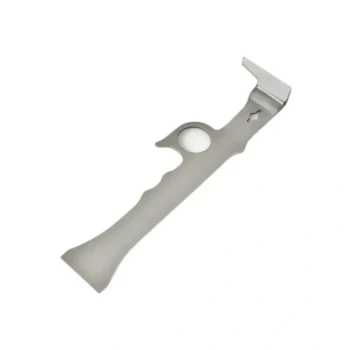
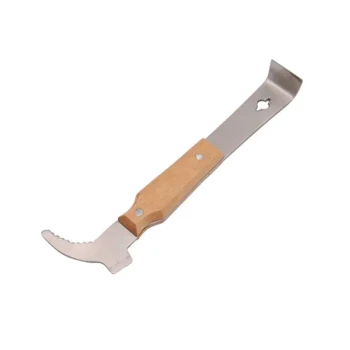
Smokers help beekeepers manage defensive colony behavior during inspections. Hive tools allow frames, covers, and hive components to be separated and repositioned accurately.
When these tools function properly, operations can be completed with less unnecessary disturbance. This supports rational colony management while helping preserve colony stability.
Monitoring equipment reveals hidden environmental risks
Temperature and humidity recorders provide information that cannot always be identified through visual inspection alone. Excess moisture, abnormal temperature changes, or other environmental shifts may indicate conditions that threaten colony survival.
Physical shielding and environmental monitoring are particularly valuable for vulnerable colonies. Together, they provide both preventative protection and information for timely intervention.
Why Durability Matters to Commercial Apiaries
Equipment failure creates operational bottlenecks
Modern hives and management systems depend on specialized accessories and consumables. If these inputs are unavailable or fail during use, beekeepers may be forced to delay work or return to less efficient traditional methods.
The result can be lower harvesting efficiency, missed inspections, reduced pollination performance, and greater risk of colony loss.
High-frequency operations demand industrial-grade equipment
Commercial beekeepers may inspect, transfer, feed, protect, and harvest from colonies repeatedly throughout the season. Tools used in these workflows must withstand transport, outdoor exposure, moisture, dirt, and repeated handling.
Durability reduces replacement frequency and helps keep labor focused on colony management instead of repairs and interruptions.
Reliable tools protect pollination windows
In orchard environments, timing is directly connected to crop flowering. A shutdown caused by damaged equipment can prevent colonies from being placed or inspected when pollination is most valuable.
Dependable tools help maintain continuous operations, allowing colonies to use nectar and pollen resources throughout the available flowering period.
Standardization improves workflow consistency
A standardized set of compatible hive hardware and professional tools makes procedures easier to repeat across different sites. Teams can inspect colonies, manage frames, monitor conditions, and harvest using consistent methods.
For distributors, wholesalers, and B2B resellers, a full-spectrum product portfolio is therefore valuable. Supplying protective gear, smokers, hive tools, monitoring devices, hardware, and consumables through one source can simplify purchasing and reduce gaps in operational readiness.
Durable Equipment Supports Sustainable Beekeeping
Efficient harvesting reduces unnecessary colony disturbance
Specialized hive systems and accurate tools can improve honey collection efficiency while minimizing disruption to the colony. This allows beekeepers to obtain production value without excessive handling or over-exploitation of local plant resources.
The benefit extends beyond honey. Healthy colonies provide pollination services that support vegetation and biodiversity across varied ecosystems.
Colony stability strengthens long-term production
Preventing avoidable losses from improper handling, infestation, or environmental exposure protects the productive capacity of the apiary. Durable equipment supports the repeated, careful interventions needed to maintain that stability.
This is especially important when colonies are exposed to pesticide risks, pest pressure, difficult weather, or changing forage conditions.
Safe equipment supports professional labor practices
Protective and management tools create a safer working environment for beekeepers and field teams. Safer operations make it more practical to conduct thorough inspections at the frequency that colony health requires.
For commercial operators, worker safety and colony care are connected: teams that can work safely are better positioned to maintain consistent management standards.
Understanding the Trade-offs
Lower upfront cost can create higher operating costs
Inexpensive tools may appear attractive when purchasing large quantities. However, early breakage, poor fit, corrosion, or inconsistent performance can increase replacement, labor, and downtime costs.
The relevant comparison is total operating value, not purchase price alone.
Durability must match the working environment
A tool designed for occasional backyard use may not be suitable for commercial transfers, wet climates, rough terrain, or extended seasonal work. Buyers should evaluate construction quality, weather resistance, ergonomics, compatibility, and expected usage frequency.
The most durable product is not automatically the best choice if it is poorly matched to the apiary's workflow.
Tools cannot replace sound management
Protective equipment and monitoring devices support good beekeeping practices, but they do not eliminate the need for trained personnel, appropriate hive placement, pest-control procedures, and regular observation.
Equipment is an enabler of effective management. It cannot compensate for delayed inspections or unsuitable operational decisions.
Supply reliability is part of product quality
Even high-quality tools have limited value if replacement parts, consumables, or replenishment orders are difficult to obtain. Distributors and resellers should therefore assess supplier response times, order fulfillment, product breadth, and customer support alongside physical durability.
A dependable supply partner helps apiaries remain equipped throughout changing seasons and unexpected demand.
Making the Right Choice for Your Goal
Selecting equipment should reflect the apiary's environmental exposure, operating frequency, colony type, and production schedule.
- If your primary focus is colony health: Prioritize durable protective gear, smokers, hive tools, and monitoring equipment that support frequent, low-disturbance inspections.
- If your primary focus is commercial productivity: Choose industrial-grade tools and standardized hive hardware that withstand repeated transfers, harvesting, and seasonal field operations.
- If your primary focus is pollination services: Maintain complete, ready-to-deploy equipment sets so colony movements and inspections are not interrupted during flowering windows.
- If your primary focus is distribution efficiency: Work with a supplier offering one-stop access to protective products, hive hardware, tools, monitoring equipment, and consumables, backed by responsive service and reliable fulfillment.
- If your primary focus is sustainable production: Use specialized equipment that improves harvesting accuracy, limits unnecessary colony disturbance, and supports stable pollination activity.
With the right durable tools and a reliable supply system, apiaries can protect colony welfare, maintain productivity, and adapt confidently to diverse environmental conditions.
Summary Table:
| Factor | Impact of Durable Tools |
|---|---|
| Environmental Diversity | Enables consistent inspections and timely interventions in varied conditions (arid, humid, etc.) |
| Pest and Predator Threats | Supports early detection and intervention through reliable inspections |
| Seasonal Forage Changes | Reduces interruptions during critical pollination and nectar collection windows |
| Protective Equipment | Facilitates frequent, safe inspections, leading to better colony health |
| Smokers and Hive Tools | Reduces disturbance during inspections, preserving colony stability |
| Monitoring Equipment | Reveals hidden environmental risks not visible to the naked eye |
| Operational Efficiency | Prevents bottlenecks by reducing equipment failure and downtime |
| Workflow Consistency | Standardized tools enable consistent procedures across multiple sites |
| Sustainable Practices | Supports efficient harvesting and minimal disturbance, promoting long-term productivity |
| Total Cost of Ownership | Durable tools lower replacement and labor costs despite higher initial investment |
Ready to equip your apiary for success in any environment? At HONESTBEE, we provide a comprehensive range of durable beekeeping tools, from protective gear and smokers to hive hardware and monitoring devices. As a one-stop source for commercial apiaries and distributors, we ensure rapid response, dedicated service, and ultra-fast delivery. Whether you need to safeguard colony health, maximize productivity, or streamline your supply chain, our full-spectrum portfolio and expert support have you covered. Contact us today to discuss your needs and discover how we can enhance your operations — Get in touch now!
Related Products
- HONESTBEE 15-in-1 Beekeeper Multi-Tool with Hammer and Pliers for Beekeeping
- Stainless Steel J Hook Hive Tool for Beekeeping
- HONESTBEE Advanced Ergonomic Stainless Steel Hive Tool for Beekeeping
- Stainless Steel Queen Grafting Tool for Beekeeping and Bee Queen Grafting
- Ergonomic Plastic Frame Spacer Tool for Rapid Hive Management Beekeeping
People Also Ask
- What is the recommended method for storing beekeeping tools? Expert Vertical Storage Solutions for Your Apiary
- How does a favorable microclimate interact with beekeeping tools? Boost Overwintering Success and Equipment Longevity
- Why is the treatment of beekeeping tools with high-concentration chemical disinfectants necessary for preventing AFB?
- Why are specialized beekeeping tools and consumables essential? Enhance Colony Management and Honey Yield Today
- How does the stable local supply of beekeeping tools affect technology adoption? Building Sustainable Apiaries