Precision temperature control is a biological necessity, not a luxury, when combating American Foulbrood (AFB) because the causative agent is exceptionally resilient. High precision ensures that sterilization equipment consistently reaches and maintains the critical threshold of 140°C, the specific temperature required to inactivate Paenibacillus larvae spores, which remain unaffected by standard boiling water at 100°C.
American Foulbrood spores are bacterial endospores capable of surviving for decades and withstanding temperatures that kill most other pathogens. The core necessity for precision arises because falling even slightly below the 140°C thermal kill zone results in sterilization failure and the continued spread of disease.
The Biological Resilience of AFB
Beyond Standard Thermal Limits
Most bacteria are eliminated at boiling temperatures, but Paenibacillus larvae is different.
The spores produced by this bacterium are highly resistant to standard thermal treatments. They remain fully active and infectious even after exposure to 100°C.
The Long-Term Threat
These are not merely surface contaminants; they are bacterial endospores.
This biological structure allows them to survive on beehives, frames, and tools for decades. Without total eradication, these dormant spores act as a reservoir for future outbreaks.
The Role of Precision Equipment
Crossing the 140°C Threshold
To ensure safety, disinfection equipment must exceed the survival limit of the spores.
The spores only become inactive when exposed to temperatures of 140°C. Professional sterilization equipment provides the accurate thermostatic control needed to hit this target without fluctuation.
Deep Thermal Penetration
Reaching the correct air temperature inside a chamber is not enough.
The heat must penetrate deeply into the wooden components, frames, and tools where spores hide. Precision equipment ensures that the thermal energy permeates every crevice, guaranteeing that no spore is left viable to restart the infection cycle.
Understanding the Trade-offs
The Risk of Inconsistency
If sterilization equipment lacks precision, it may fluctuate below the 140°C requirement during the cycle.
This creates "cold spots" where spores survive. A treatment that is 99% effective is effectively useless against AFB, as the remaining spores can re-establish the disease immediately.
Destruction vs. Disinfection
There is a distinction between saving equipment and destroying the source.
While combustion (burning) is often used for heavily infected colonies to destroy the gear entirely, precision disinfection is the only way to salvage wooden structures safely. Attempting to save gear with imprecise heat is a false economy that risks your entire operation.
Making the Right Choice for Your Goal
To effectively manage AFB, your equipment choice must align with the severity of the threat.
- If your primary focus is salvaging expensive wooden ware: You must utilize equipment certified to maintain a stable core temperature of at least 140°C to guarantee spore inactivation.
- If your primary focus is absolute elimination of a heavy infestation: You should opt for combustion destruction methods to completely remove the spore reservoir and break the transmission chain.
Reliable disease management relies on the certainty that your thermal treatment has completely neutralized the biological threat.
Summary Table:
| Feature | Standard Boiling (100°C) | Precision Sterilization (140°C) | Combustion (Burning) |
|---|---|---|---|
| Target Pathogen | Common Bacteria | Paenibacillus larvae Spores | All Biological Material |
| Effectiveness | Ineffective against AFB | Complete Spore Inactivation | Total Eradication |
| Equipment Impact | Preserves woodenware | Preserves & Disinfects | Destroys Equipment |
| Primary Use | General Cleaning | Commercial Disinfection | Heavy Infestation Control |
Protect Your Apiary with Professional-Grade Disinfection Solutions
Don't let American Foulbrood compromise your commercial operation. HONESTBEE specializes in providing high-precision beekeeping machinery and tools designed to meet the rigorous demands of commercial apiaries and distributors. From advanced sterilization equipment that hits the critical 140°C threshold to honey-filling machines and specialized hardware, our comprehensive wholesale portfolio ensures your business remains productive and disease-free.
Ready to upgrade your apiary’s biosecurity? Contact us today to explore our full range of essential industry consumables and specialized beekeeping machinery!
References
- Monika Kucharczyk, Daniel Borowiak. PROBLEMS OF BEEKEEPING IN POLAND. DOI: 10.15611/pn.2017.494.11
This article is also based on technical information from HonestBee Knowledge Base .
Related Products
- Wooden Bee Brush with Triple Row Artificial Fiber for Beekeeping
- Classic Wooden Bee Brush with Double-Row Boar Bristles
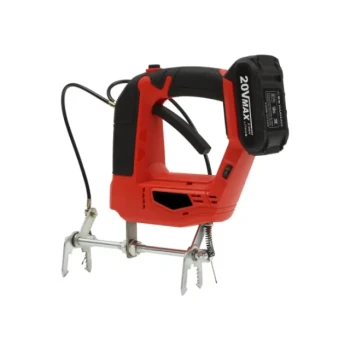
- High Performance Cordless Electric Bee Shaker for Beekeeping
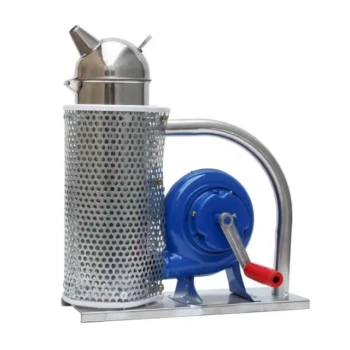
- Stainless Steel Honey Bee Smoker Hive and Honeycomb Smoker for Beekeeping
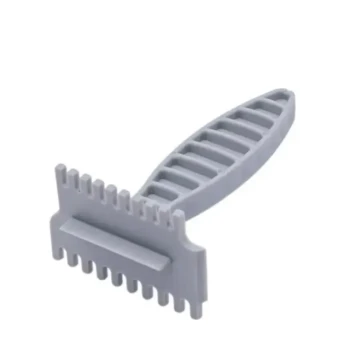
- Lightweight Durable Plastic Queen Excluder Scraper for Beekeeping
People Also Ask
- What is the specific function of a bee brush? Ensure Pure Harvests and Colony Welfare During Honey Extraction
- What are the key characteristics of the bristles on a bee brush? Master Gentle and Efficient Bee Removal
- What is the purpose of using a bee brush during the inspection of hive components? Safe & Precise Hive Management
- What problem does a bee brush solve? Protect Your Colony with Gentle Precision Tools
- Why is a bee brush necessary when extracting honeybee hive frames that contain larvae? Protect Your Brood and Colony