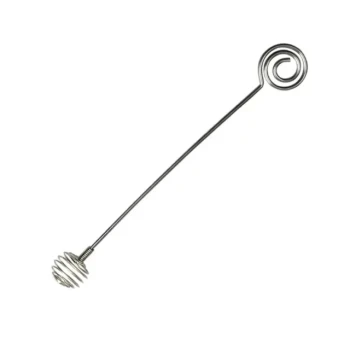
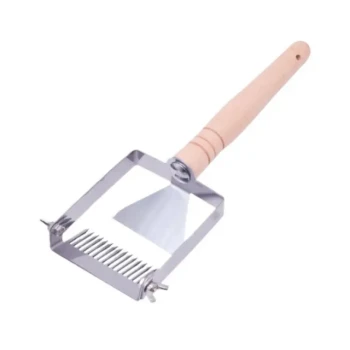
Independent sampling from closed storage pots is essential because it isolates honey that has reached its final state of biological processing. Unlike open pots, which may contain unripe nectar or be subject to atmospheric moisture absorption, closed pots represent honey that worker bees have fully dehydrated and sealed. Using specialized tools on these specific pots eliminates variables caused by incomplete ripening, ensuring accurate data for quality standardization.
Core Takeaway Sampling exclusively from closed pots effectively filters out environmental noise and biological variability found in open, processing cells. This method provides the only reliable baseline for establishing moisture standards and ensuring the long-term stability of stingless bee honey.
The Biological Significance of Closed Pots
Defining the "Final State"
Closed storage pots indicate that the honey has been fully processed by the colony. Worker bees cap these pots only after they have successfully dehydrated the nectar to a level they deem stable for storage.
Excluding Process Fluctuations
Open pots often contain honey that is still in the ripening phase. Sampling from these sources introduces significant data errors because the moisture content has not yet stabilized.
Minimizing Environmental Interference
Honey is hygroscopic, meaning it absorbs moisture from the air. Closed pots provide a natural barrier, protecting the honey from ambient humidity fluctuations that would skew moisture readings taken from open cells.
The Role of Specialized Tools
Precision Measurement
The "specialized tools" required for this process are typically high-precision refractometers. These instruments measure the refractive index of the honey—how light bends as it passes through the liquid—to calculate water content instantly.
Non-Destructive Analysis
Modern refractometers allow for the rapid determination of moisture mass fraction without destroying large quantities of the product. This efficiency is critical for real-time monitoring of hive health and harvest readiness.
Implications for Quality Control
Establishing a Standardized Indicator
To define a quality standard for a specific bee species under specific environmental conditions, the data input must be consistent. Sampling from closed pots provides a standardized moisture indicator that is reproducible across different colonies.
Predicting Storage Stability
Moisture content is the primary factor influencing fermentation and shelf life. By measuring the "finished" product in closed pots, producers can accurately assess whether the honey meets the requirements—such as international standards often set below 20%—to resist spoilage.
Common Pitfalls and Trade-offs
The Danger of Mixed Sampling
A common mistake is blending samples from open and closed pots to get an "average" reading. This approach artificially inflates moisture readings, leading to incorrect assumptions about the honey's maturity and potential shelf life.
Tool Calibration Sensitivity
While refractometers are powerful, they rely on precise calibration. If the tool is not calibrated for the specific viscosity or temperature of stingless bee honey, even a sample from a closed pot will yield misleading data regarding compliance with trade standards.
Making the Right Choice for Your Goal
To ensure your data accurately reflects the quality of your harvest, apply the following strategies:
- If your primary focus is establishing quality standards: Strictly sample only from sealed, closed pots to ensure you are measuring fully processed honey.
- If your primary focus is preventing fermentation: Use a high-precision refractometer to verify that moisture levels are low enough to ensure biological stability during storage.
Accurate moisture analysis begins not with the measurement tool, but with the disciplined selection of the correct biological sample.
Summary Table:
| Feature | Closed Storage Pots | Open Storage Pots |
|---|---|---|
| Biological State | Fully processed & ripened | Incomplete ripening (nectar) |
| Moisture Stability | Dehydrated and sealed | Subject to atmospheric absorption |
| Data Reliability | High (stable baseline) | Low (variable fluctuations) |
| Hygroscopic Risk | Protected from ambient air | Highly sensitive to humidity |
| Quality Purpose | Establishing industry standards | Real-time processing monitor |
Elevate Your Apiary Standards with HONESTBEE
Precision in moisture measurement is the foundation of high-quality stingless bee honey. At HONESTBEE, we empower commercial apiaries and distributors with the professional-grade tools and machinery needed to maintain these rigorous standards. From high-precision measurement instruments to advanced honey-filling machines and specialized hive-making equipment, we provide a comprehensive wholesale solution for the modern beekeeping industry.
Whether you are scaling your production or supplying the next generation of beekeepers with premium consumables and cultural merchandise, HONESTBEE is your partner in excellence.
Ready to optimize your harvest and ensure long-term honey stability? Contact us today to explore our full equipment catalog!
References
- Lubertus Bijlsma, M. J. Sommeijer. Water content of stingless bee honeys (<b><i>Apidae, Meliponini</i></b>): interspecific variation and comparison with honey of<b><i>Apis mellifera</i></b>. DOI: 10.1051/apido:2006034
This article is also based on technical information from HonestBee Knowledge Base .
Related Products
- Digital Honey Refractometer for Precision Measurement of Optimal Honey Quality
- Precision Honey Refractometer Instrument for Quality Assessment
- Professional Stainless Steel Pry-Bar Hive Tool
- Modern Stainless Steel Honey Dipper Stirrer
- Professional Stainless Steel Honey Filtering Machine with Water Bath Heating for Beekeeping
People Also Ask
- What role do high-precision refractometers play in determining the maturity and quality of honey? Ensure Honey Purity.
- Do the color and viscosity of honey affect its refractometer reading? Mastering Moisture Measurement Accuracy
- What is the best way to store a honey refractometer? Preserve Accuracy and Extend Its Lifespan
- What is a honey refractometer? The Essential Tool for Perfect Honey Quality
- How do refractometers ensure technical precision when measuring honey moisture? Secure Quality and Prevent Fermentation