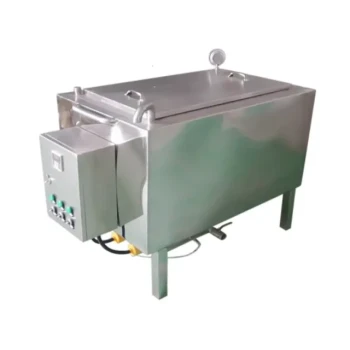
Industrial low-temperature drying equipment is essential because it resolves the critical conflict between necessary dehydration and nutrient preservation. It provides precise thermal regulation between +40 and +42°C, rapidly reducing moisture to suppress microbial growth without "cooking" the product. This specific temperature window ensures the retention of heat-sensitive vitamins, enzymes, and antioxidants that would be destroyed by conventional high-heat drying methods.
Core Takeaway: Fresh bee pollen is biologically active and highly perishable. Industrial low-temperature drying is the only method that reliably reduces moisture below 10% to prevent toxic mold growth while simultaneously maintaining the pollen’s original nutritional and enzymatic profile.
The Race Against Spoilage
High Moisture and Biological Activity
Freshly collected bee pollen contains high moisture levels and strong biological activity. Because it is nutrient-dense, it serves as an ideal substrate for rapid microbial growth. Without immediate intervention, the product begins to degrade and spoil shortly after harvest.
The Threat of Pathogens and Mycotoxins
If moisture is not removed quickly, dangerous fungi such as Aspergillus can colonize the pollen. This growth often leads to the production of mycotoxins like Ochratoxin A. Industrial drying equipment rapidly reduces water activity, effectively destroying the conditions required for these pathogens and bacteria like Salmonella to survive.
Achieving Commercial Stability
To enter the commercial trade, bee pollen must meet standardized quality requirements. Industrial equipment ensures the moisture content is consistently brought below 10%. This level is critical for extending shelf life and meeting legal safety standards.
Preserving Nutritional Integrity
The 40-42°C Threshold
The precise control of temperature is the defining feature of this equipment. Operating strictly between +40 and +42°C is non-negotiable for high-quality pollen. This range provides enough thermal energy to evaporate water but remains low enough to protect the product's chemical structure.
Protecting Heat-Sensitive Components
Bee pollen is valued for its specific bioactive ingredients, including B-group vitamins, enzymes, and proteins. These components are extremely sensitive to heat and will denature or degrade if exposed to higher temperatures. Low-temperature drying minimizes nutritional loss, ensuring the final product delivers the functional benefits consumers expect.
Understanding the Trade-offs
Temperature vs. Processing Time
A common pitfall in drying is increasing the temperature to speed up throughput. While this dehydrates the pollen faster, it irreversibly damages the enzymes and reduces market value. Conversely, drying at too low a temperature increases the processing time, which may allow mold to develop before the center of the pollen granule is dry.
Investment vs. Consistency
Industrial-grade equipment represents a higher capital investment than simple dehydration methods. However, basic methods often lack the airflow and precision required to eliminate "wet pockets" in the batch. The trade-off for the cost is the guarantee of a uniform, safe, and standardized product.
Making the Right Choice for Your Goal
When establishing a protocol for bee pollen processing, align your equipment settings with your quality objectives:
- If your primary focus is Nutritional Potency: Strictly maintain temperatures between 40-42°C to maximize the retention of enzymes and antioxidants.
- If your primary focus is Food Safety: Prioritize equipment with superior airflow to rapidly lower moisture content below 10%, inhibiting potential mycotoxin formation.
- If your primary focus is Commercial Compliance: Use industrial-grade systems to ensure every batch meets the standardized moisture limits required by legal regulations.
Precision drying is the bridge that transforms a volatile raw material into a stable, high-value superfood without compromising its biological integrity.
Summary Table:
| Feature | Low-Temperature Drying (40-42°C) | Conventional High-Heat Drying |
|---|---|---|
| Moisture Level | Reduced to <10% (Stable) | Rapidly reduced (Often over-dried) |
| Nutrient Retention | High (Vitamins & Enzymes preserved) | Low (Denaturation of proteins/vitamins) |
| Microbial Safety | Inhibits mold and mycotoxins | Inhibits mold but damages quality |
| Market Value | Premium (High bioactive content) | Low (Reduced functional benefits) |
| Consistency | Uniform drying via controlled airflow | Uneven drying with potential 'wet pockets' |
Elevate Your Pollen Quality with HONESTBEE Professional Solutions
Are you looking to scale your commercial apiary or expand your distribution of high-value superfoods? HONESTBEE specializes in empowering beekeeping businesses with the industrial tools needed for success.
From precision low-temperature drying equipment that preserves the enzymatic integrity of your harvest to high-efficiency honey-filling machines and specialized hive-making machinery, we provide the full spectrum of hardware and consumables. Partner with us to ensure your bee pollen meets the highest global standards for safety and nutritional potency.
Ready to optimize your processing facility? Contact our expert team today to discover how our wholesale machinery and industry expertise can grow your business.
References
- Polissia National University. TECHNOLOGICAL ASPECTS OF USING BEE POLLEN LOADS IN HEALTH PRODUCTS AND FUNCTIONAL NUTRITION. DOI: 10.64378/iriush.sc.2025.1.2
This article is also based on technical information from HonestBee Knowledge Base .
Related Products
- High Quality Honey Dehumidifier Dryer Thickening Machine for Beekeeping
- Heavy-Duty Ergonomic Grip Galvanized Pollen Shovel
- High Performance Cordless Electric Bee Shaker for Beekeeping
- Electric Commercial Beeswax Melter for Factory Use
- Professional Stainless Steel Honey Filtering Machine with Water Bath Heating for Beekeeping
People Also Ask
- Can you dehumidify honey? A Beekeeper's Guide to Preventing Fermentation
- How to dry up honey? The Safe Guide to Stabilizing Honey and Preventing Fermentation
- How can the moisture content of honey be reduced? A Guide to Safe, Effective Drying Methods
- How to remove humidity from honey? Protect Your Harvest from Fermentation
- What is the process for using a dehumidifier to lower honey's moisture content? Expert Drying Techniques