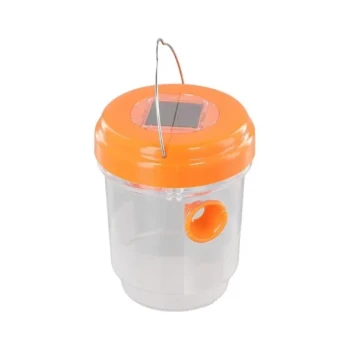
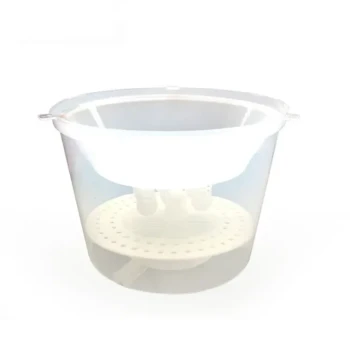
Investment in pest and predator control is emphasized in modern commercial beekeeping because it serves as the critical safeguard for colony productivity. By utilizing dedicated medications or physical traps, beekeepers actively suppress specific threats like Varroa mites and wax moths. This expenditure is necessary to minimize unnatural bee mortality, ensuring that the labor and land resources already invested in the apiary result in the expected harvest.
Specialized pest control measures act as a necessary insurance policy for your apiary. They ensure that your sunk costs in labor and land are successfully converted into tangible honey and beeswax yields rather than lost to preventable colony collapse.
Protecting the Production Base
Suppressing High-Risk Threats
Commercial colonies face constant aggression from biological threats that can decimate a population. The primary reference highlights Varroa mites and wax moths as specific dangers that require intervention.
Without specialized control measures, these pests can overwhelm a hive's natural defenses. Investing in dedicated medications or physical traps is the only reliable way to suppress these populations effectively.
Reducing Unnatural Mortality
In a commercial setting, "unnatural" mortality refers to bee deaths caused by external infestations rather than age or natural attrition.
High mortality rates reduce the workforce available for foraging and hive maintenance. By controlling predators, you directly reduce this unnatural loss, keeping the colony population robust enough to be productive.
Securing Return on Investment
Validating Labor and Land Costs
Beekeeping involves significant upfront costs, primarily in the form of labor and land resources. These investments are made long before any product is harvested.
If a colony succumbs to pests, the labor spent managing that hive and the land allocated to it yield zero return. Pest control protects the value of these inputs.
Converting Resources into Yield
The ultimate goal of commercial beekeeping is production. A healthy, pest-free colony is a biological machine designed to process resources.
Control measures ensure the colony remains healthy enough to function. This allows the bees to successfully convert their environment into expected honey and beeswax yields, validating the financial investment.
Understanding the Trade-offs
The Cost of Protection
Implementing these measures is not free; it introduces a distinct "necessary cost" to the operation. Whether purchasing medications or maintaining physical traps, this reduces the immediate profit margin per hive.
The Risk of Inaction
While the cost is a factor, the trade-off of not investing is usually far steeper. Skimping on control measures risks total asset loss, making the initial savings on medication or traps irrelevant compared to the loss of the yield.
Making the Strategic Investment
To maximize the efficiency of your commercial operation, view pest control as a production tool rather than just a maintenance expense.
- If your primary focus is Yield Assurance: Prioritize pest suppression to ensure the colony has the population density required to convert nectar into honey.
- If your primary focus is Asset Protection: Focus on minimizing unnatural mortality to prevent the total loss of the labor and land resources invested in the hive.
Effective predator control is the defining factor that allows a beekeeper to reliably turn effort and territory into a profitable product.
Summary Table:
| Key Area | Specific Benefit | Strategic Value |
|---|---|---|
| Threat Suppression | Targets Varroa mites and wax moths | Prevents colony collapse from biological threats |
| Mortality Control | Reduces unnatural bee death | Maintains a robust workforce for foraging and production |
| Asset Protection | Validates labor and land costs | Ensures that upfront investments result in a tangible harvest |
| Yield Assurance | Optimizes honey and wax output | Converts hive resources into profitable products efficiently |
Maximize Your Apiary Productivity with HONESTBEE
Protecting your commercial colonies from pests is a vital investment, not just an expense. At HONESTBEE, we empower commercial apiaries and distributors with the specialized tools needed to safeguard every hive.
From high-performance beekeeping machinery and specialized hardware to a comprehensive range of industry consumables, our wholesale offerings are designed to reduce labor costs and eliminate preventable losses. Whether you need honey-filling machines to streamline your harvest or durable hive-making equipment to scale your operation, we provide the full spectrum of solutions to ensure your labor and land investments yield maximum returns.
Ready to secure your honey yields and scale your business?
Contact HONESTBEE Today for Wholesale Solutions
References
- Olugbenga Omotayo Alabı, Chinwe Edith ANEKWE. Technical efficiency of honey and beeswax production in Kaduna State, Nigeria: Implications for climate and food security sustainability. DOI: 10.17306/j.jard.2023.01706
This article is also based on technical information from HonestBee Knowledge Base .
Related Products
- Professional Reversible Beehive Hive Entrance
- Compact Circular Bee Mite Treatment Dispenser
- Australian Pine Wood Langstroth Screen Bottom Board for Wholesale
- Professional Bucket Style Wasp and Moth Pheromone Trap
- Gourd Shaped Hanging Wasp Trap Professional Wasp Catcher
People Also Ask
- Where is the hive entrance typically located? Optimize Your Hive's Health and Honey Production
- What role does the size of the entrance play in hive ventilation? Master Beehive Climate Control
- What roles does the hive entrance (piquera) play in beehive management and colony health? Essential Guide for Pro Apiaries
- What are the primary advantages of providing a smaller entrance for a beehive? Boost Defense and Winter Survival
- Why adjust beehive entrance size for humidity? Boost Honey Ripening and Varroa Control in Commercial Apiaries