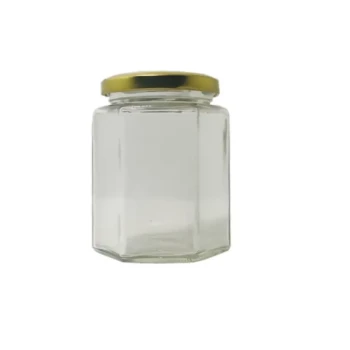
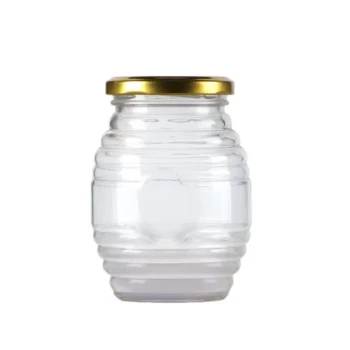
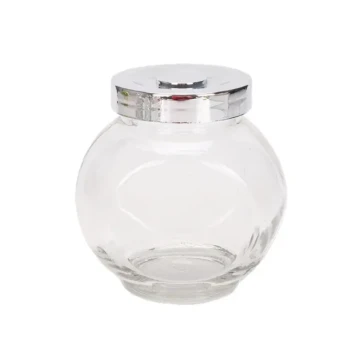
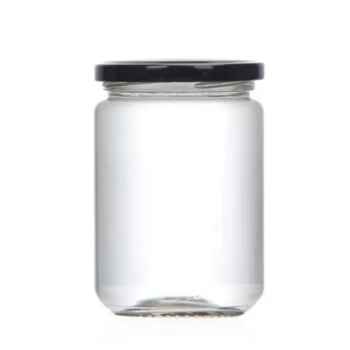
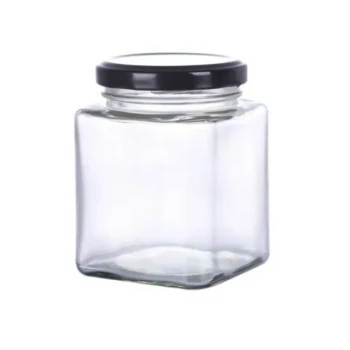
Data integrity in honey analysis begins with the collection vessel and storage environment. Using clean glass bottles is strictly necessary to prevent trace metal contamination often caused by plastic packaging, thereby preserving the honey's original mineral profile. Simultaneously, maintaining low-temperature, dark conditions prevents chemical degradation, ensuring the sample's physicochemical state remains consistent from the hive to the laboratory.
The Integrity of the Matrix Honey is a complex, reactive, and acidic substance that actively interacts with its environment. The combination of inert glass and cold, dark storage is the only reliable method to "freeze" the sample’s biological and chemical profile, preventing external contamination and internal enzymatic decay that would invalidate scientific research.
Preserving Chemical Purity and Mineral Profiles
The Trace Metal Problem
The primary scientific reason for selecting glass over plastic is the prevention of contamination. Plastic packaging is prone to leaching trace metals into the sample.
Because honey is naturally acidic, it can react with plastic containers, drawing out impurities. This alters the original mineral profile of the honey, rendering subsequent classification or geographic origin tracing inaccurate.
The Inertness of Glass
Clean, high-quality glass is chemically inert. It does not react with the weak acids found in honey.
By acting as a neutral barrier, glass ensures that no foreign substances migrate from the container into the sample. This stability preserves the purity of the honey’s physicochemical indicators.
Arresting Biological and Chemical Decay
Controlling Enzymatic Activity
Honey contains heat-sensitive enzymes, such as catalase and amylase, which are critical indicators of quality and freshness.
Room temperature environments can cause these enzymes to degrade rapidly. Storing samples at low temperatures effectively arrests this process, maintaining the biological activity required for accurate biochemical testing.
Preventing Fermentation
Honey is hygroscopic, meaning it naturally absorbs moisture from the air. If the moisture content rises, yeast naturally present in the honey can trigger fermentation.
Glass bottles offer superior sealing performance compared to many other materials. This hermetic seal blocks external moisture ingress, preventing spoilage and ensuring the sample does not ferment before analysis.
The Critical Role of Light Exclusion
Shielding Bioactive Compounds
Light is a catalyst for the degradation of many beneficial compounds in honey. Ultraviolet (UV) rays and strong light can destroy light-sensitive bioactive substances.
Storing honey in dark conditions—or utilizing amber glass—protects antioxidant phenolic compounds and flavonoids. This preservation is essential for researchers measuring the true biological activity of a specific honey variety.
Common Pitfalls to Avoid
While glass and cold storage are the gold standards, failure to execute the details can still compromise the sample.
Improper Sterilization
Glass is inert, but it is not self-cleaning. If the bottles are not thoroughly cleaned and sterilized before use, they introduce microbial contamination. This can lead to erroneous biological data regardless of the storage temperature.
Thermal Shock and Handling
Glass provides superior chemical protection but introduces physical fragility. Rapid temperature changes (thermal shock) during transport can cause breakage. Furthermore, if the seal is not perfect, the vacuum created by cooling honey can sometimes compromise the lid integrity, allowing moisture to enter.
Making the Right Choice for Your Goal
To ensure your honey samples yield valid scientific data, align your protocols with your specific analytical focus:
- If your primary focus is Mineral Profiling and Origin Tracing: Prioritize the use of high-cleanliness glass bottles to absolutely eliminate the risk of trace metal leaching from plastics.
- If your primary focus is Enzymatic and Bioactive Analysis: Prioritize a strict "cold chain" and dark storage environment to prevent the denaturing of heat-sensitive enzymes and oxidation of antioxidants.
Ultimately, the validity of your research relies on the sample remaining an exact chemical snapshot of the moment it was collected.
Summary Table:
| Factor | Recommended Practice | Why It Matters |
|---|---|---|
| Container Material | Clean, Inert Glass | Prevents trace metal leaching and chemical reactions. |
| Storage Temperature | Low Temperature (Cold Storage) | Arrests enzymatic decay and prevents yeast fermentation. |
| Light Exposure | Dark Environment / Amber Glass | Protects light-sensitive antioxidants and bioactive compounds. |
| Container Seal | Hermetic/Airtight Seal | Blocks moisture ingress to prevent spoilage and fermentation. |
Maximize Your Honey Quality with HONESTBEE
At HONESTBEE, we understand that data integrity and product purity are the cornerstones of a successful beekeeping operation. Whether you are a commercial apiary focused on research-grade honey or a distributor seeking the highest quality standards, we provide the tools to help you succeed.
Our comprehensive wholesale range includes everything from specialized hive-making and honey-filling machinery to a full spectrum of beekeeping equipment and consumables. We empower our partners with the hardware and expertise needed to maintain the biological and chemical excellence of their honey from hive to bottle.
Ready to upgrade your production and storage standards?
Contact HONESTBEE Today to explore our wholesale solutions and discover how we can add value to your business.
References
- Giuseppa Di Bella, Vincenzo Lo Turco. Discrimination of Tunisian Honey by Mineral and Trace Element Chemometrics Profiling. DOI: 10.3390/foods10040724
This article is also based on technical information from HonestBee Knowledge Base .
Related Products
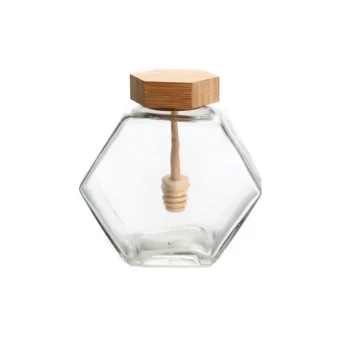
- Hexagonal Glass Honey Jars with Metal Lug Caps Elegant Versatile Packaging
- Classic Glass Honey Jar with Metal Lug Cap for Beehive Storage
- Classic Drum Shaped Glass Honey Jar with Airtight Lid
- Classic Round Glass Honey Jar with Lid
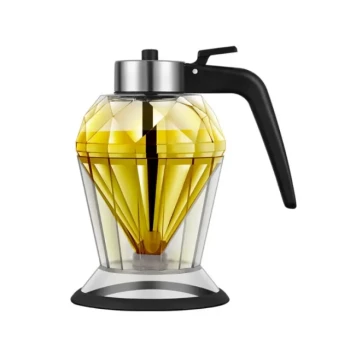
- Premium Diamond-Faceted Glass Honey Dispenser
People Also Ask
- What is the aesthetic appeal of using glass jars for honey? Elevate Your Brand with Premium Packaging
- What are the logistical challenges associated with using glass jars for honey packaging? Navigating Weight & Fragility
- What are the advantages of glass containers for honey? Elevate Quality and Market Value with Premium Packaging
- What are the technical advantages of using glass jars for honey? Master Commercial Packaging for Premium Purity
- What are the advantages of using glass jars for honey packaging? Preserve Purity & Elevate Your Brand