The necessity of professional-grade packaging stems primarily from the unique chemical composition of stingless bee honey. Unlike common honey, it possesses a significantly higher water content and distinct acidity, making it chemically volatile. Without chemically inert glass and hermetic seals, the product is highly susceptible to rapid secondary fermentation, contamination, and the degradation of its valuable medicinal compounds.
Stingless bee honey is a high-moisture, biologically active substance that behaves differently than standard honey. Professional packaging is not merely aesthetic; it is a functional requirement to halt fermentation, preserve oxygen-sensitive enzymes, and maintain the chemical stability necessary for high-value commercial markets.
Managing Volatility and Fermentation
The Risk of Secondary Fermentation
Stingless bee honey is characterized by naturally high moisture levels. This creates an environment where yeast can thrive if not managed correctly.
If the packaging allows even minimal air exchange, the honey can undergo secondary fermentation. This leads to gas buildup, souring of the flavor profile, and potential leakage or container rupture during transport.
The Role of Airtight Sealing
Strict sealing materials are essential to create a hermetic environment. This "high-integrity sealing" physically prevents the ingress of humidity and airborne contaminants.
By locking out external moisture and air, you stabilize the product. This ensures the honey remains in its intended state rather than turning into fermented mead or vinegar on the shelf.
Chemical Integrity and Material Inertness
Why Glass is the Superior Choice
Stingless bee honey is naturally acidic. This acidity requires a storage vessel that is chemically inert to prevent unwanted reactions.
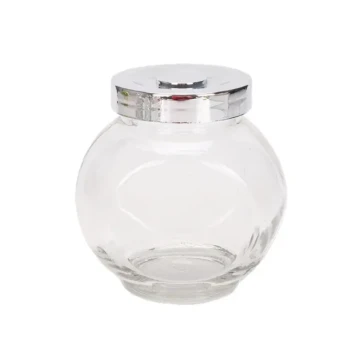
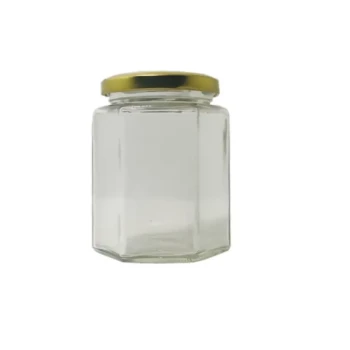
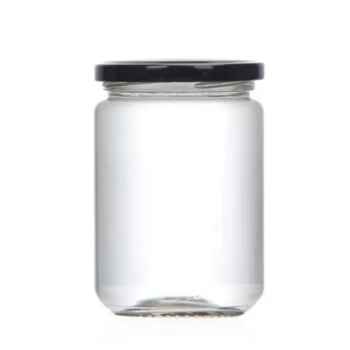
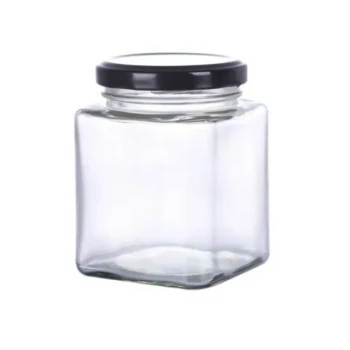
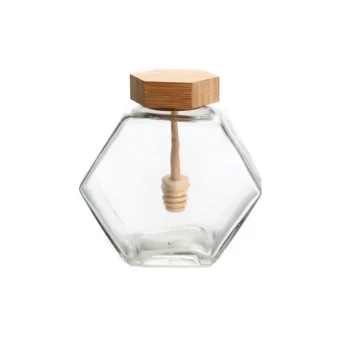
High-quality glass does not react with the acidic components of the honey. It guarantees that no harmful substances leach into the product, which is a risk with inferior materials or low-grade plastics.
Preserving Flavor Complexity
The unique flavor profile of this honey is delicate. Professional glass jars possess exceptional barrier properties against external odors.
This prevents the honey from absorbing environmental smells during storage. It ensures the consumer tastes the specific botanical origin of the honey, not the packaging material or the warehouse environment.
Protecting Bioactive Value
The Barrier Against Oxidation
Stingless bee honey is marketed as a superfood due to its flavonoids, polyphenols, and enzyme activity. These compounds are highly sensitive to oxygen.
Standardized, professional sealing limits oxygen exposure. This protects these bioactive components from oxidation, ensuring the therapeutic efficacy of the honey remains consistent throughout its shelf life.
Visual Trust and Premium Positioning
The transparency of professional glass allows for immediate visual inspection. In a market rife with counterfeits, this clarity builds consumer trust.
It signals a "pharmaceutical-grade" product. This aligns with the high-value health supplement market, justifying a premium price point that recycled or opaque containers cannot command.
Understanding the Trade-offs
Glass vs. High-Density Polymers
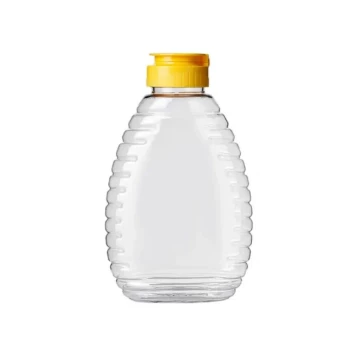
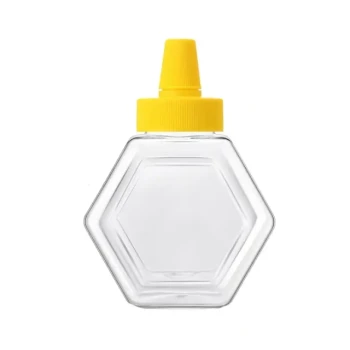
While glass is the gold standard for chemical stability and barrier properties, it increases shipping weight and fragility. High-quality food-grade plastics are sometimes used to mitigate this.
However, plastics must be strictly "food-grade" and chemically inert. If you choose plastic over glass to save on logistics, you risk a lower perceived market value and a slightly higher permeability to oxygen over long periods.
The Cost of Professionalization
Investing in professional sealing machines and high-grade jars increases upfront production costs. This requires a shift from manual, cottage-industry filling to semi-automated, precise processing.
While this raises the barrier to entry, it is the only way to meet international safety standards. Using inferior packaging is a false economy that risks total product loss due to spoilage.
Making the Right Choice for Your Goal
To select the appropriate packaging strategy, consider your specific market objectives:
- If your primary focus is the Premium Export Market: You must use high-quality glass with tamper-evident, airtight seals to maximize shelf life and justify a high price point.
- If your primary focus is Local, Quick-Turnover Sales: You may use high-density, food-grade polymer containers, provided they are chemically inert and sealed strictly to prevent leakage.
The container you choose is not just a vessel; it is the primary defense system for the unique biological activity of your product.
Summary Table:
| Feature | Professional-Grade Glass & Seals | Standard/Inferior Packaging |
|---|---|---|
| Chemical Stability | Inert; no reaction with honey acidity | Risk of leaching & chemical contamination |
| Fermentation Control | Hermetic seal prevents secondary fermentation | Air ingress leads to spoilage & gas buildup |
| Bioactive Preservation | Protects enzymes & polyphenols from oxidation | Rapid degradation of medicinal compounds |
| Aroma Barrier | Prevents absorption of external odors | May absorb plastic or environmental smells |
| Market Positioning | Premium/Pharmaceutical grade perception | Lower perceived value/Cottage industry look |
Elevate Your Honey Brand with Professional-Grade Solutions
Stingless bee honey is a high-value biological asset that demands superior protection. At HONESTBEE, we specialize in supporting commercial apiaries and distributors with the high-performance tools and materials needed to succeed in the global market.
From professional-grade glass jars and precision sealing equipment to advanced honey-filling machines and hive-making hardware, we provide a comprehensive wholesale portfolio designed to maximize your product's shelf life and premium positioning.
Ready to scale your production and protect your harvest? Contact us today to explore our wholesale equipment and consumables!
References
- Tri Nurhayati, Yeni Rosilawati. Post-Mining Community Development in South Kalimantan through Kelulut Beekeeping as Corporate Social Responsibility Actualization. DOI: 10.1051/e3sconf/202123201037
This article is also based on technical information from HonestBee Knowledge Base .
Related Products
- Classic Drum Shaped Glass Honey Jar with Airtight Lid
- Classic Glass Honey Jar with Metal Lug Cap for Beehive Storage
- Hexagonal Glass Honey Jars with Metal Lug Caps Elegant Versatile Packaging
- Classic Round Glass Honey Jar with Lid
- Classic Beehive Honey Bottle Jar with Squeeze Dispenser Lid
People Also Ask
- What is the best utensil to store honey? Preserve Purity with the Right Container
- How does the appearance of glass jar packaging affect the sales and perception of honey? Boost Your Premium Brand Value
- Why is a glass jar preferred for packaging honey? Ultimate Protection for Purity & Flavor
- What is the aesthetic appeal of using glass jars for honey? Elevate Your Brand with Premium Packaging
- What are the advantages of glass containers for honey? Elevate Quality and Market Value with Premium Packaging