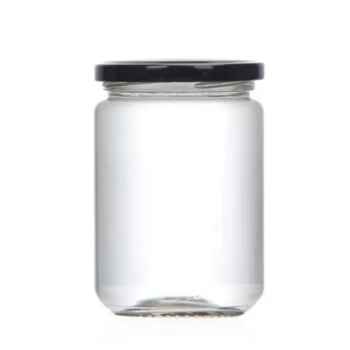
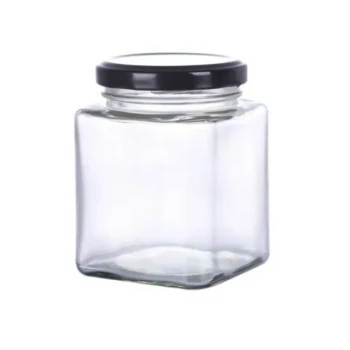
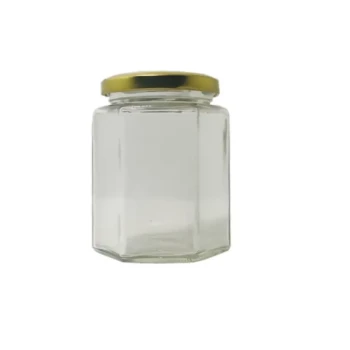
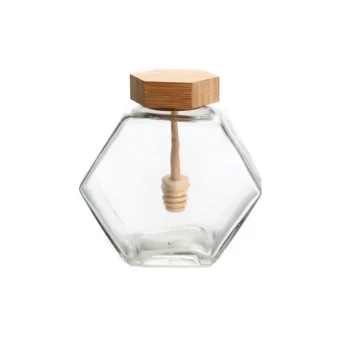
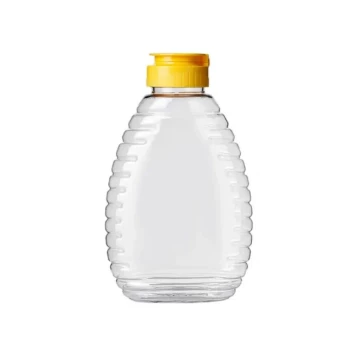
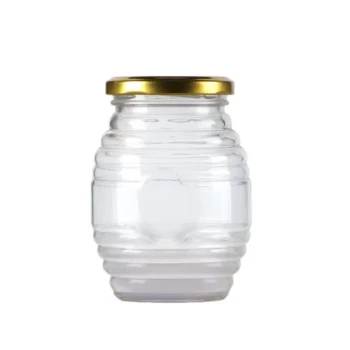
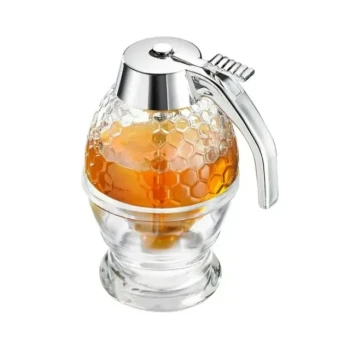
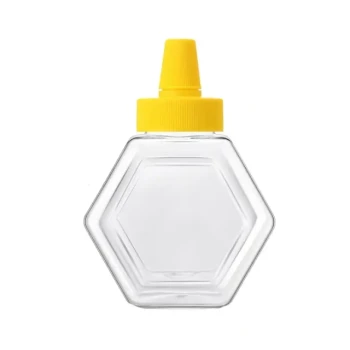
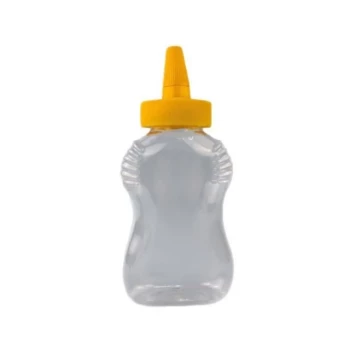
Utilizing food-grade plastic or glass containers is non-negotiable for honey storage because they effectively bridge the gap between regulatory safety compliance and long-term biological stability. These materials are specifically engineered to prevent the migration of harmful substances into the food product, creating a safe, airtight environment that protects the honey's natural purity from external contamination.
Honey is a biologically active, hygroscopic substance that reacts aggressively to its environment. Food-grade packaging acts as a chemically inert shield, preventing moisture absorption and chemical leaching that would otherwise trigger fermentation, spoilage, or toxicity.
Chemical Safety and Material Inertness
Preventing Chemical Migration
The primary reason for using food-grade materials is to block the transfer of non-food chemicals into the honey. Standard, non-food-grade plastics may contain stabilizers or plasticizers that can leach into the product over time.
Food-grade plastic and high-quality glass are manufactured to rigorous safety standards. This ensures the container remains a neutral vessel, preventing the introduction of toxins that could compromise consumer safety.
Avoiding Reactions with Acidity
Honey is naturally acidic. This acidity can cause it to react with improper packaging materials, potentially corroding the container or altering the honey's chemical composition.
Glass and food-grade plastics possess high chemical stability. They remain inert when in contact with acidic substances, ensuring that the honey's pH value and mineral content remain uncontaminated.
Moisture Control and Fermentation Prevention
Combating Hygroscopy
Honey is highly hygroscopic, meaning it naturally attracts and absorbs moisture from the surrounding air. If exposed to humidity, the water content in the honey will rise.
Food-grade containers provide the necessary barrier properties to isolate the honey from the atmosphere. High-quality sealing mechanisms are critical to maintaining this barrier throughout the distribution chain.
Stopping Secondary Fermentation
When honey absorbs excess moisture, it creates an environment conducive to yeast growth. This leads to secondary fermentation, which causes the honey to sour and spoil.
This is particularly critical for specific varieties like stingless bee honey, which already has a naturally higher moisture content. Airtight, food-grade vessels are the only way to stabilize the product and prevent rapid degradation or physical leakage.
Preservation of Bio-Activity and Sensory Profile
Protecting Enzyme Activity
Honey is valued for its specific nutritional profile and natural enzyme activity. These biological properties are fragile and can degrade if exposed to unstable environments.
Specialized packaging isolates the honey from external contaminants that could catalyze degradation. This preserves the honey’s nutritional value from the farm to the retail terminal.
Locking in Aromas and Flavor
The flavor profile of honey relies on volatile aromatic compounds. Food-grade glass and plastic offer superior barrier properties that prevent these aromas from escaping.
Simultaneously, these barriers prevent the absorption of external odors from the storage environment. This ensures the honey maintains its specific texture and original bouquet.
Common Pitfalls and Material Trade-offs
The Permeability of Low-Grade Plastics
Not all plastics provide an equal barrier. While food-grade classification ensures safety from leaching, lower-quality plastics may still allow minute gas exchange.
Over long periods, this permeability can lead to slow oxidation or moisture ingress. It is essential to select high-density plastics designed specifically for long-term food storage to mitigate this risk.
The Fragility of Glass
While glass offers the highest chemical inertness and allows for visual inspection of crystallization and color, it introduces physical risks.
Glass is heavy and prone to breakage during transportation. This necessitates more robust outer packaging and careful handling, which can complicate the logistics of commercial distribution.
Making the Right Choice for Your Goal
Whether you choose glass or plastic, the material must be strictly food-grade to ensure the safety and longevity of the product.
- If your primary focus is premium retail presentation: Choose high-quality glass, as its transparency allows consumers to visually assess color and crystallization while offering the highest chemical inertness.
- If your primary focus is logistics and transport: Choose high-density food-grade plastic, which offers durability and reduced weight while maintaining necessary barrier properties against moisture.
- If your primary focus is long-term storage stability: Prioritize the quality of the seal above all else to strictly prevent moisture ingress and fermentation.
The integrity of your packaging is the single most important factor in translating the quality of the hive to the safety of the consumer.
Summary Table:
| Feature | Food-Grade Glass | Food-Grade Plastic | Non-Food Grade Materials |
|---|---|---|---|
| Chemical Inertness | Highest (No leaching) | High (Safe for food) | Low (Risk of toxic migration) |
| Moisture Barrier | Excellent (Airtight) | Good (Density-dependent) | Poor (Gas permeable) |
| Acidity Resistance | Excellent (Non-reactive) | High (Resistant) | Low (Corrosion risk) |
| Logistics | Heavy & Fragile | Lightweight & Durable | Varies (Unsafe) |
| Best Use Case | Premium Retail Display | Bulk Transport & Export | Not Recommended |
Elevate Your Honey Quality with Professional Packaging Solutions
At HONESTBEE, we understand that the integrity of your harvest depends on the quality of your storage. As a leading supplier for commercial apiaries and distributors, we provide the full spectrum of beekeeping tools and food-safe packaging machinery designed to preserve your honey’s natural purity.
Why partner with HONESTBEE?
- Comprehensive Wholesale Offering: From hive-making to honey-filling machines, we supply everything your business needs.
- Industry-Standard Equipment: Our machinery ensures airtight seals and precise filling to prevent fermentation and spoilage.
- Commercial Expertise: We cater specifically to the needs of large-scale beekeeping operations and global distributors.
Protect your brand and ensure consumer safety today. Contact HONESTBEE for a professional consultation and explore our premium equipment and consumables tailored for your apiary's success.
References
- Eka Santi Aprilia, Fitri Yulianti. Pemberdayaan Petani Lebah Madu Desa Kutosari melalui Diversifikasi Madu. DOI: 10.57248/jilpi.v2i2.297
This article is also based on technical information from HonestBee Knowledge Base .
Related Products
- Food Grade Plastic Honey Bucket Pail for Beekeeping
- Classic Drum Shaped Glass Honey Jar with Airtight Lid
- Classic Round Glass Honey Jar with Lid
- Modern Square Glass Honey Jar with Twist Off Lid
- Hexagonal Glass Honey Jars with Metal Lug Caps Elegant Versatile Packaging
People Also Ask
- What key operational precautions should be taken when using honey buckets and extractors fitted with bottom drain taps?
- What functions do food-grade honey buckets perform? Safeguard Your Harvest and Optimize Apiary Logistics
- Why are food-grade plastic buckets preferred for honey? Protect Quality with Modern Honey Collection Tools
- What is the significance of food-grade plastic honey collection buckets? Boost Quality in Forest Honey Logistics
- What is a honey pail? The Essential Container for Protecting Your Honey's Value